And sometimes I take pictures of it.
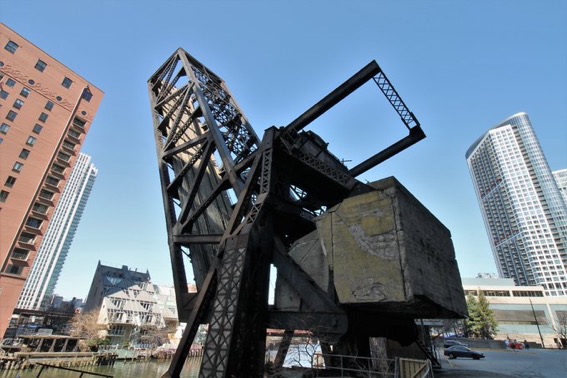
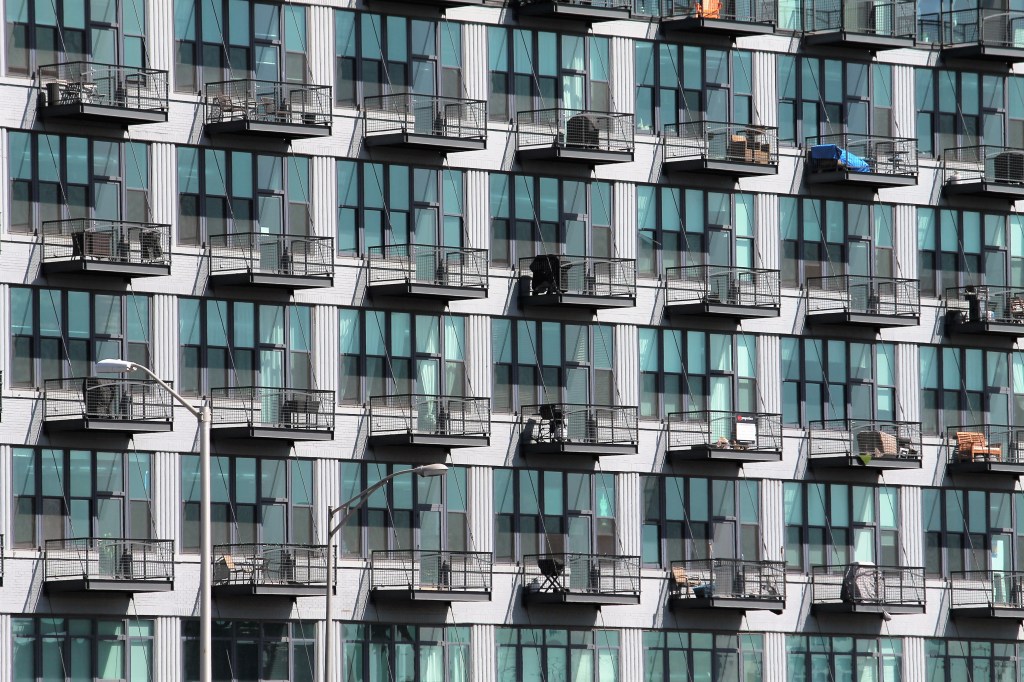
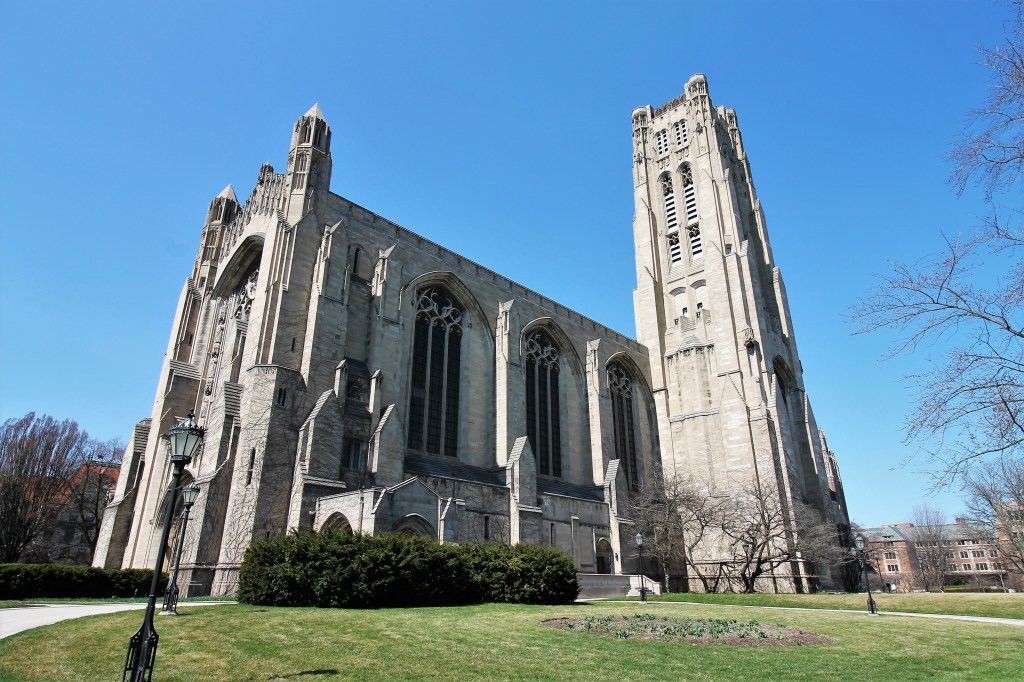
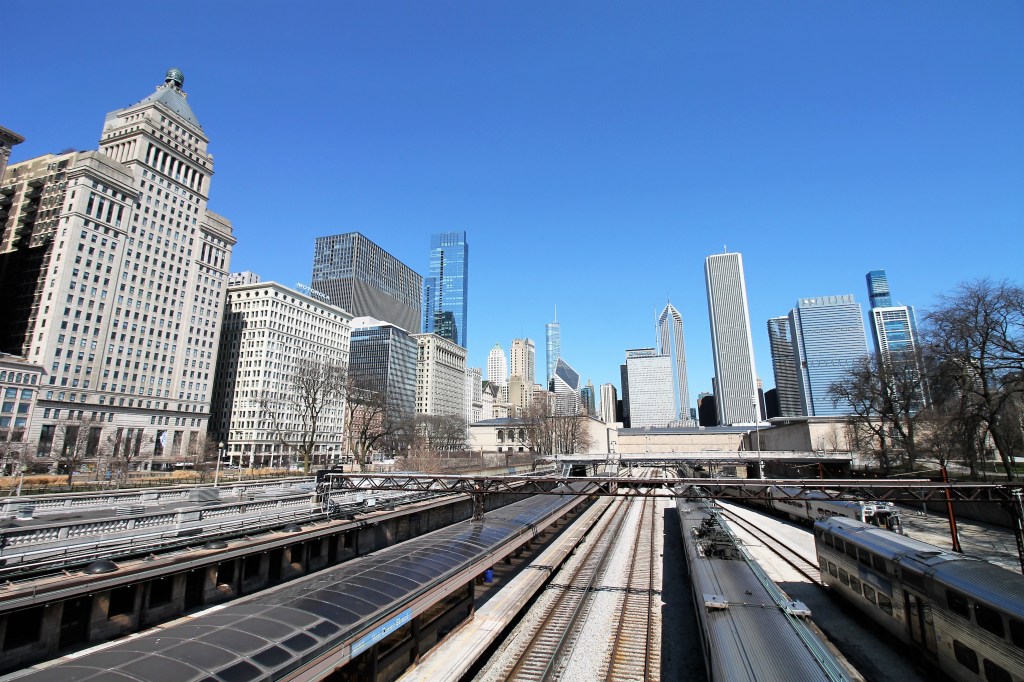
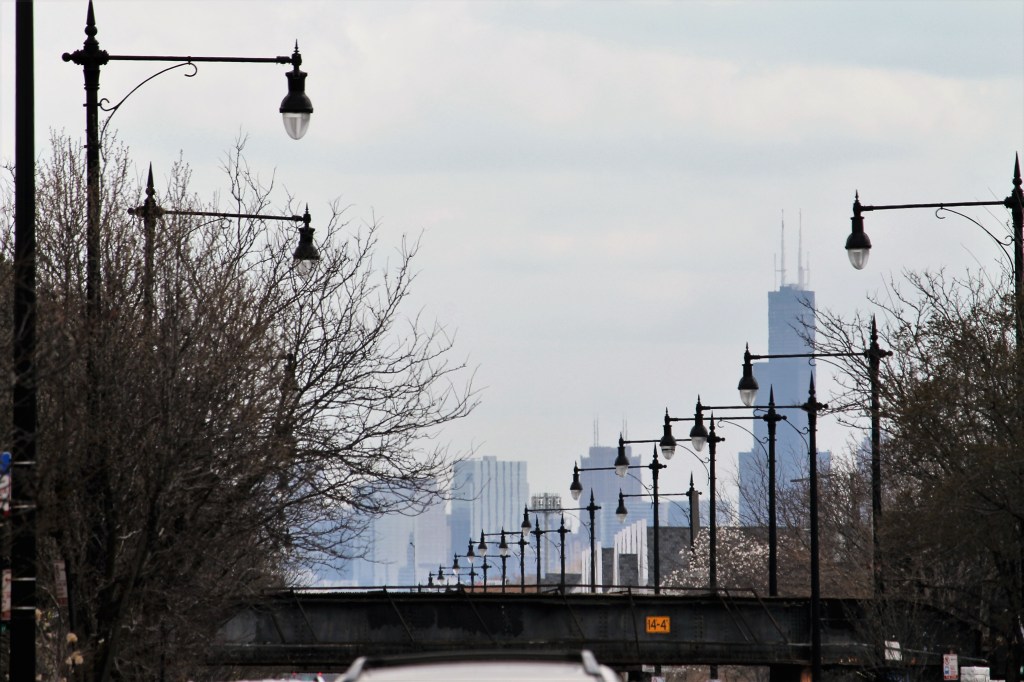
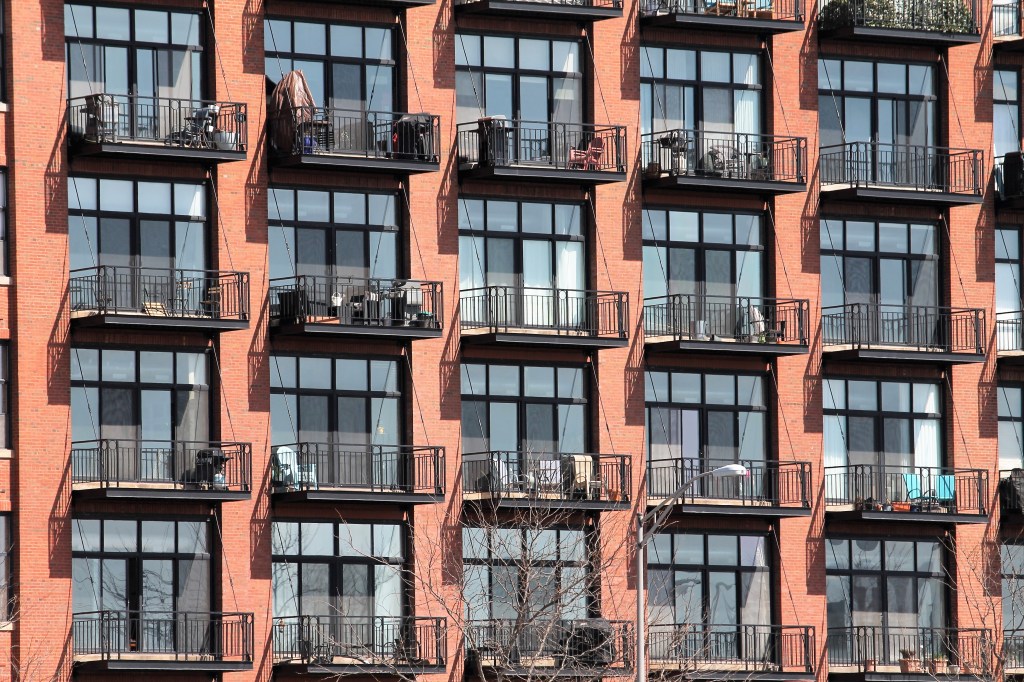
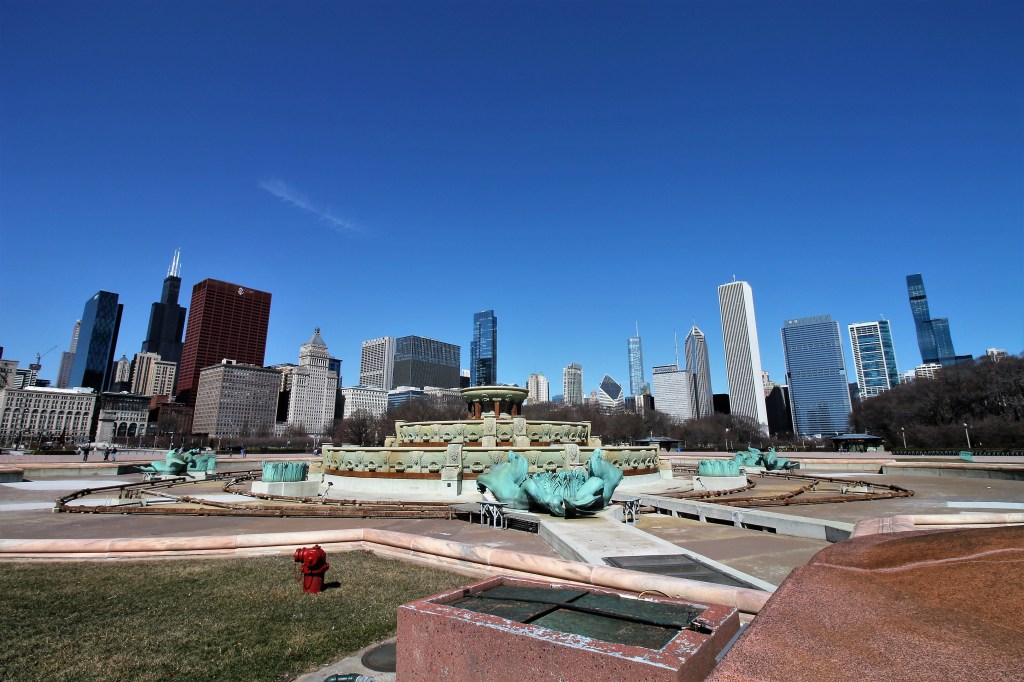
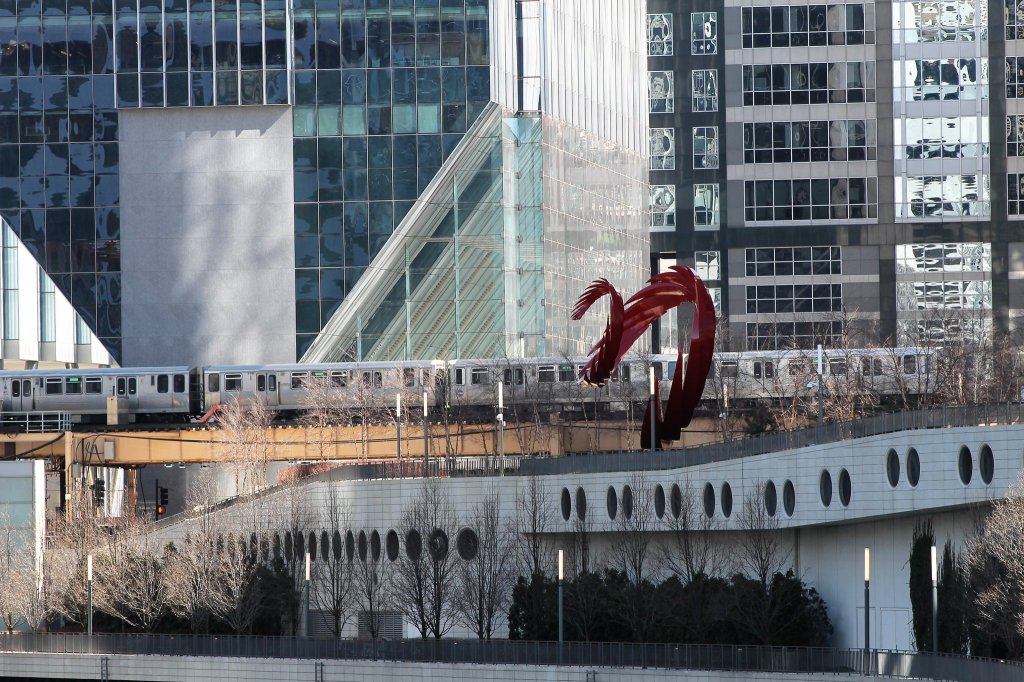
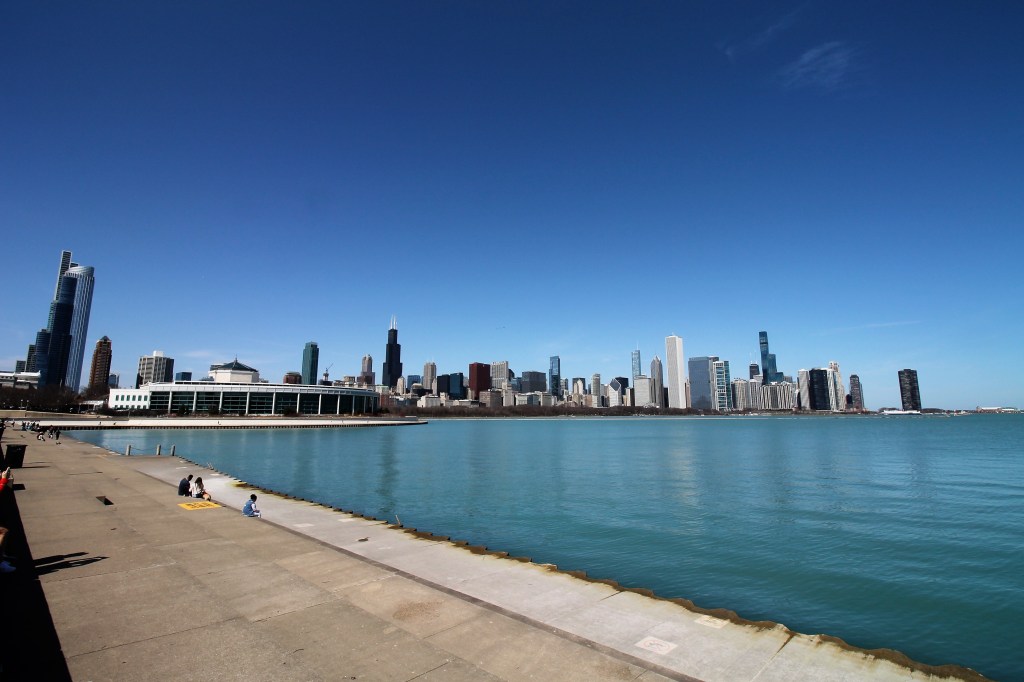
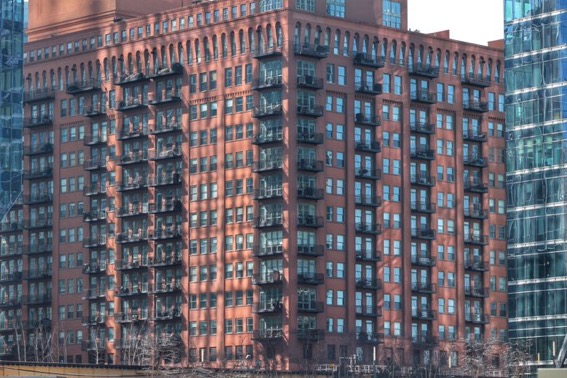
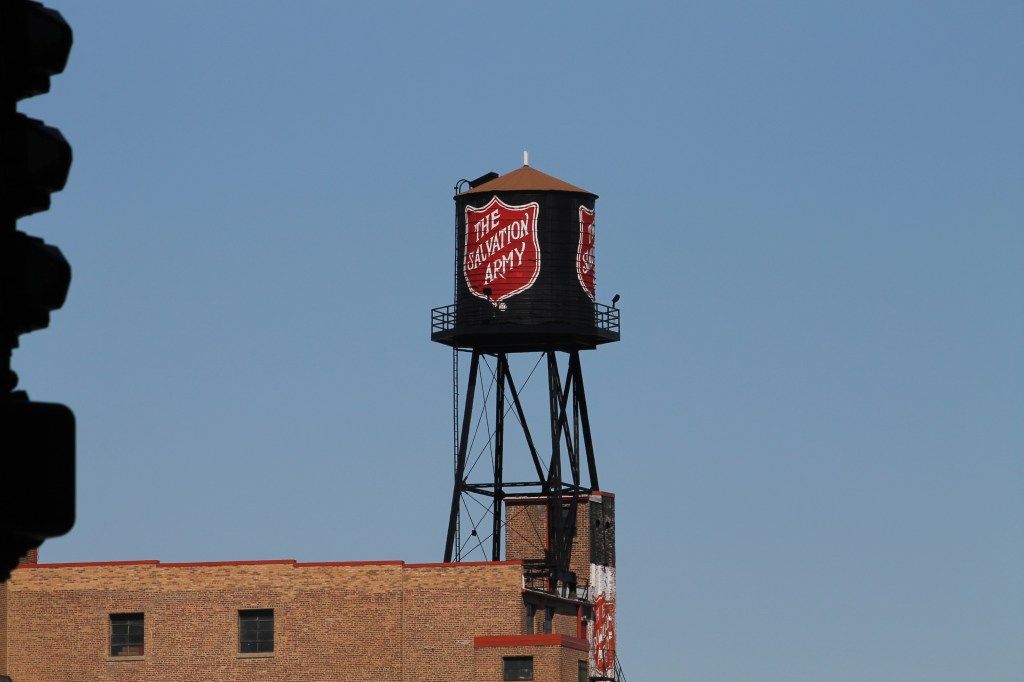
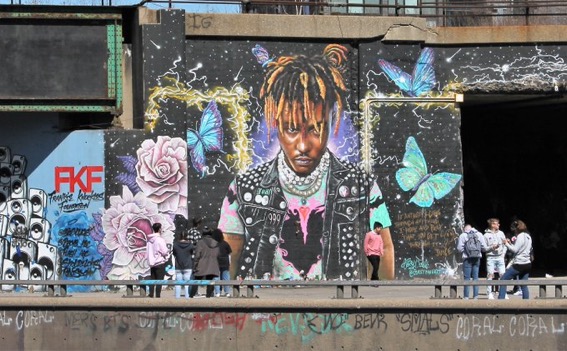
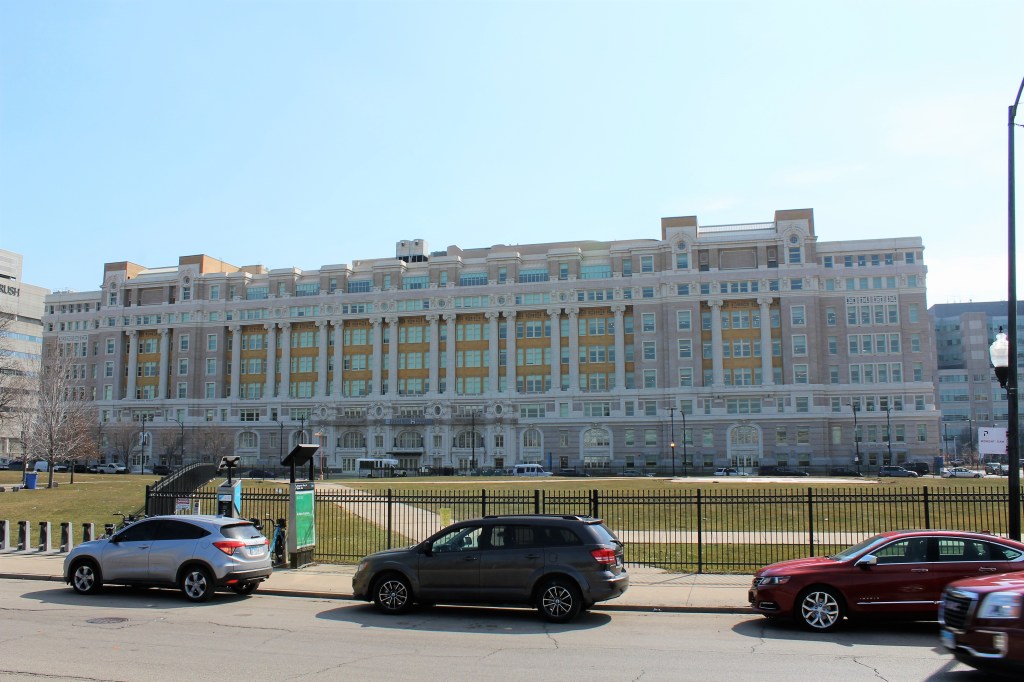
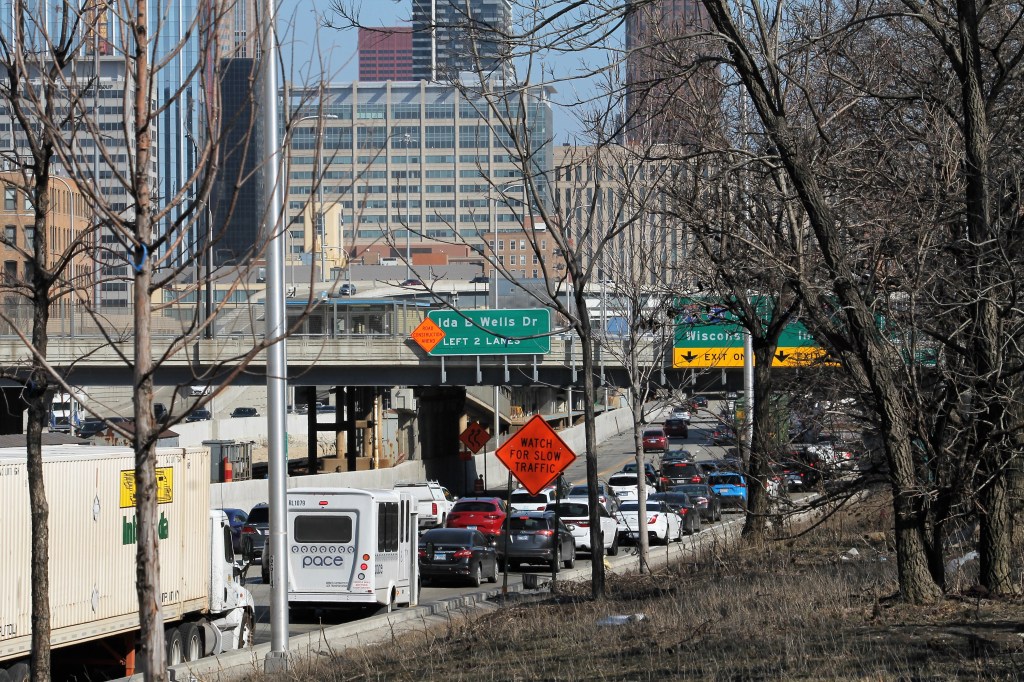
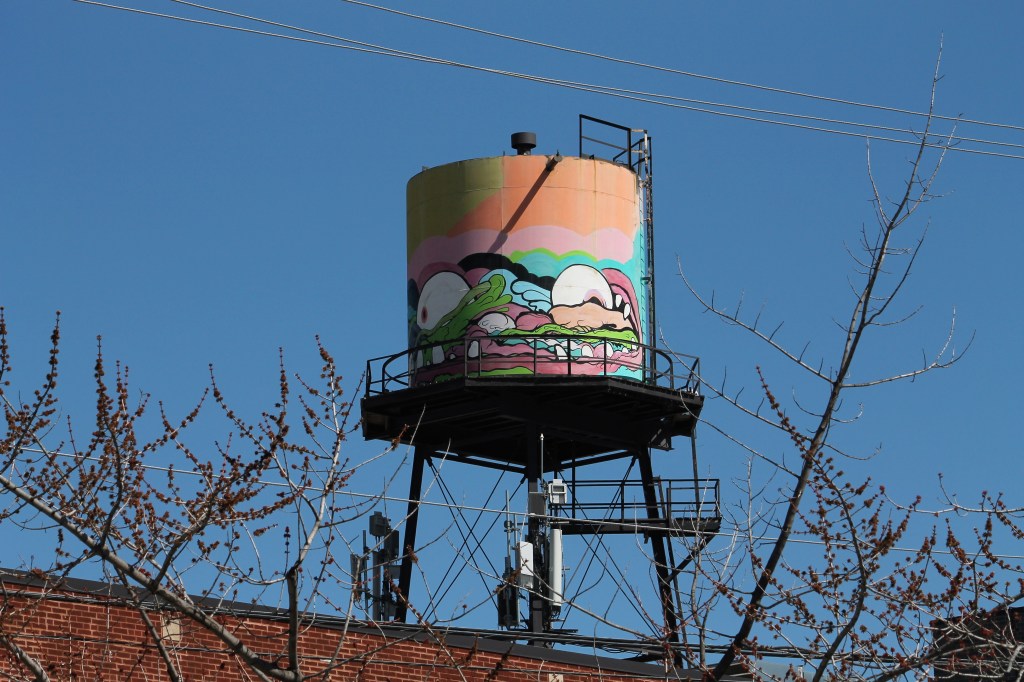
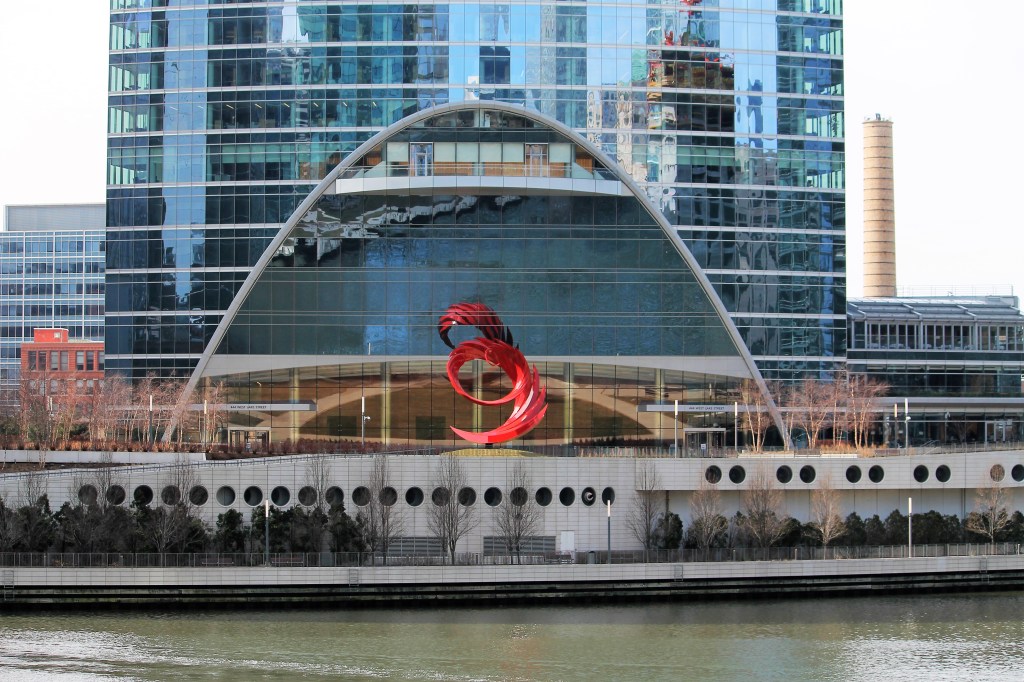
If you’re getting bored with tower cranes and concrete cores, here are a few random shots from around Chicago in March 2021.


And sometimes I take pictures of it.
If you’re getting bored with tower cranes and concrete cores, here are a few random shots from around Chicago in March 2021.


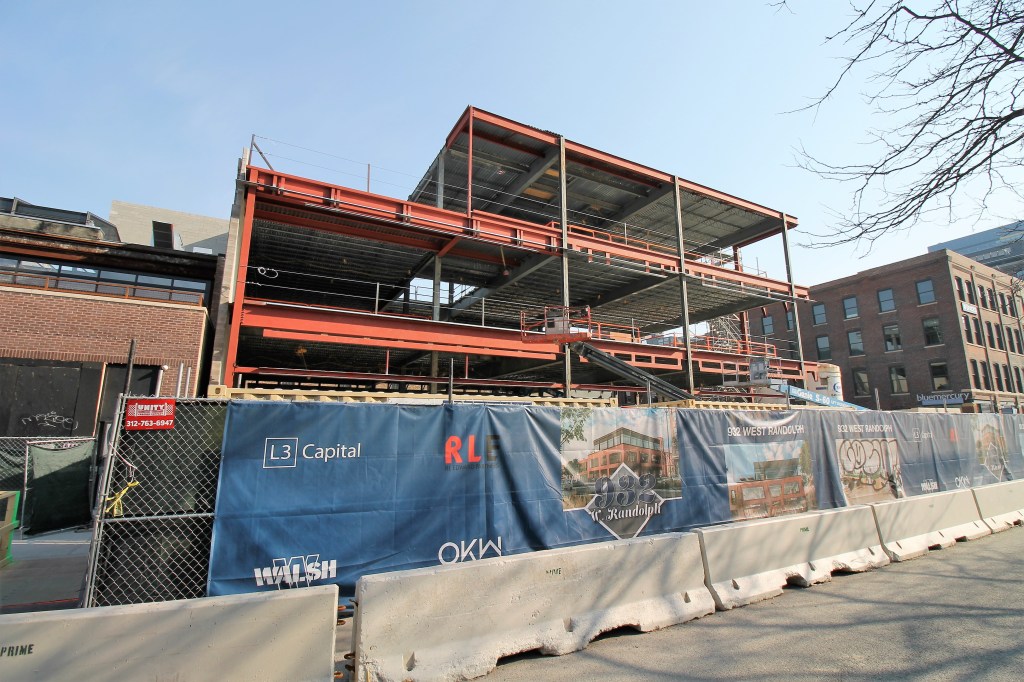
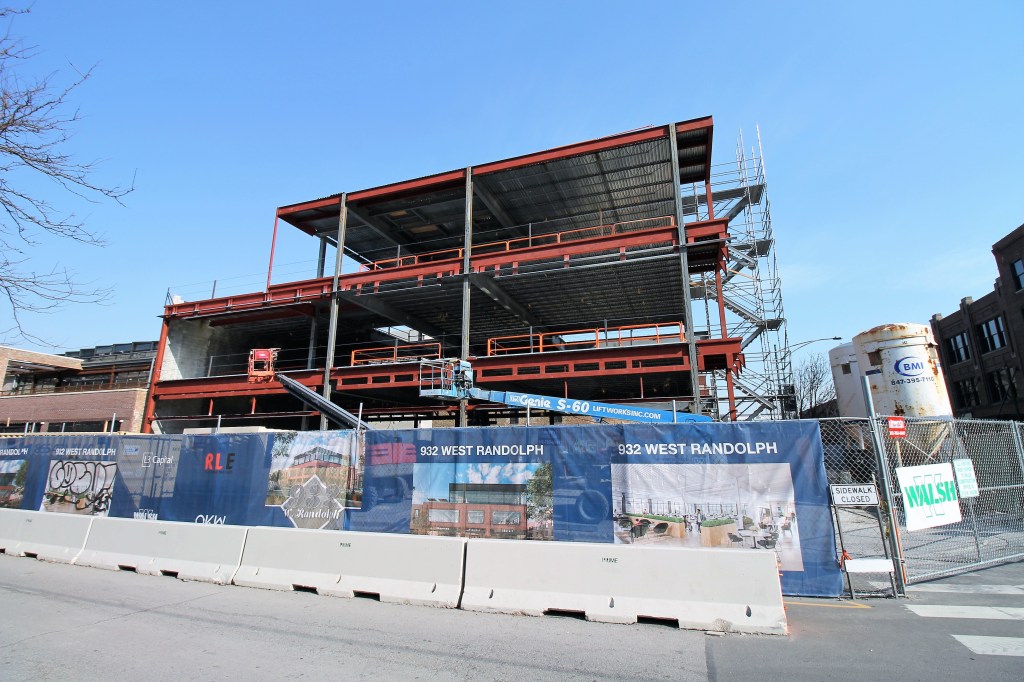
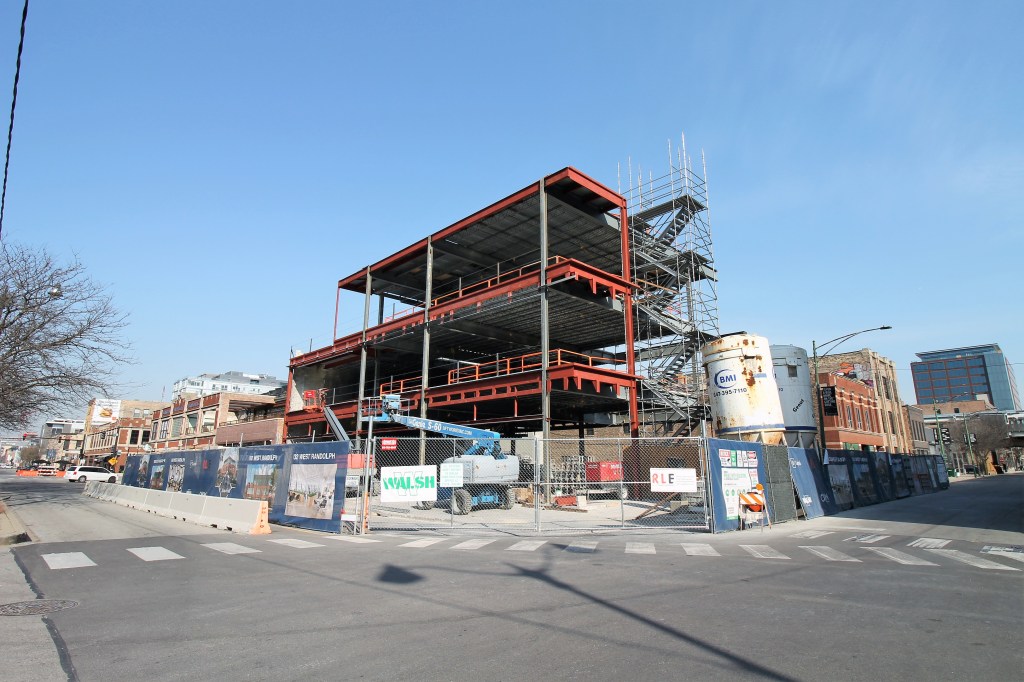
“Modest” doesn’t describe much as far as development goes in the West Loop/Futon Market arena. But this one applies.
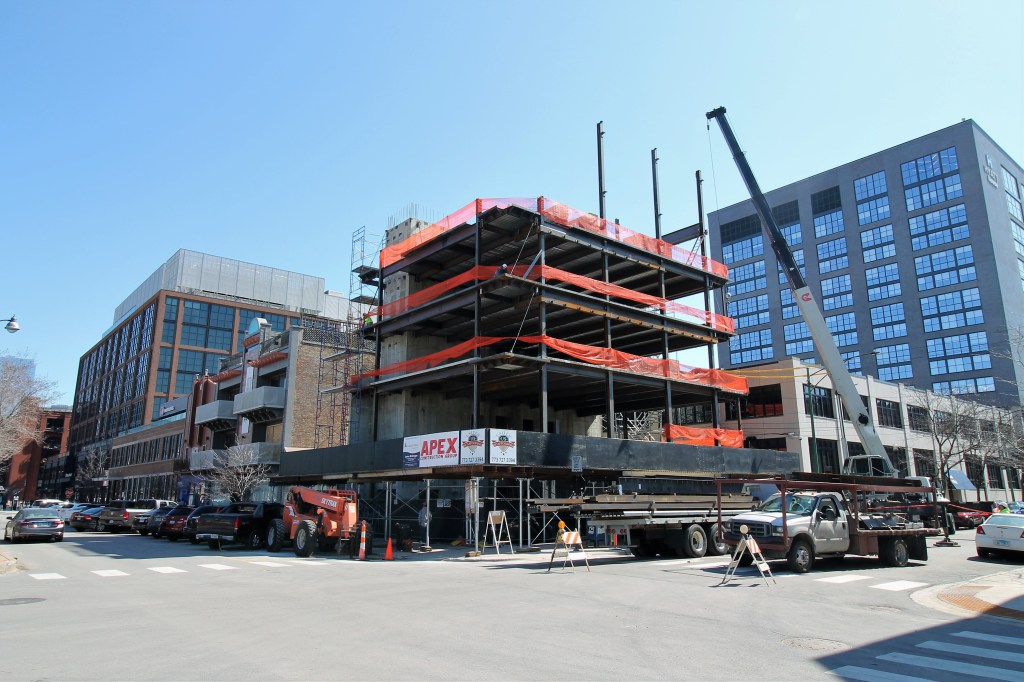
932 West Randolph is a modest mixed-use building going up on the corner of Randolph and Sangamon, replacing a modest MB Bank building. L3 Capital is the developer. Here’s what they have to say:
L3 Capital purchased the former MB Bank in October 2019 and immediately began the design and development process to replace the existing 13,351 square foot bank and adjacent parking lot with a 35,000 square foot mixed-use building with 10,000 square feet of prime retail space below two floors of boutique office. The brick and steel building, designed specifically to pay homage to the Fulton Market neighborhood’s industrial roots, will reuse the structural elements of the existing three-story bank to both reduce costs and construction waste. Construction is underway and the Property will be delivered in Q4 2021.
OKW Architects did the design. Walsh Construction is on the build.
Here’s a modest gallery of construction photos:

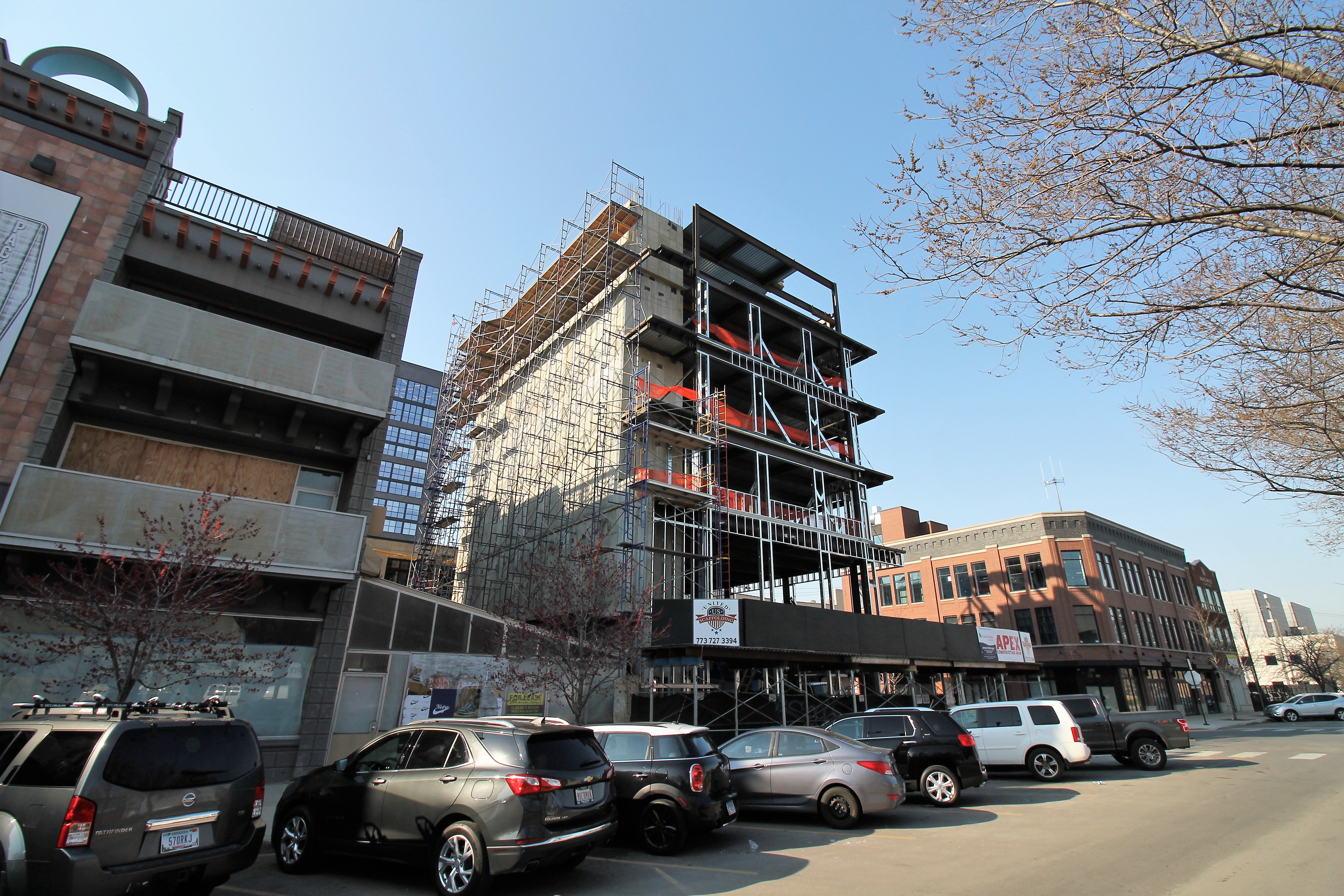
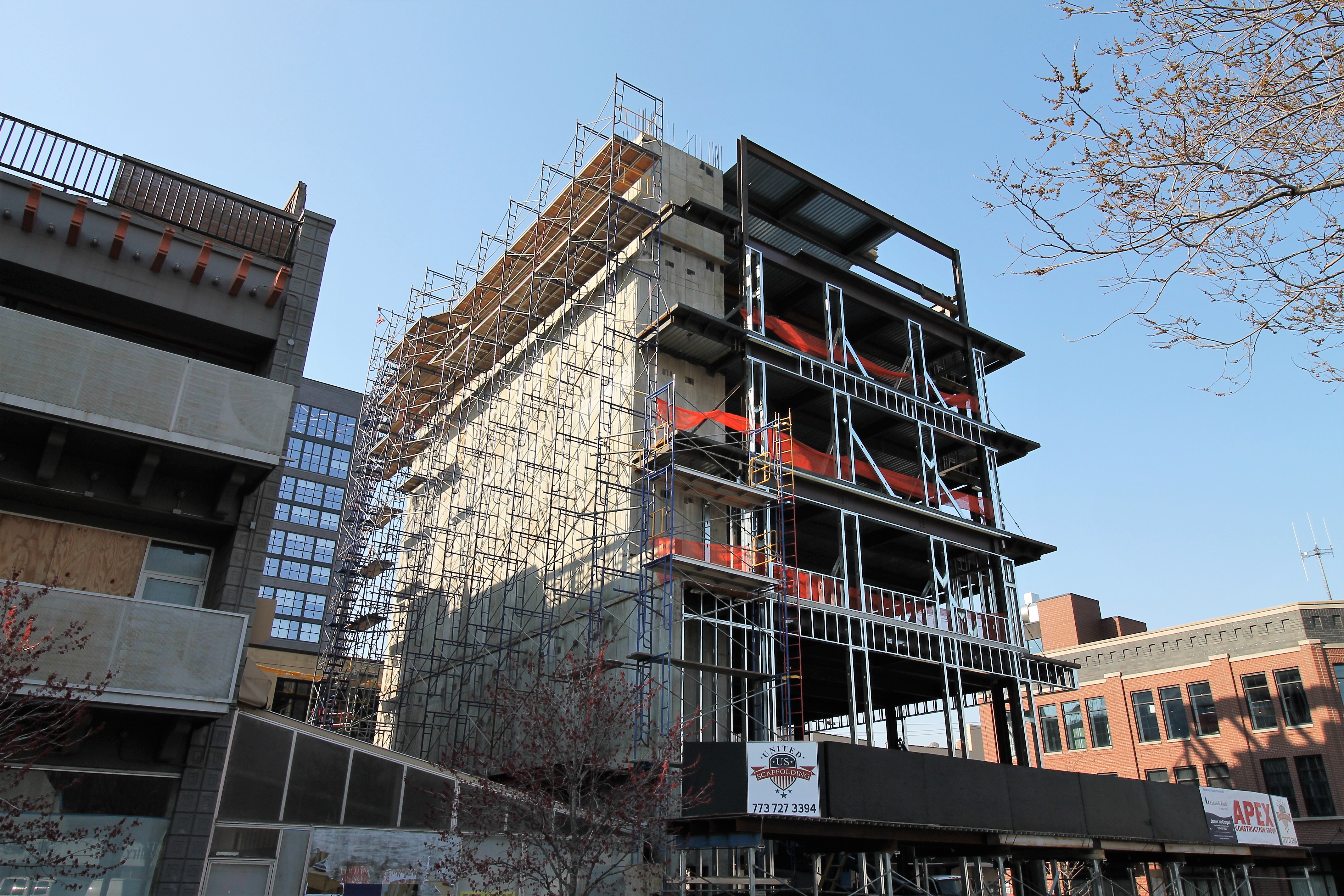
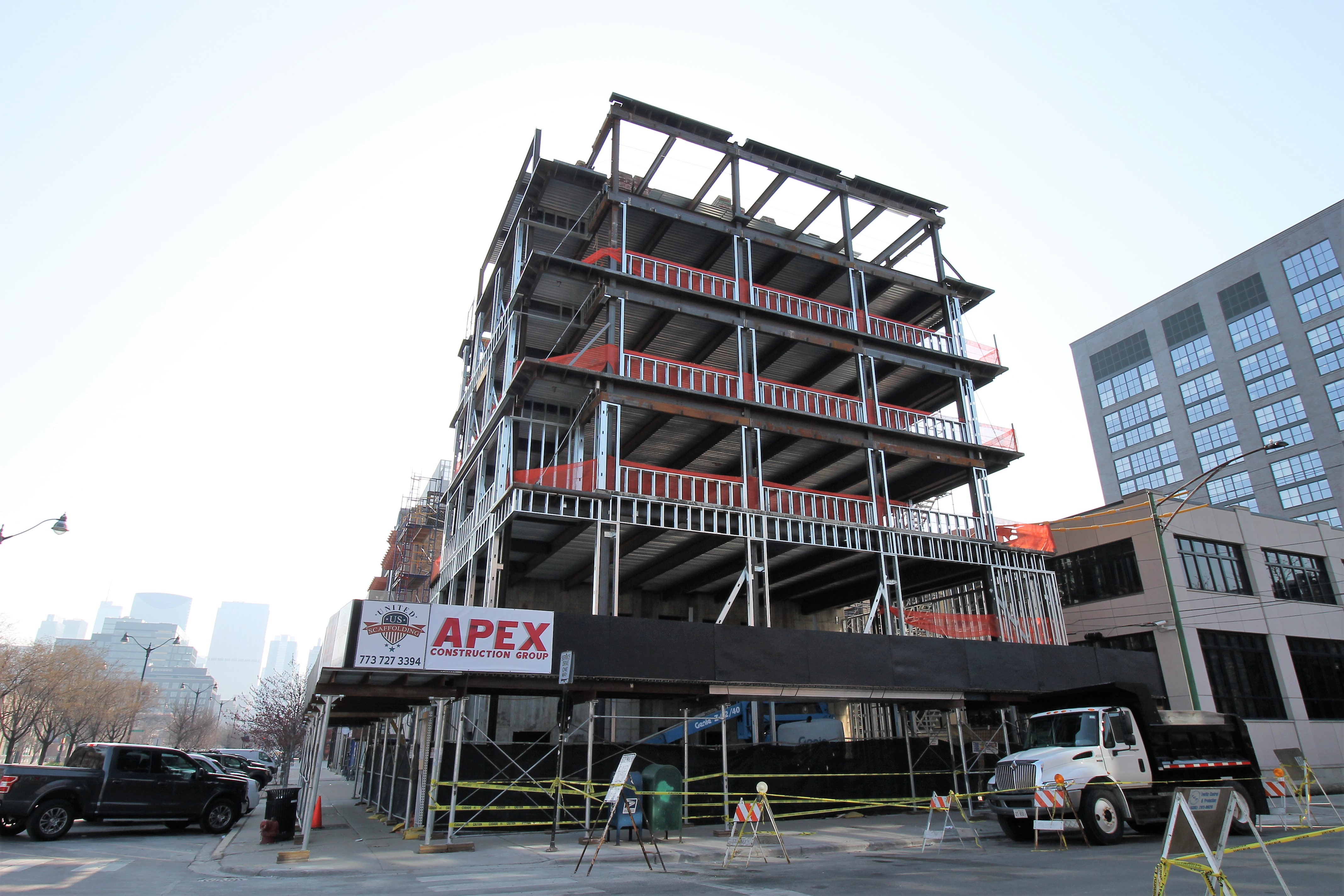
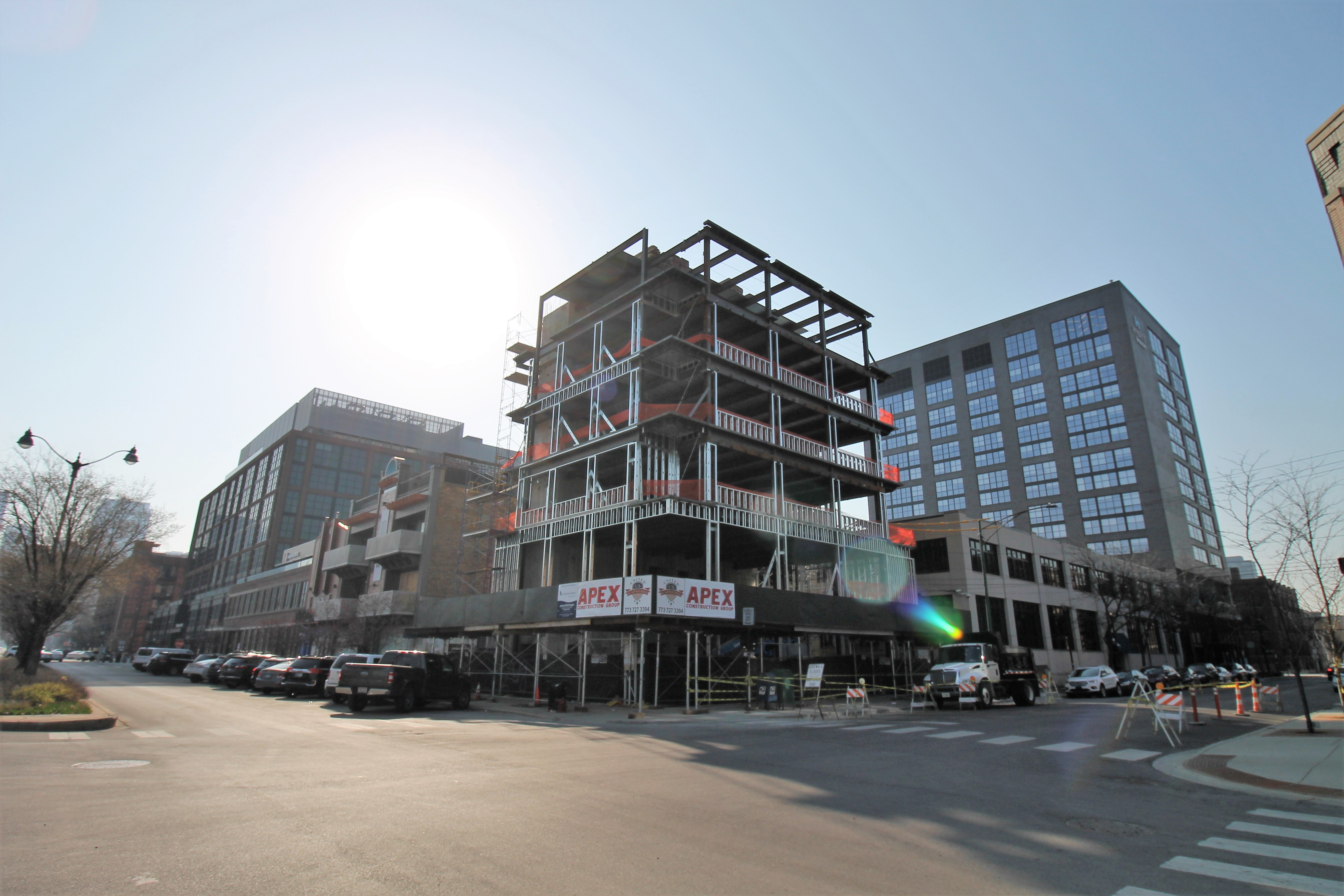
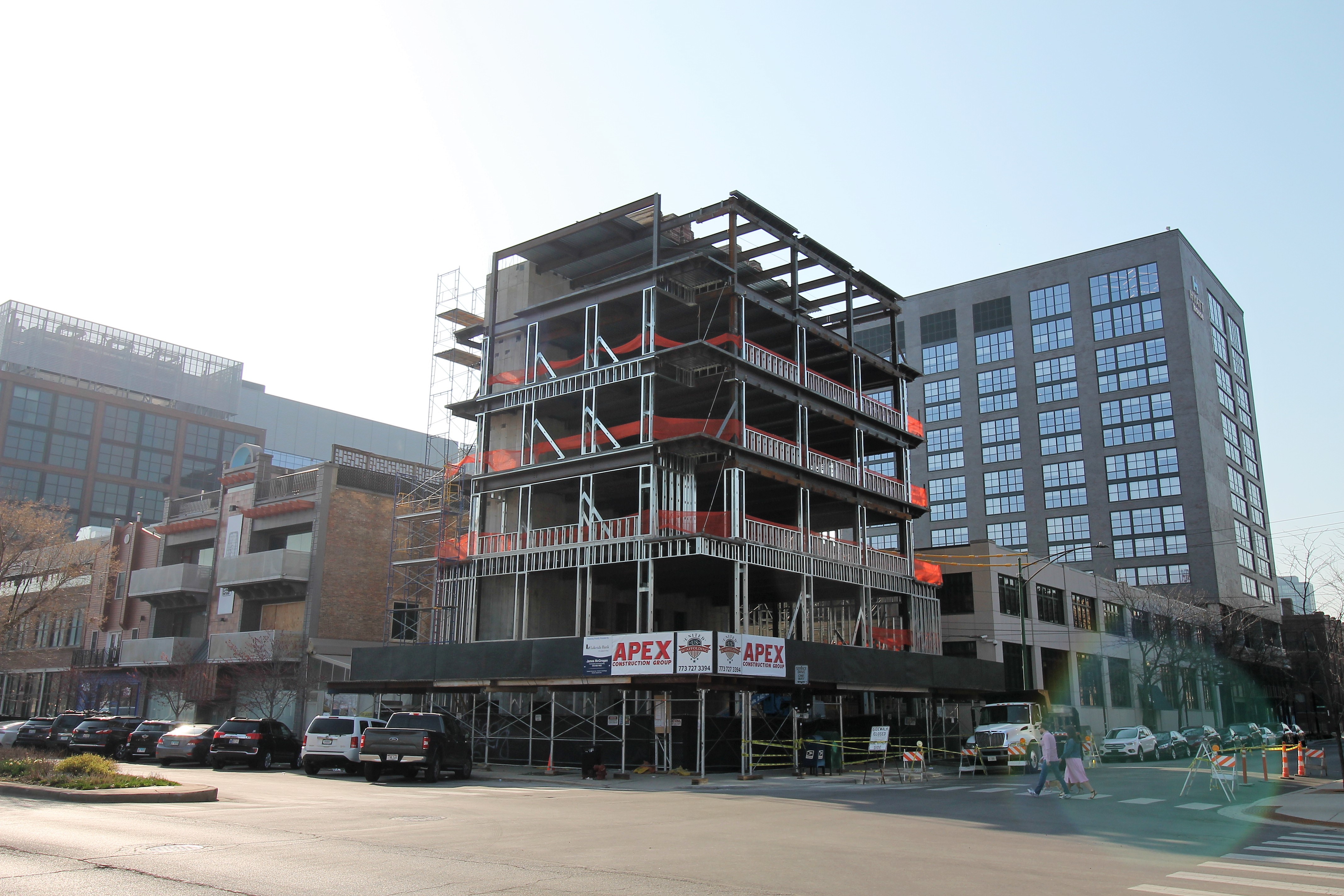
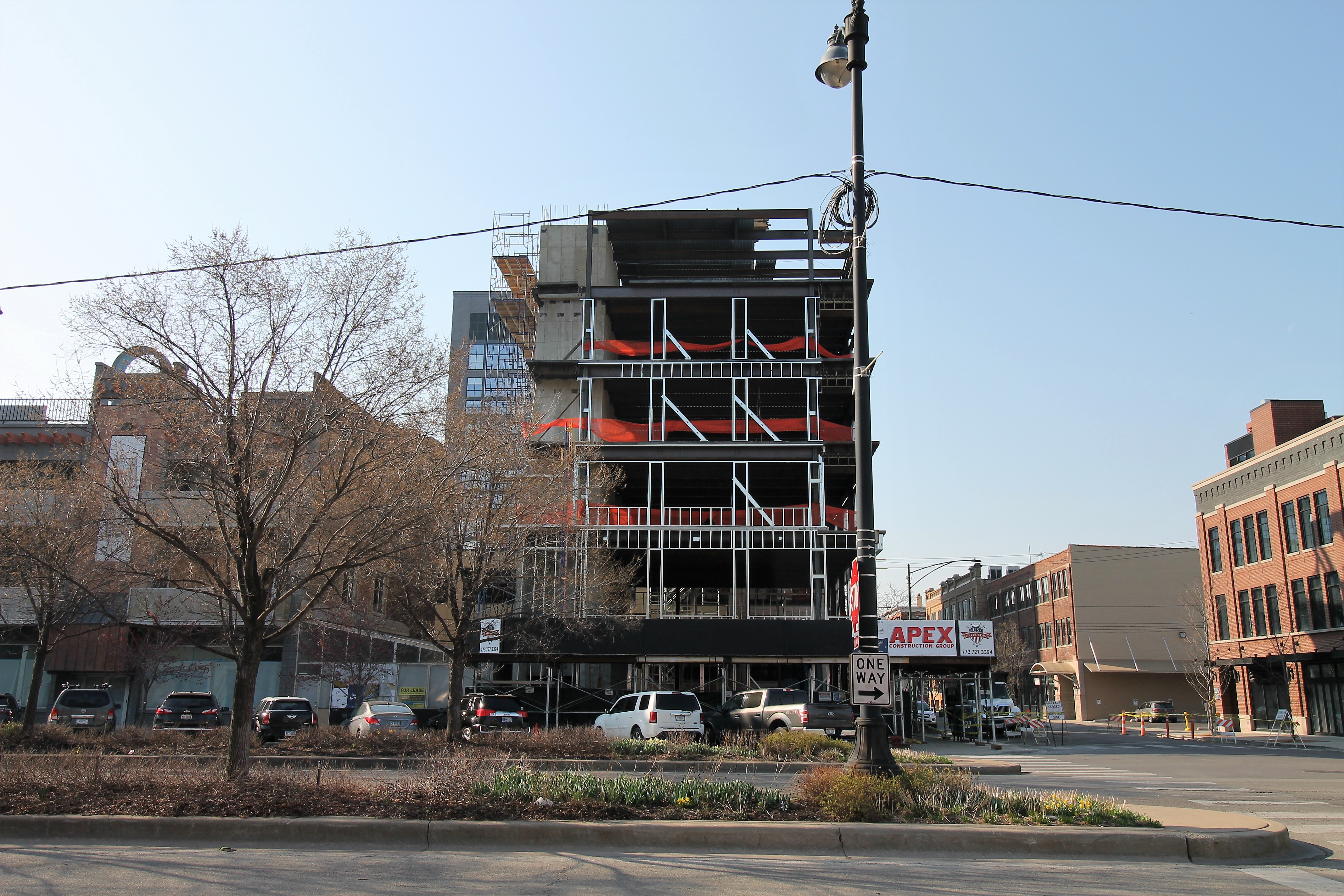
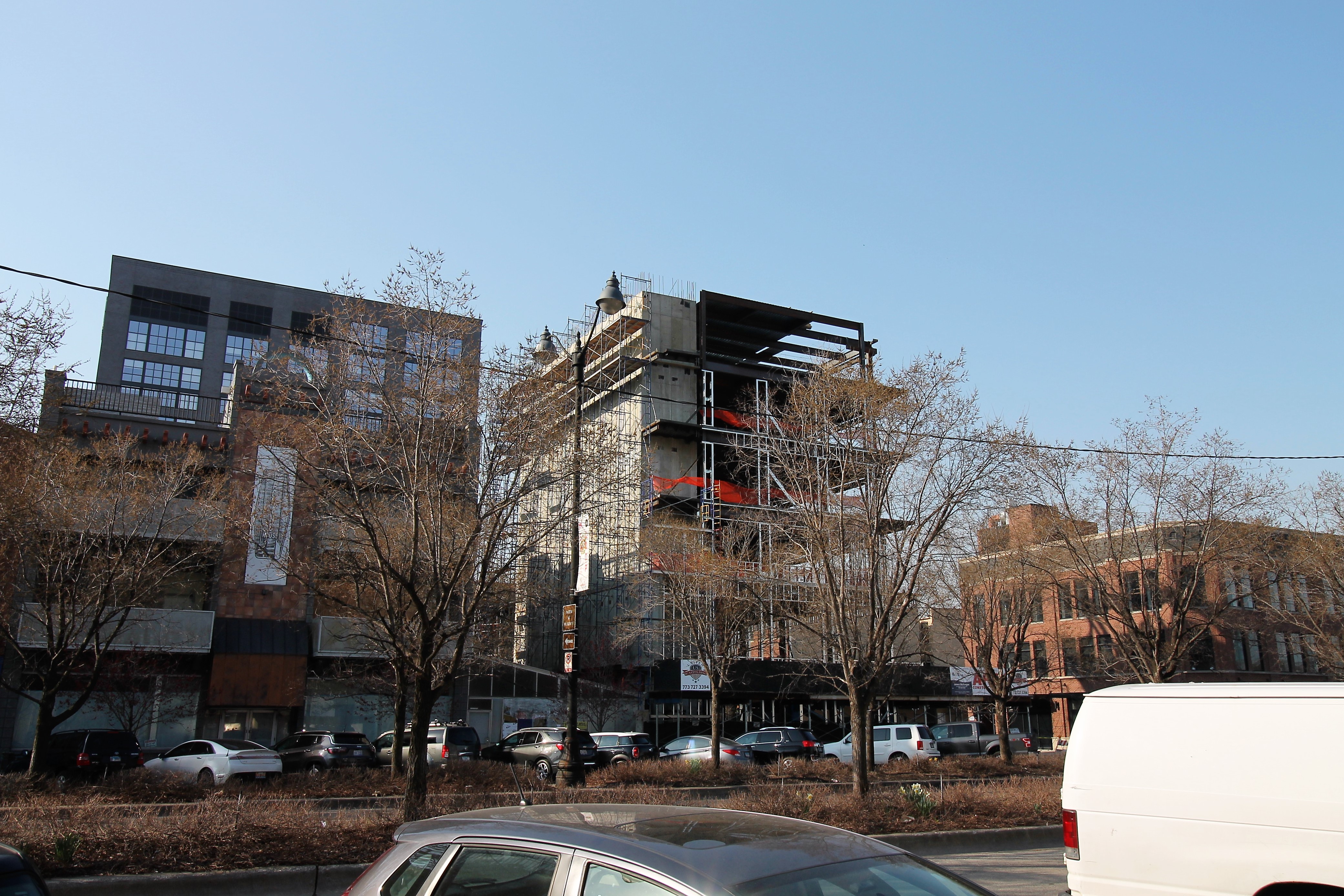
1123 West Randolph has reached about as high as a six-story building can reach.
A somewhat vague permit was issued in January of 2020, calling for a six-story building with retail on the lower two floors and residential units on the third through sixth floors. No number of units is indicated.
Apex Construction Group is the GC. Their website calls for nine units, with HKS, Inc the architect of record, and Heart of America the developer.
Chicago YIMBY visited the site in October of last year. They name Interra Realty as the developer, which is in line with the name (Jon Morgan) on the permit.
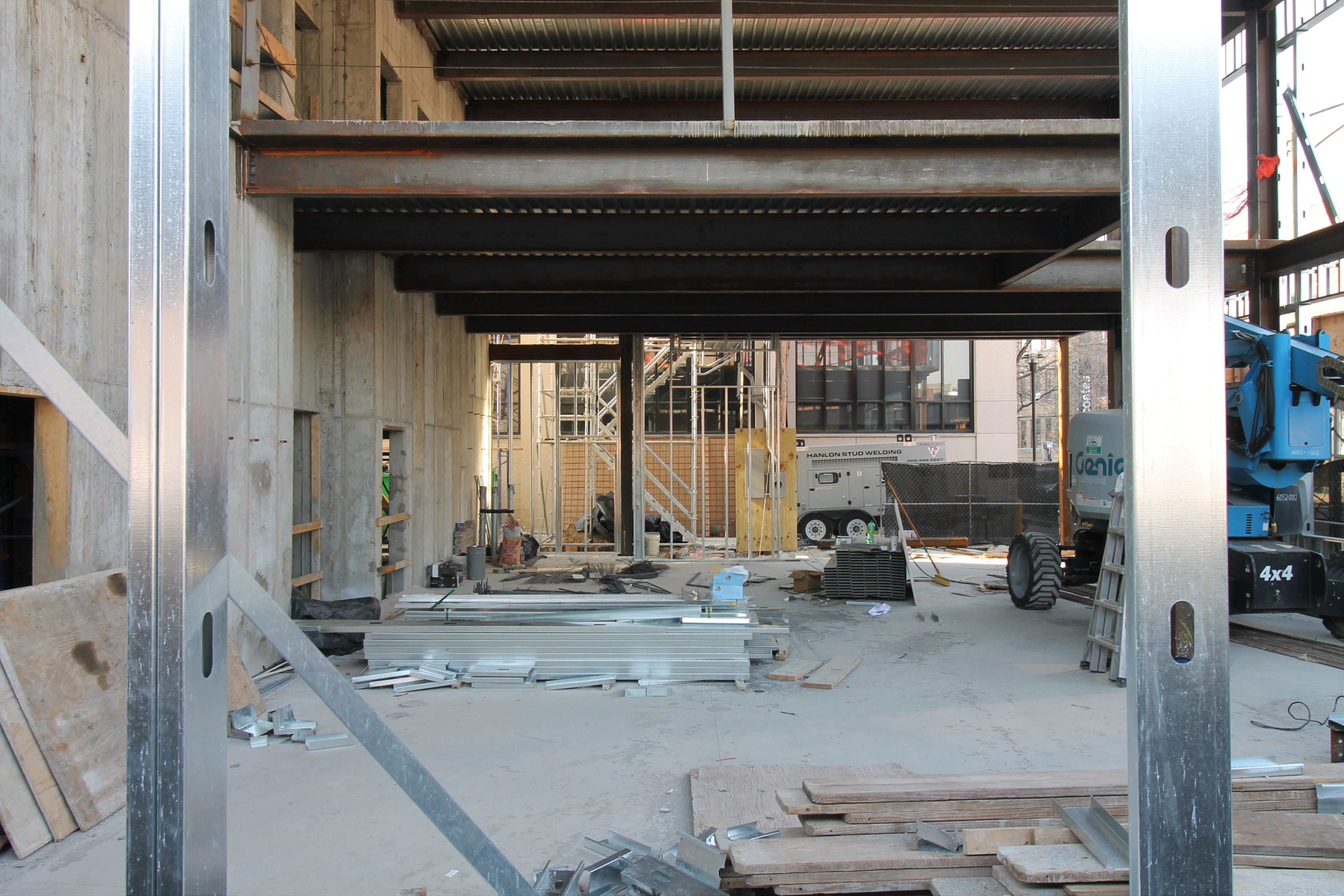
I got some photos for ya:
For decades, Chicago has haphazardly torn down the very architecture that made it famous throughout the world. It’s time to bring that history back.
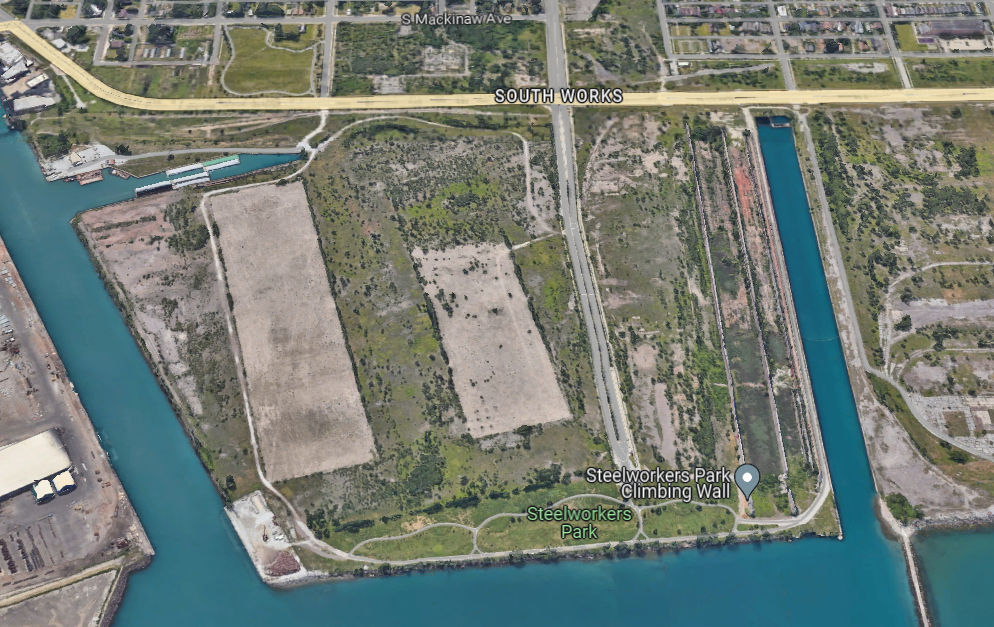
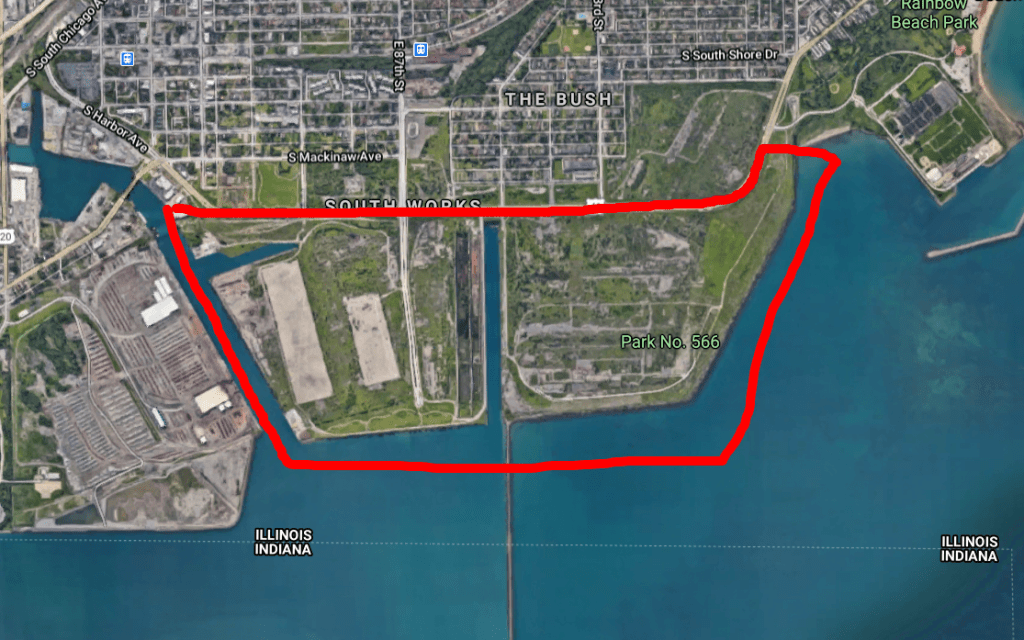
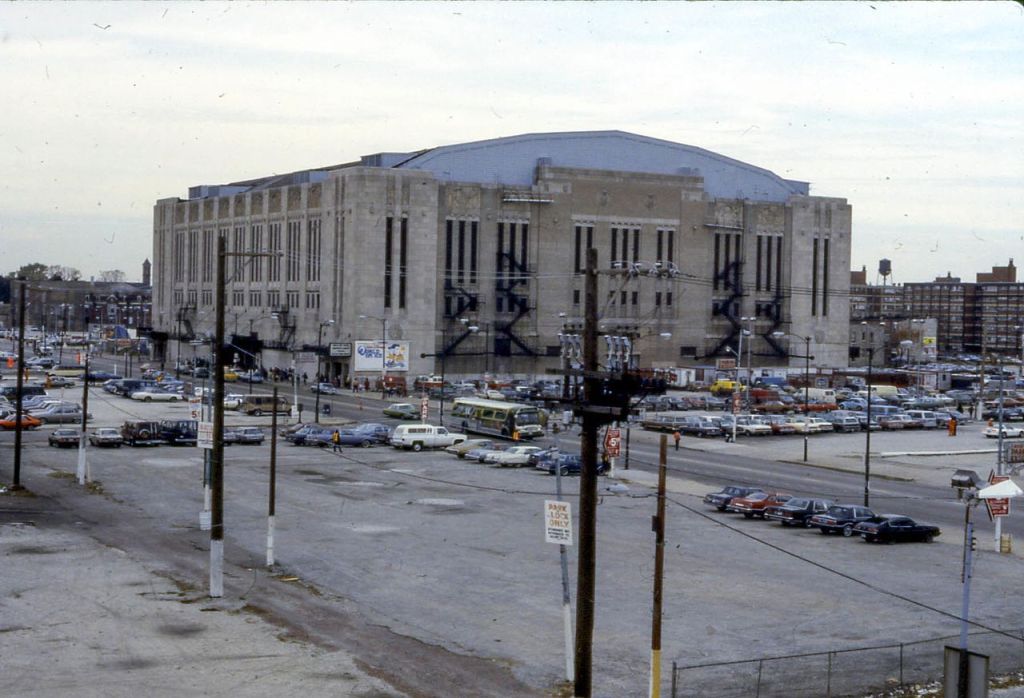
The 600-acre US Steel South Works site, once earmarked for a sprawling mixed-use development on Chicago’s South East side, will now be turned into the city’s official 79th Community Area, “New Old Chicago.”

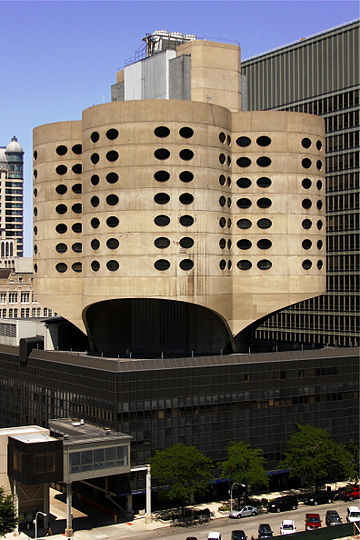
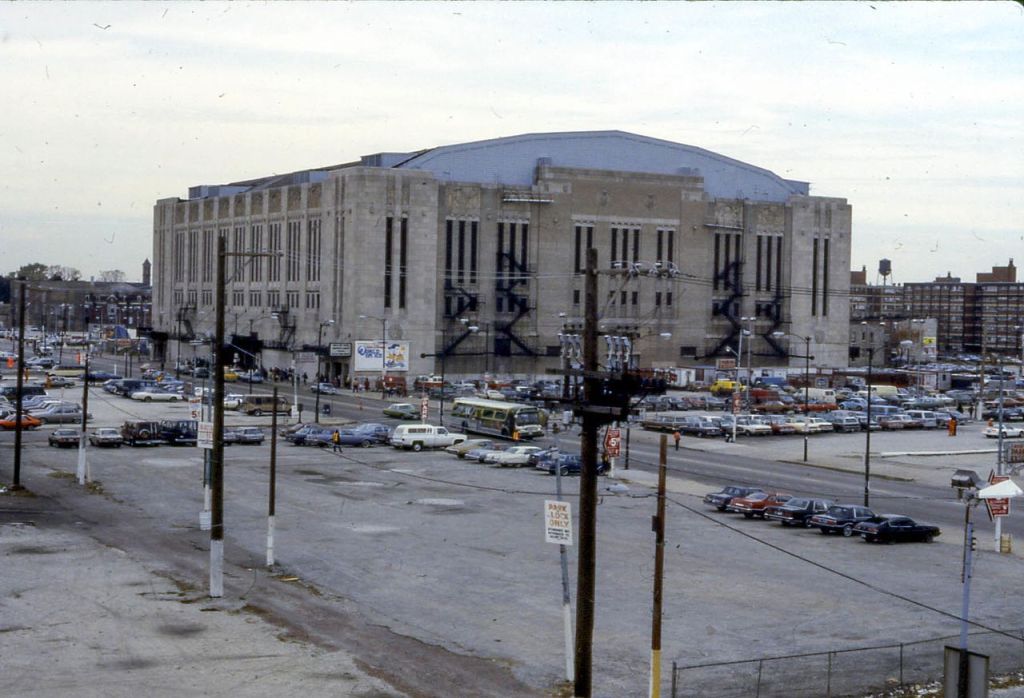
The city’s Bureau of Overdevelopment & Parking formally approved plans to rebuild much of Chicago’s demolished history on the site. Replicas of Prentice Women’s Hospital, Comiskey Park, plus countless workers cottages and classic places of worship are just a few of the structures expected to be rebuilt once work begins this fall.
Several city officials, all of whom spoke on condition of anonymity for fear of anyone finding out they voted in favor of this, stated the development will be an important restoration of Chicago’s history that, while abhorrently expensive and time-consuming, will provide several thousands of temporary jobs in the region, while re-creating a sense of nostalgia and civic pride that disappeared when the 1986 Bears didn’t win a second consecutive Super Bowl.
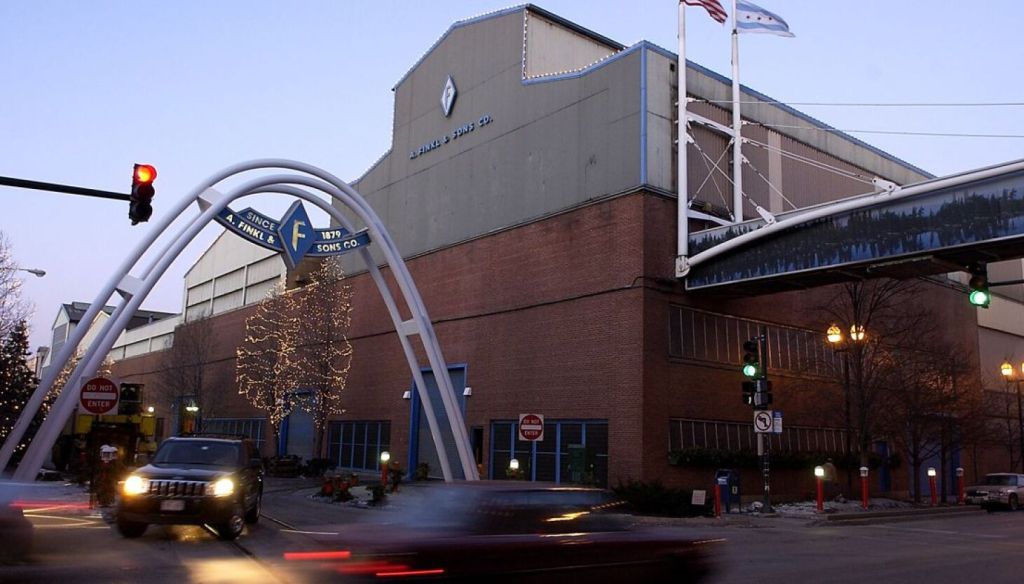
When asked if the rebuilt pieces of the city’s past will be used for their original purposes (Will Prentice Hospital be a medical facility? Will Chicago Stadium host basketball and hockey games?) each official ended our call and stopped responding to messages.

The entire development is expected to take several decades, with completion anticipated in 3Q 2052, though no ribbon-cutting ceremony had been scheduled as we went to press. A cost analysis estimates construction costs to reach $20-30 billion, though officials, again speaking on the condition of anonymity, acknowledged it has been very difficult to reach a consensus on cost figures, while also admitting any cost-overrun could send overall expenses soaring into the trillions of dollars.
One city official, speaking strictly off the record, suggested community meetings would be held throughout the development process to allow public input as to what other historic Chicago edifices could be added to the project. However, said official acknowledged on the condition of anonymity, this process would likely delay the completion date, while piling on billions of dollars worth of additional costs.

Surprisingly, most residents in the area greeted the project’s approval with excitement. One potential new neighbor, speaking on the condition of anonymity, said “it doesn’t seem too dense at all.” While another lauded the plan for blocking her view of “all that stupid blue water, which is really just wasted, unused, potential development space and I’m tired of looking at it” though she admitted more height would be nice. Another resident, who says his family has owned a home nearby for more than a century, said he hoped the residential aspects of the project would attract lots of new neighbors “who are just looking to rent here.”

Unconfirmed reports of the city’s intention to involve other cities as a way of off-setting costs (Houston is rumored to have interest in building a new Astrodome here) remain unconfirmed. Negotiations are ongoing.

Several officials, speaking on the condition of anonymity, anticipate groundbreaking to happen at an undisclosed location on an undisclosed date and time later this year, while refusing to acknowledge whether any of them would attend in person. Representatives of their representatives could not be reached for comment.
Building Up New Old Chicago will continue to provide updates on this development’s development as they develop.
CTA and Metra rides, Zipcars, Divvy bikes, camera lenses, and solid walking shoes add up. You can help offset expenses with a greatly-appreciated donation to Building Up Chicago.
For decades, Chicago has haphazardly torn down the very architecture that made it famous throughout the world. It’s time to bring that history back.
The 600-acre US Steel Southworks site, once earmarked for a sprawling mixed-use development on Chicago’s South East side, will now be turned into the city’s official 79th Community Area, “New Old Chicago.”
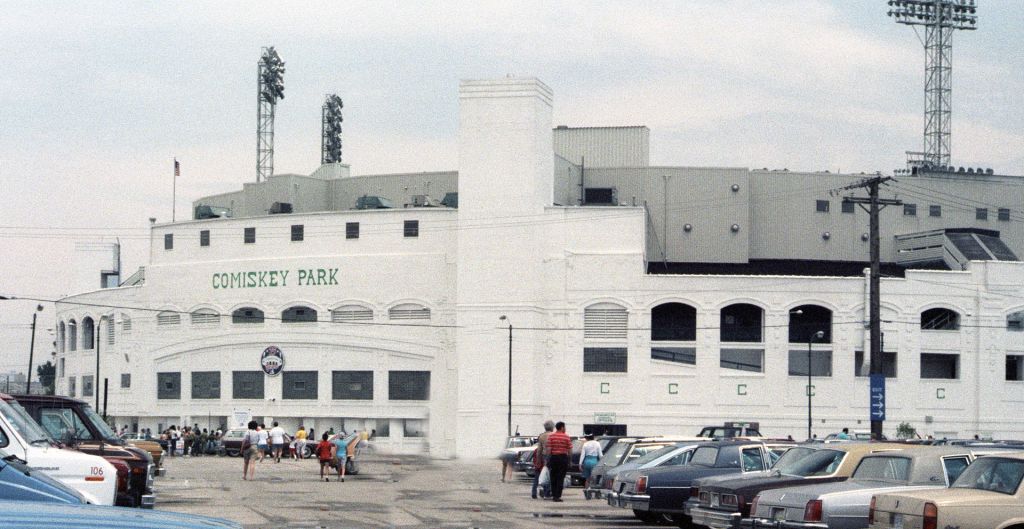
The city’s Bureau of Overdevelopment & Parking formally approved plans to rebuild much of Chicago’s demolished history on the site. Replicas of Prentice Women’s Hospital, Comiskey Park, plus countless workers cottages and classic places of worship are just a few of the structures expected to be rebuilt once work begins this fall.
Several city officials, all of whom spoke on condition of anonymity for fear of anyone finding out they voted in favor of this, stated the development will be an important restoration of Chicago’s history that, while abhorrently expensive and time-consuming, will provide several thousands of temporary jobs in the region, while re-creating a sense of nostalgia and civic pride that disappeared when the 1986 Bears didn’t win a second consecutive Super Bowl.
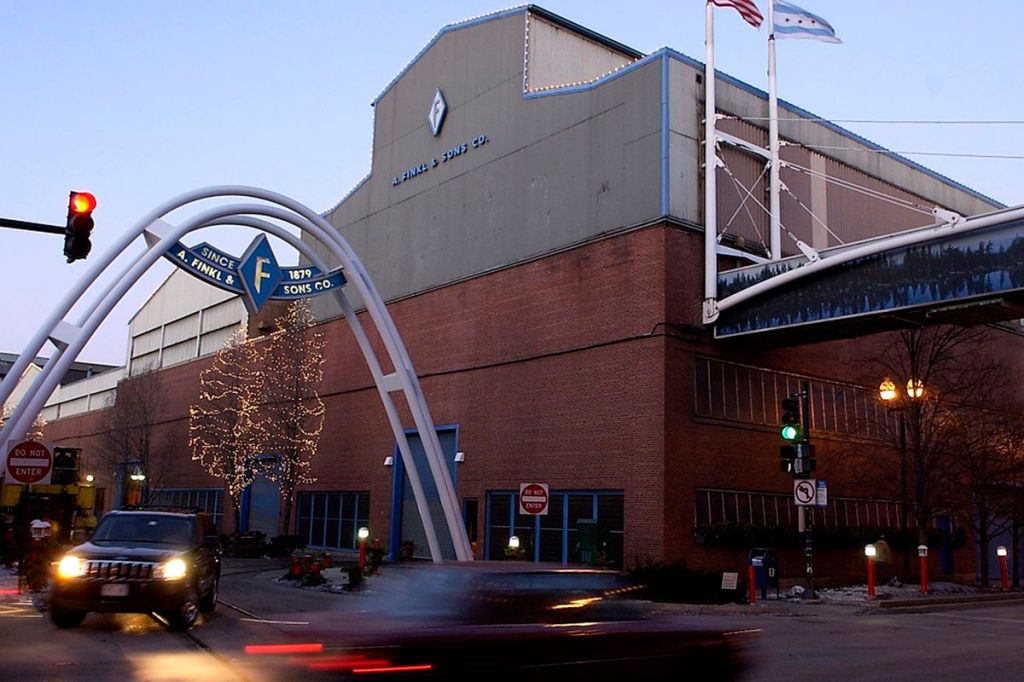
When asked if the rebuilt pieces of the city’s past will be used for their original purposes (Will Prentice Hospital be a medical facility? Will Chicago Stadium host basketball and hockey games?) each official ended our call and stopped responding to messages.
The entire development is expected to take several decades, with completion anticipated in 3Q 2052, though no ribbon-cutting ceremony had been scheduled as we went to press. A cost analysis estimates construction costs to reach $20-30 billion, though officials, again speaking on the condition of anonymity, acknowledged it has been very difficult to reach a consensus on cost figures, while also admitting any cost-overrun could send overall expenses soaring into the trillions of dollars.
One city official, speaking strictly off the record, suggested community meetings would be held throughout the development process to allow public input as to what other historic Chicago edifices could be added to the project. However, said official acknowledged on the condition of anonymity, this process would likely delay the completion date, while piling on billions of dollars worth of additional costs.
Surprisingly, most residents in the area greeted the project’s approval with excitement. One potential new neighbor, speaking on the condition of anonymity, said “it doesn’t seem too dense at all.” While another lauded the plan for blocking her view of “all that stupid blue water, which is really just wasted, unused, potential development space and I’m tired of looking at it” though she admitted more height would be nice. Another resident, who says his family has owned a home nearby for more than a century, said he hoped the residential aspects of the project would attract lots of new neighbors “who are just looking to rent here.”

Unconfirmed reports of the city’s intention to involve other cities as a way of off-setting costs (Houston is rumored to have interest in building a new Astrodome here) remain unconfirmed. Negotiations are ongoing.
Several officials, speaking on the condition of anonymity, anticipate groundbreaking to happen at an undisclosed location on an undisclosed date and time later this year, while refusing to acknowledge whether any of them would attend in person. Representatives of their representatives could not be reached for comment.
Building Up New Old Chicago will continue to provide updates on this development’s development as they happen.

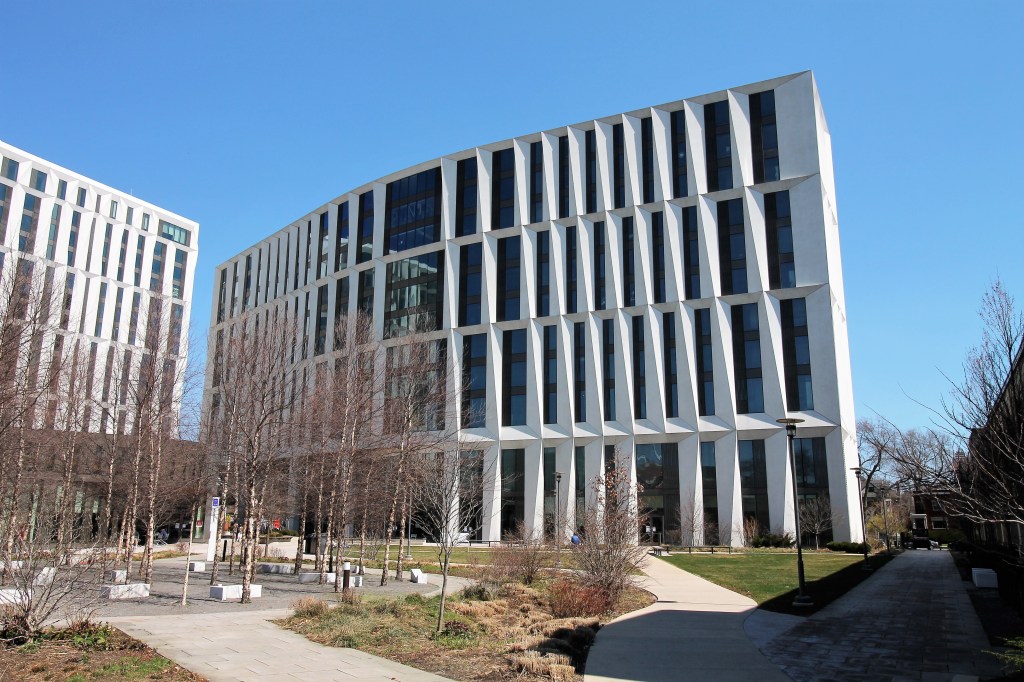
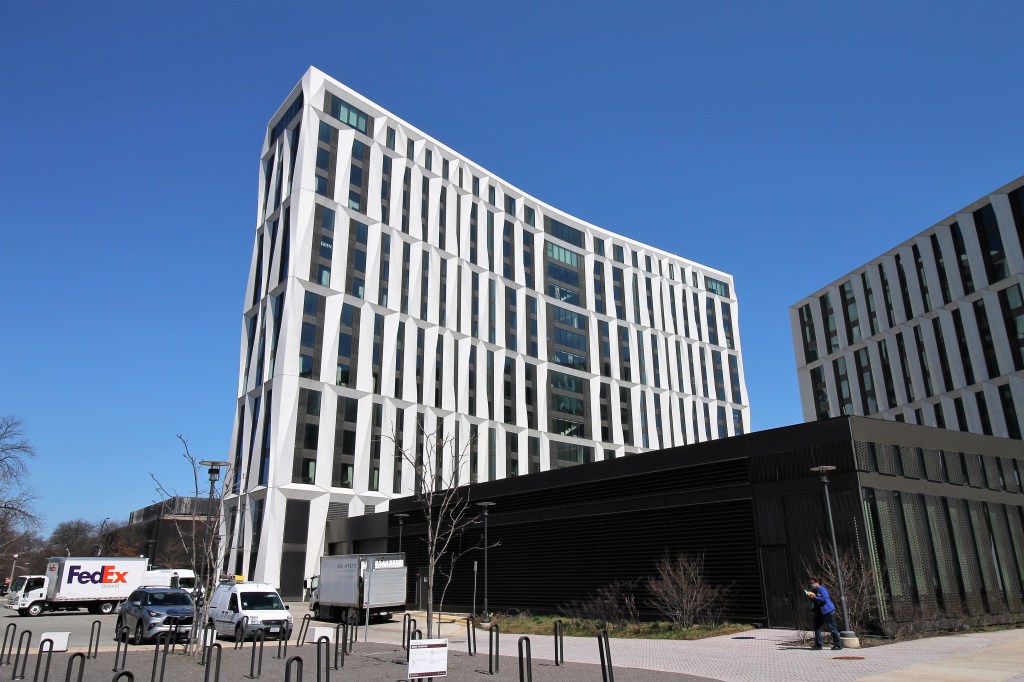
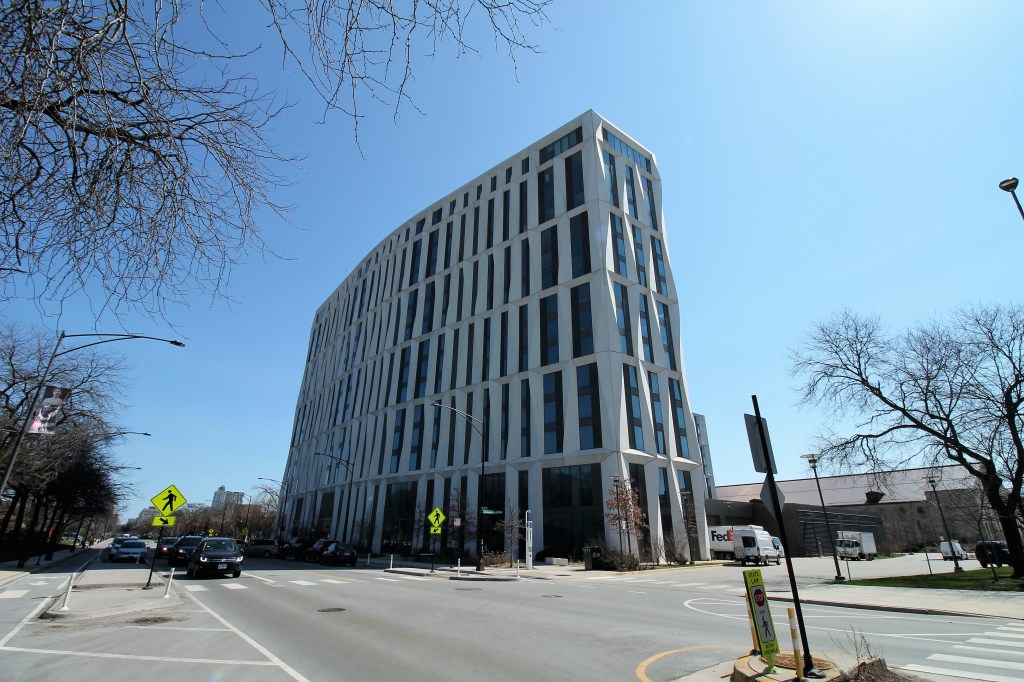
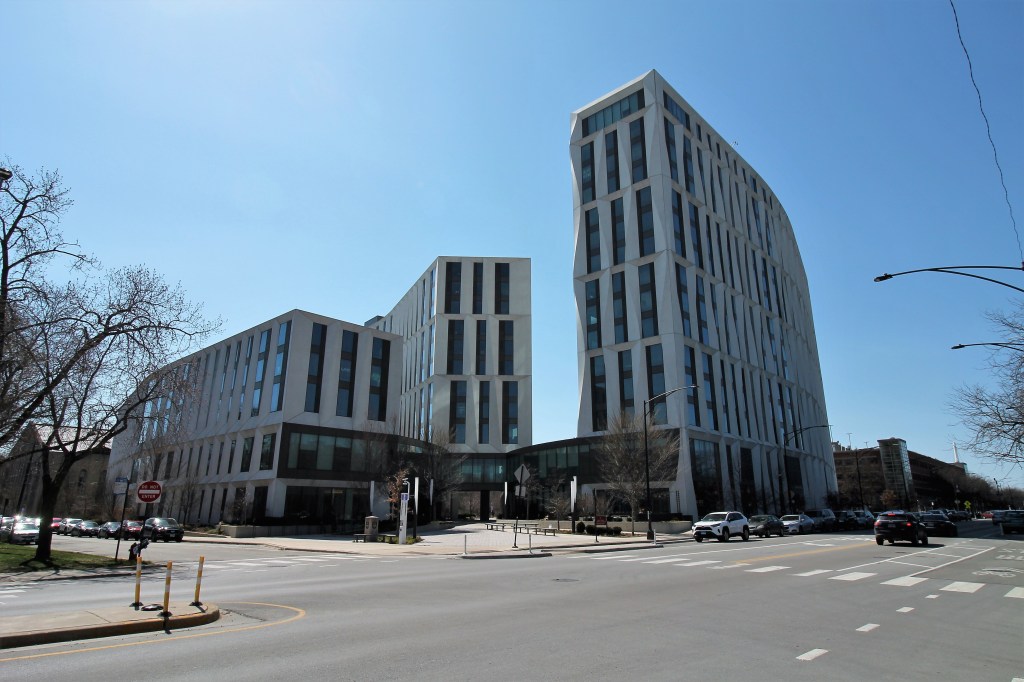
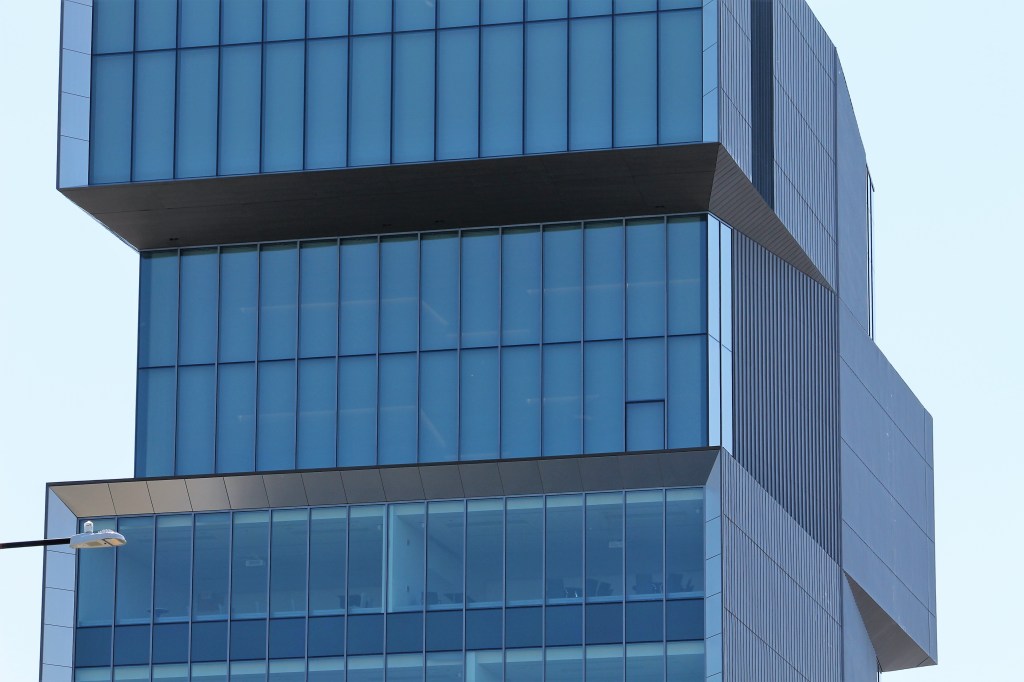
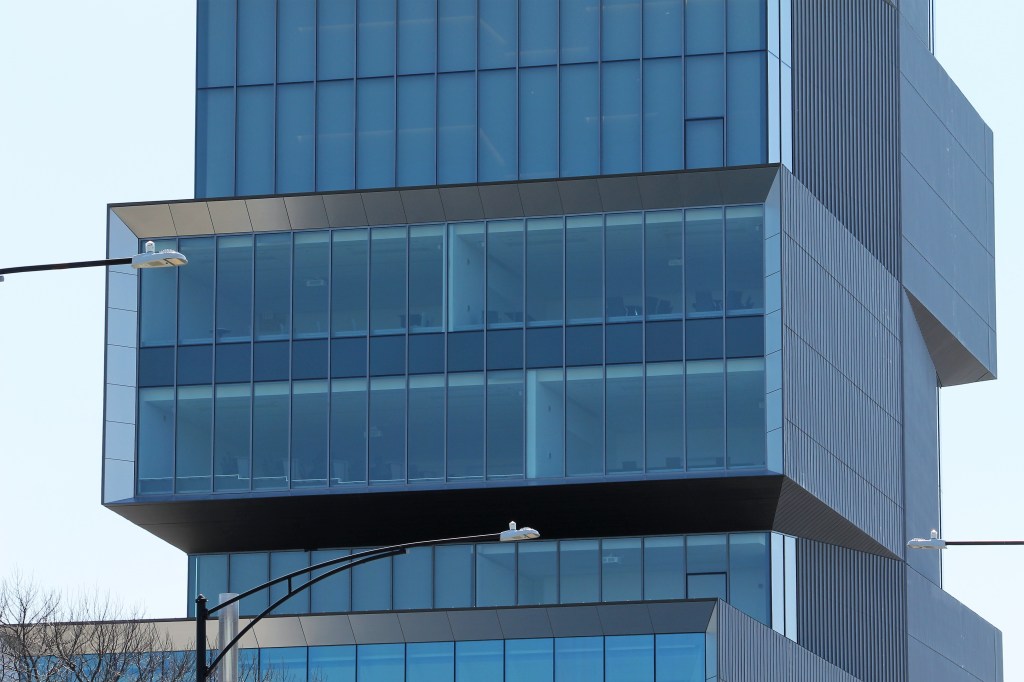
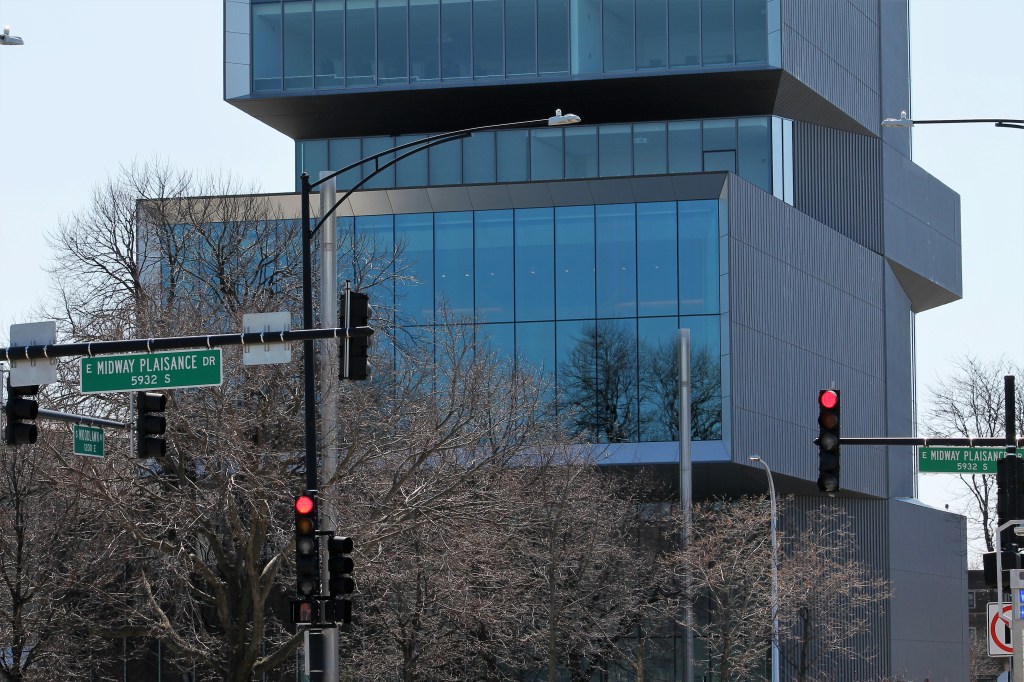
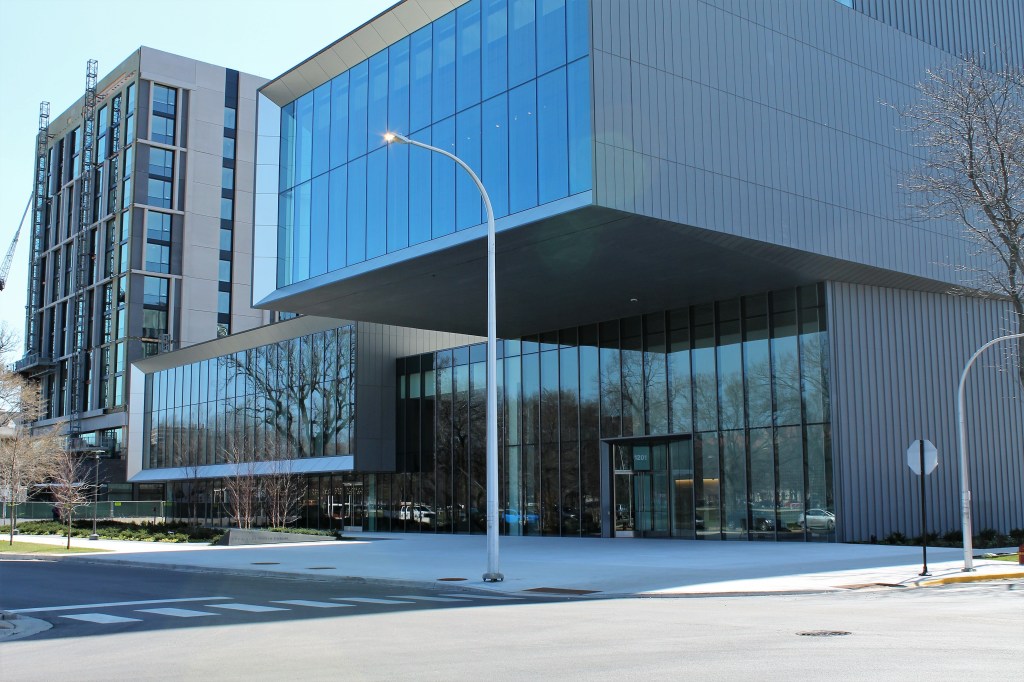
There was a time when the only building I took photos of was Aqua. It was the first tower I really fell in love with, and it gave me an immediate appreciation of Jeanne Gang’s work at Studio Gang.
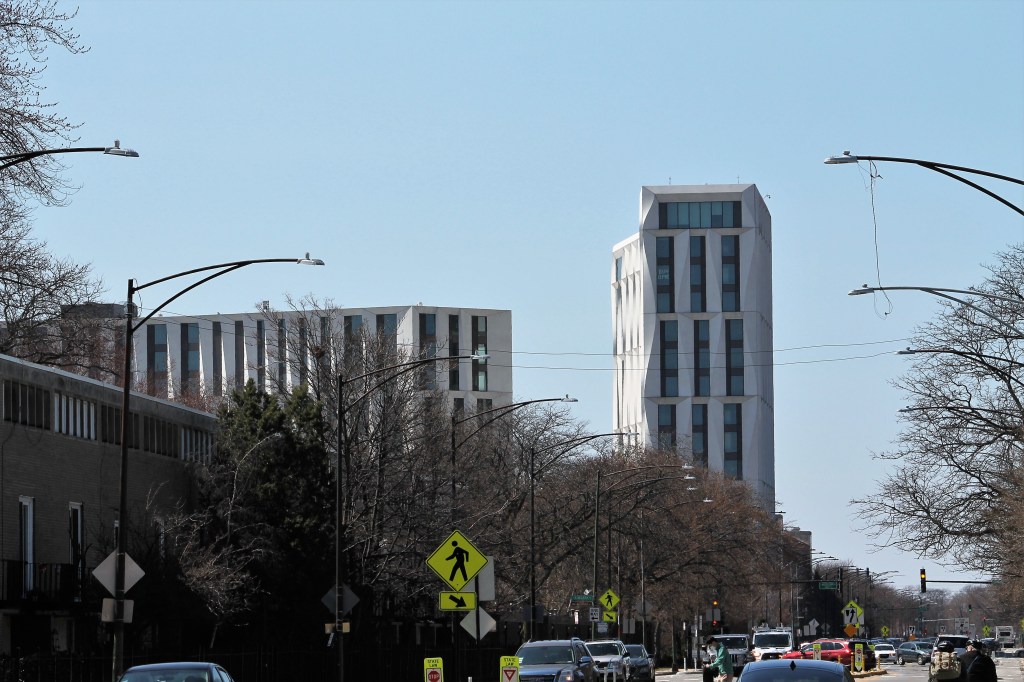
As you may know, I’ve taken a few of The Residences at the St. Regis (formerly Vista Tower) too. And Solstice on the Park down in Hyde Park. But as many times as I went down to Hyde Park for Solstice, I kept forgetting to swing by the University of Chicago Campus North Residential Commons. Until now.
Something about the coloring of this development. Standing in front of it, it looks like a rendering.
Studio Gang towers in San Francisco, Brooklyn, and St. Louis are next on my visiting agenda.


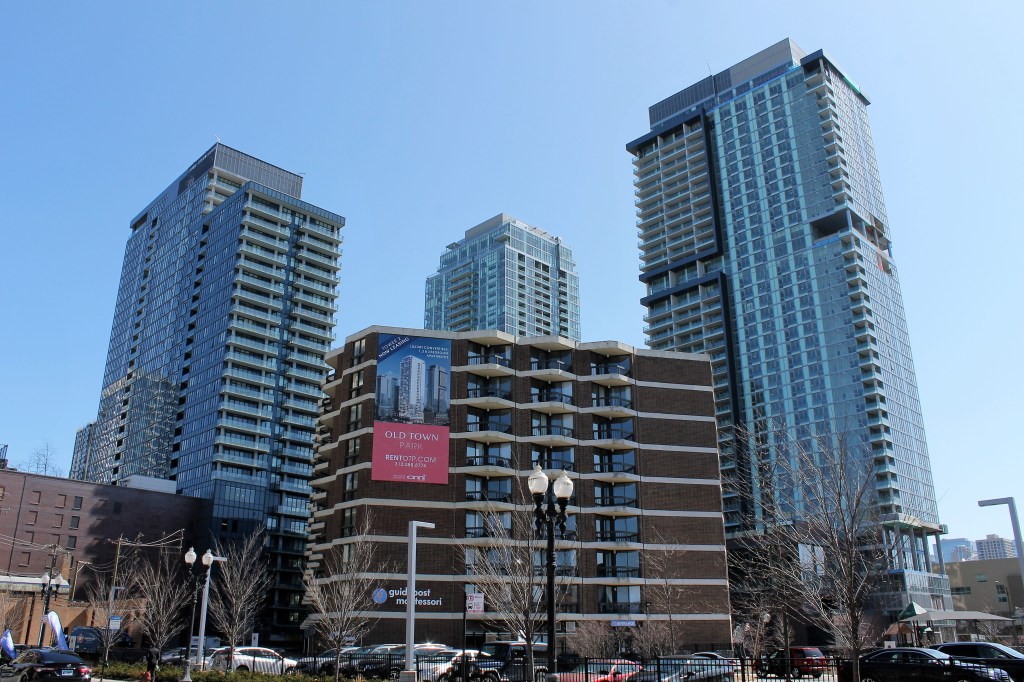
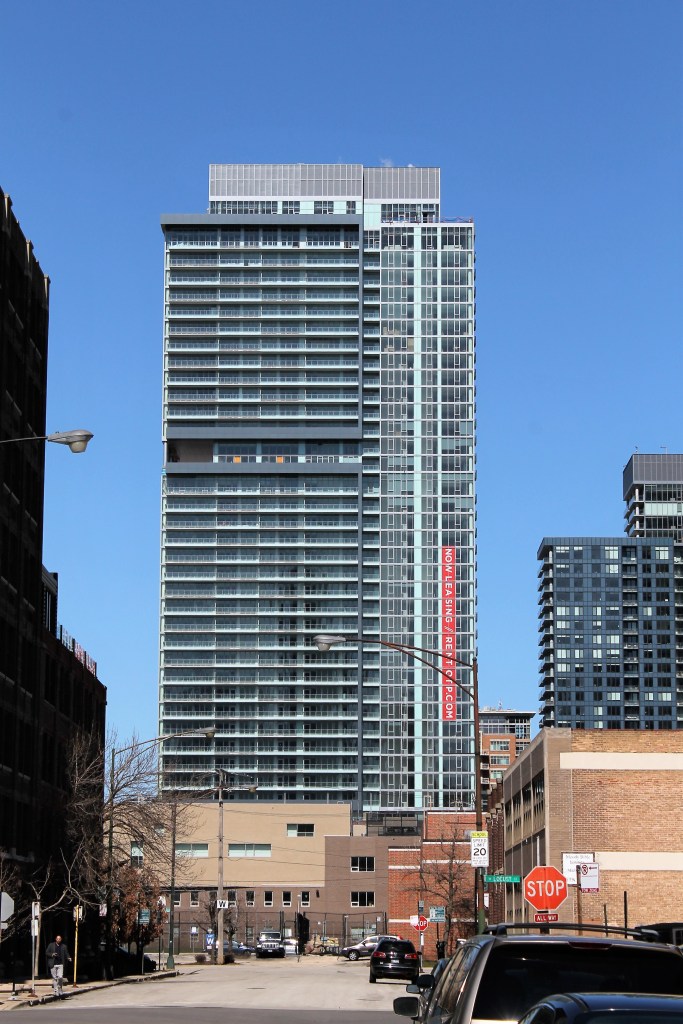
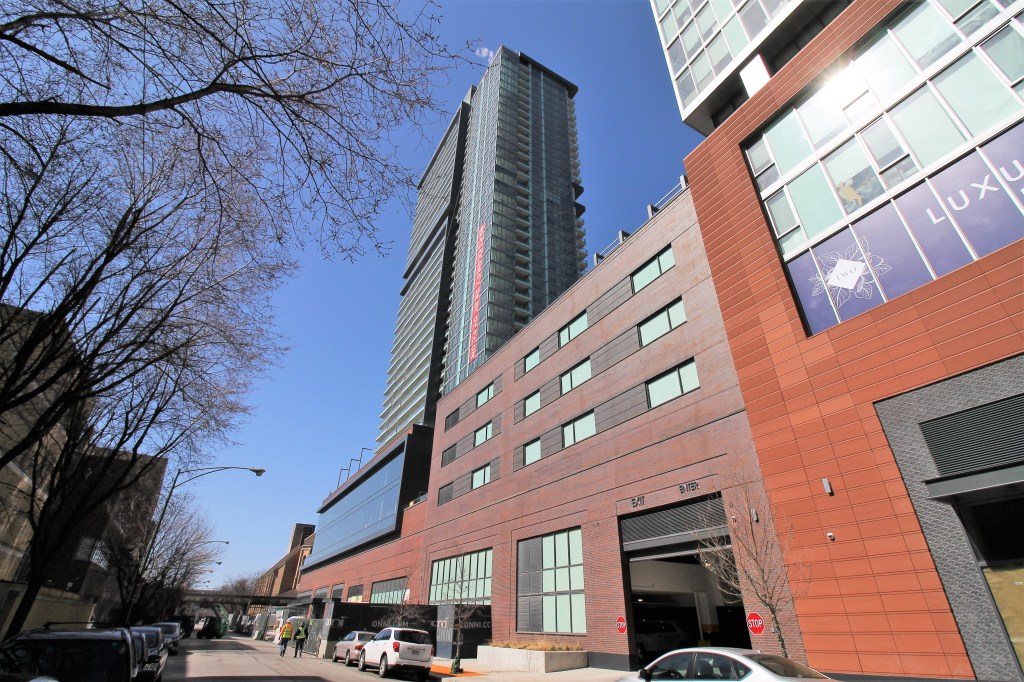
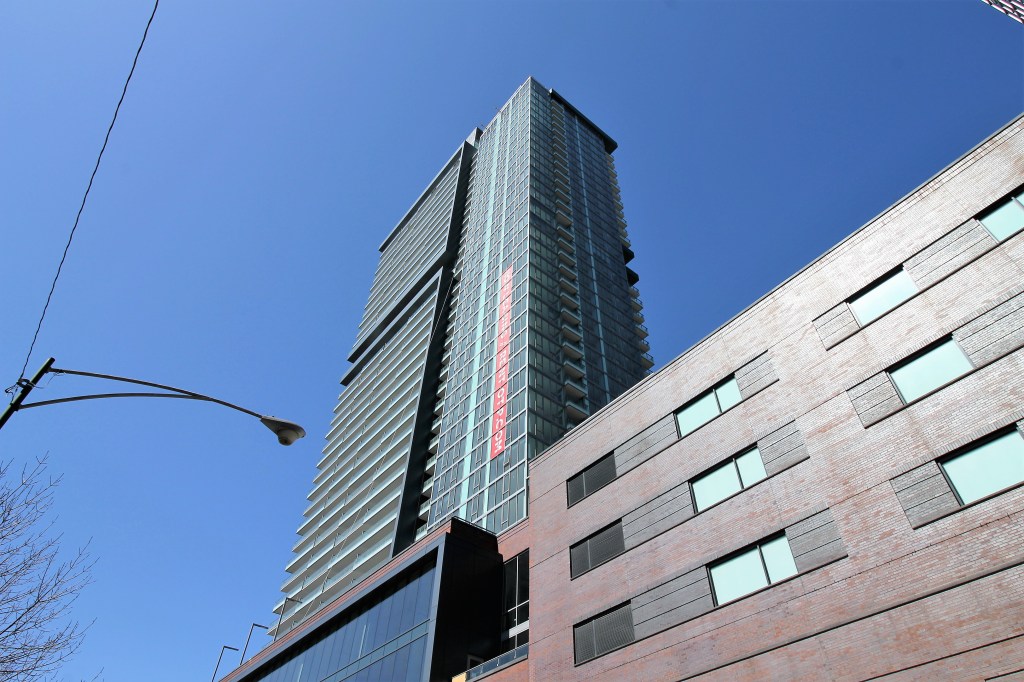
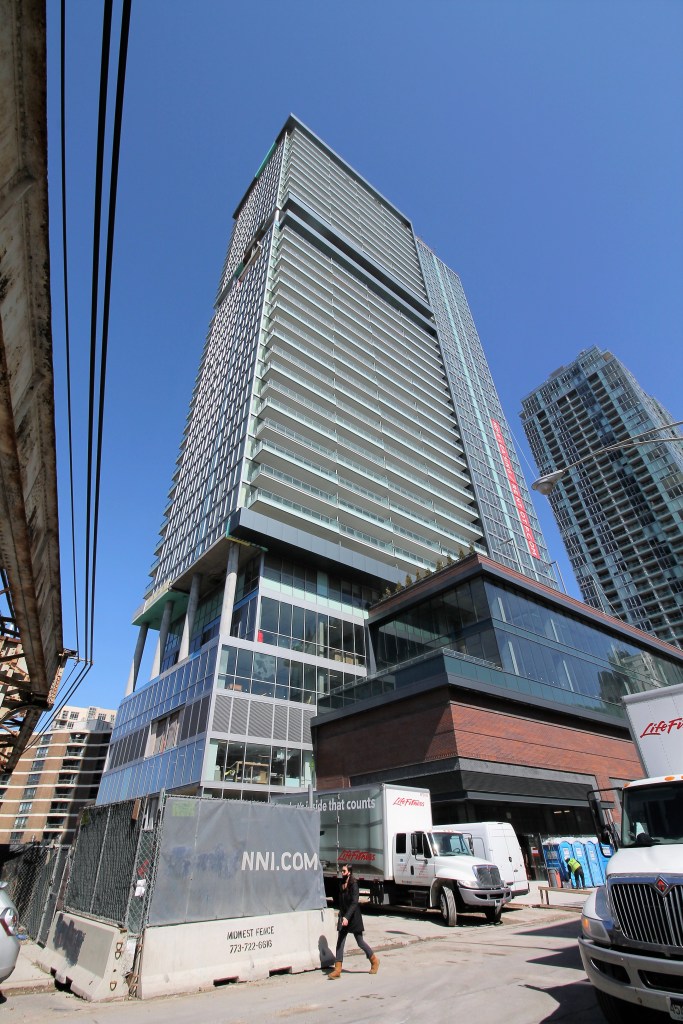
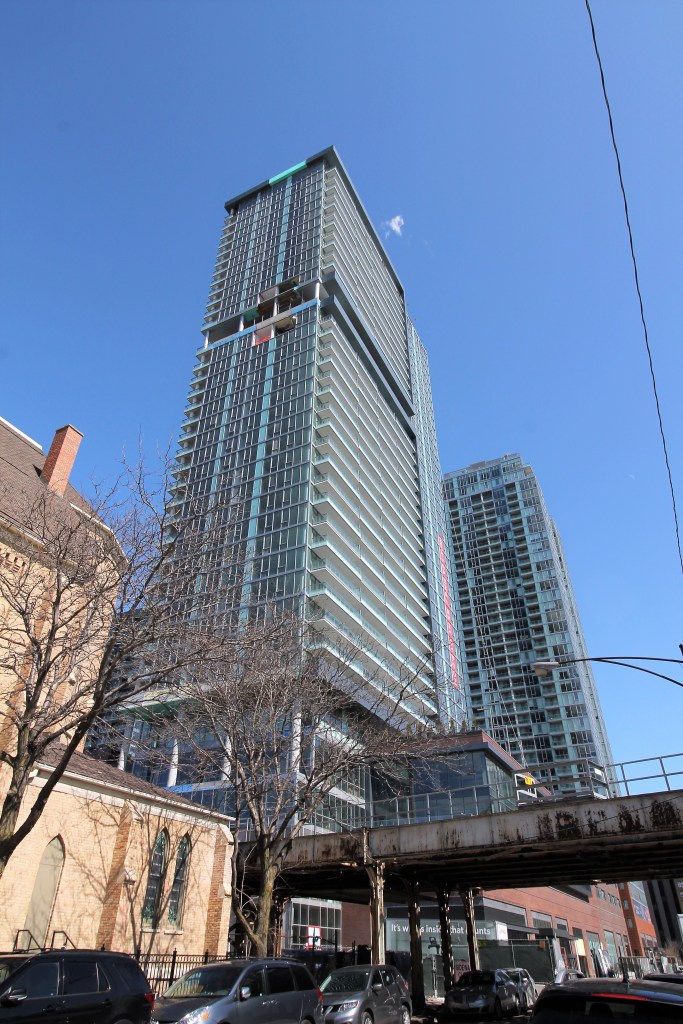
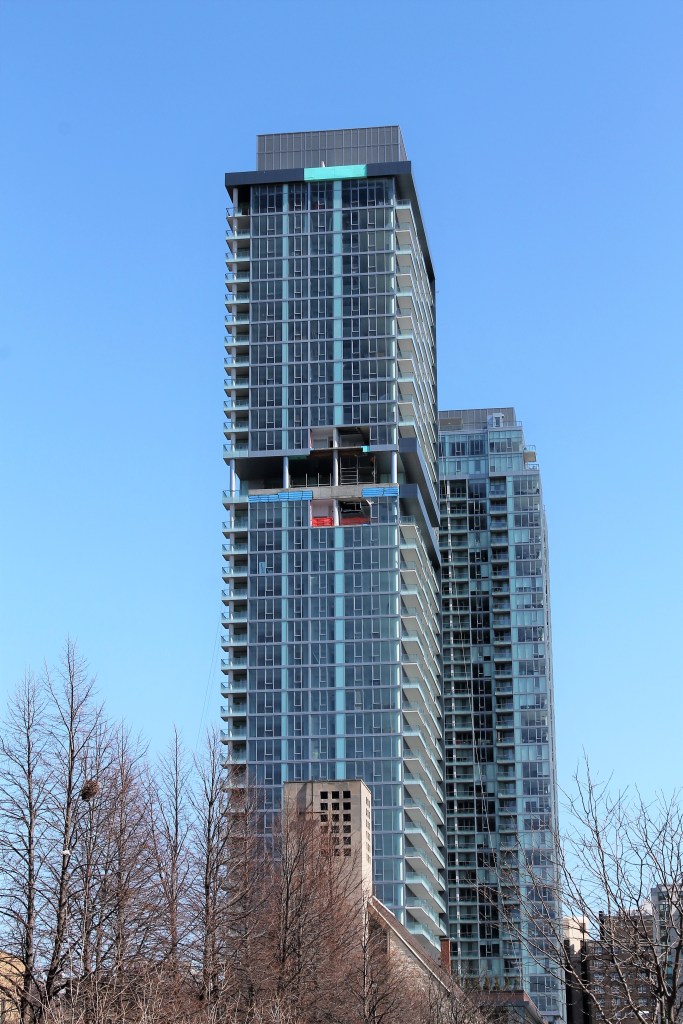
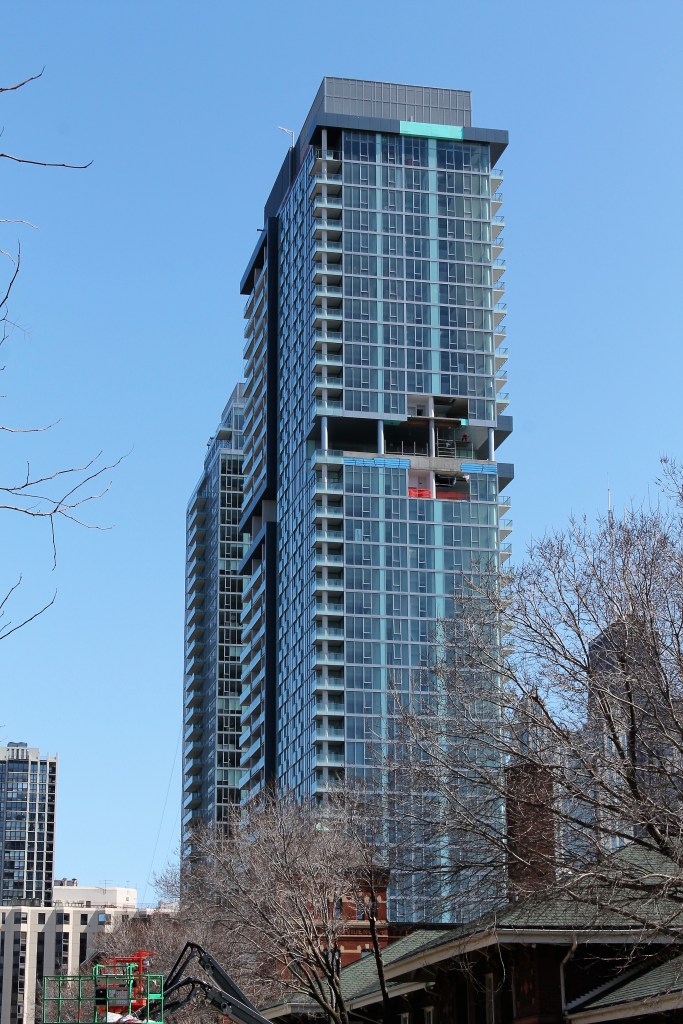
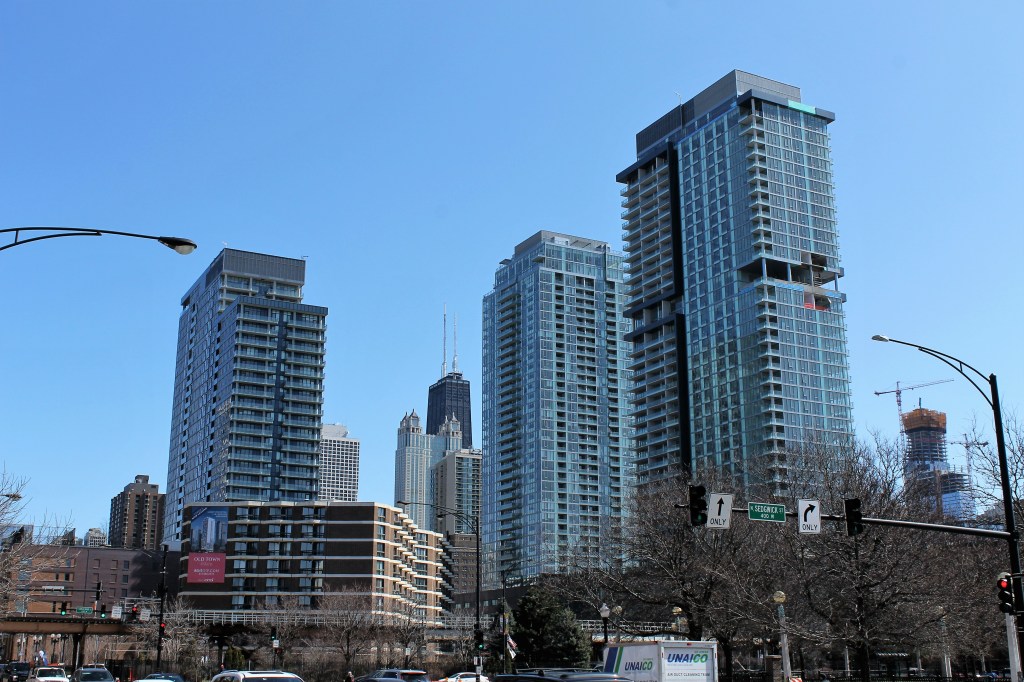
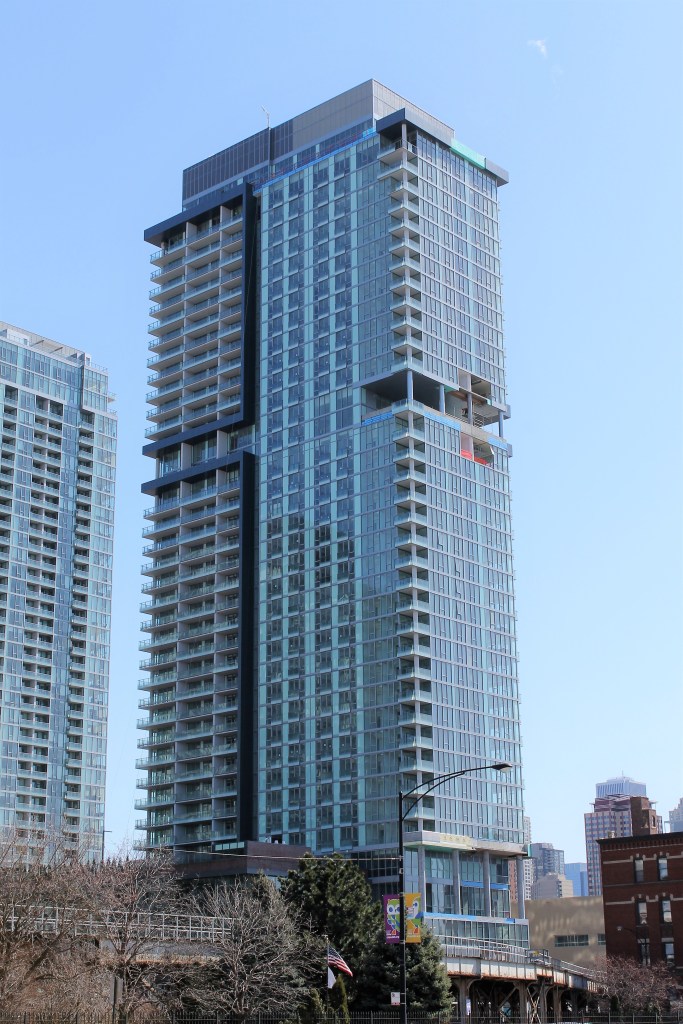
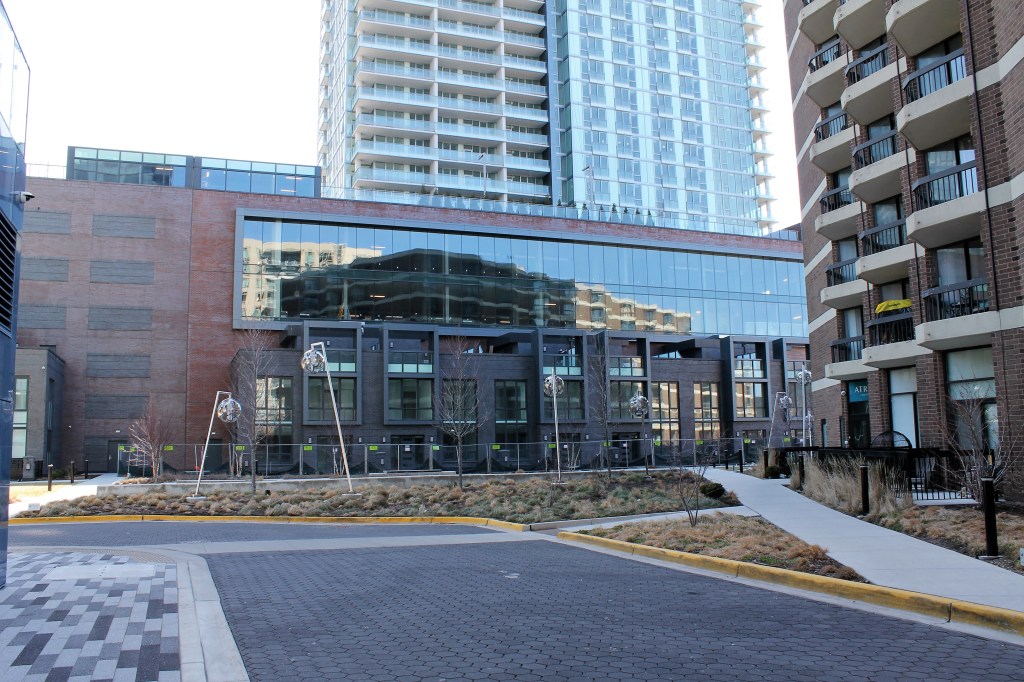
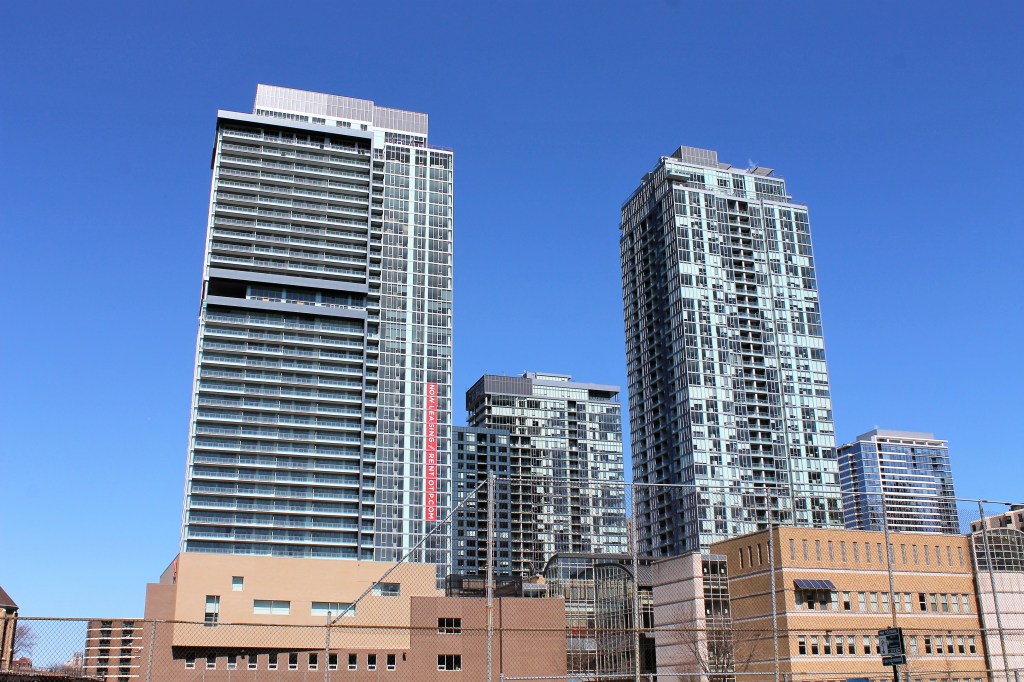
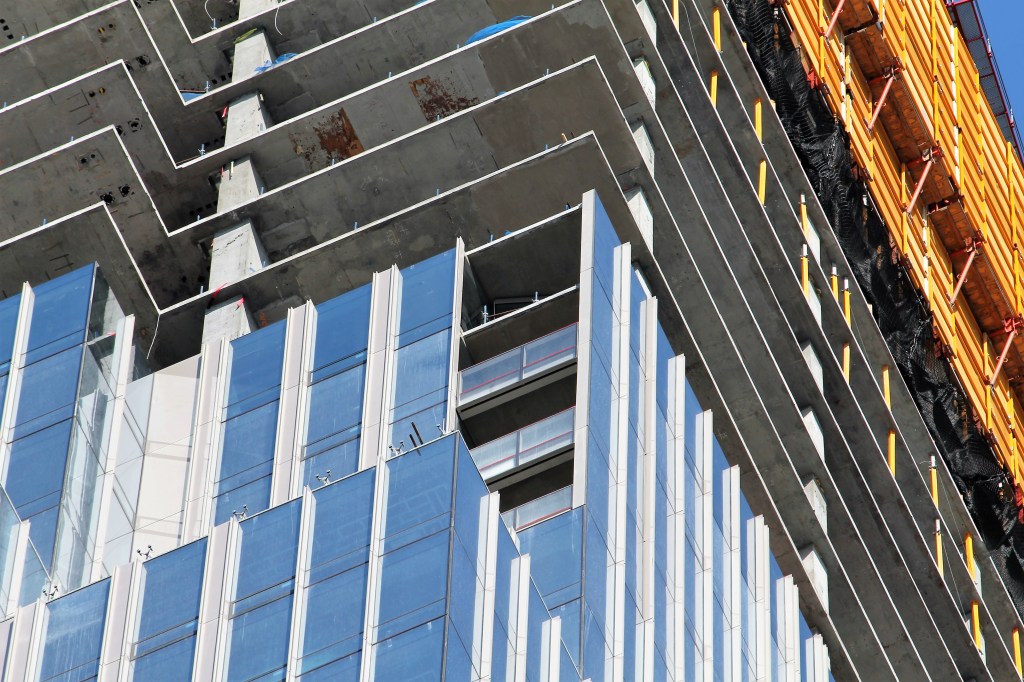
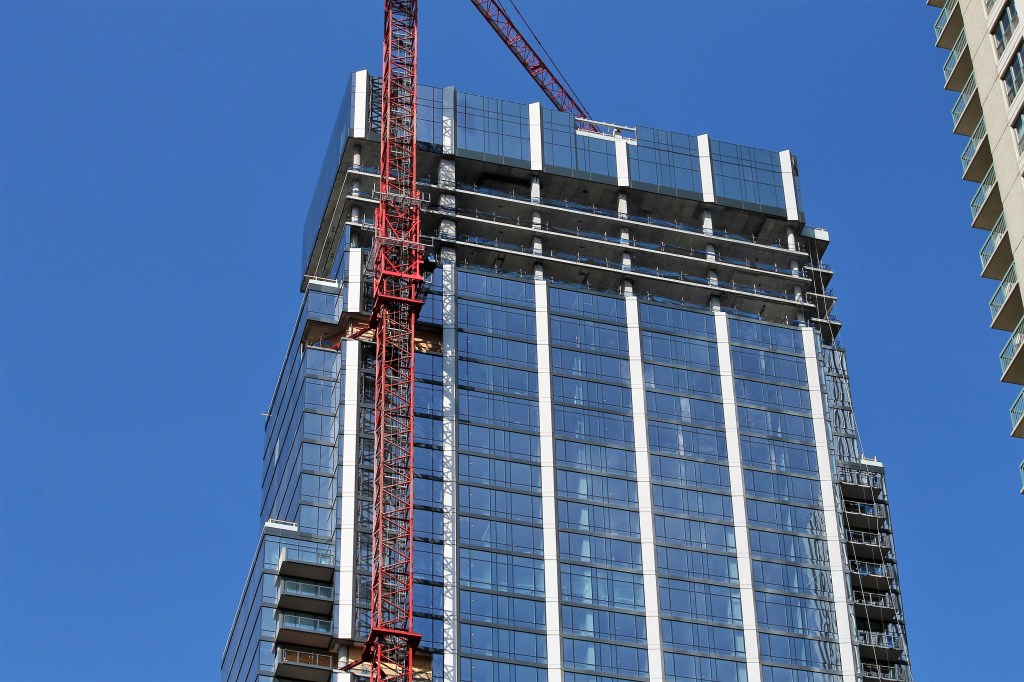
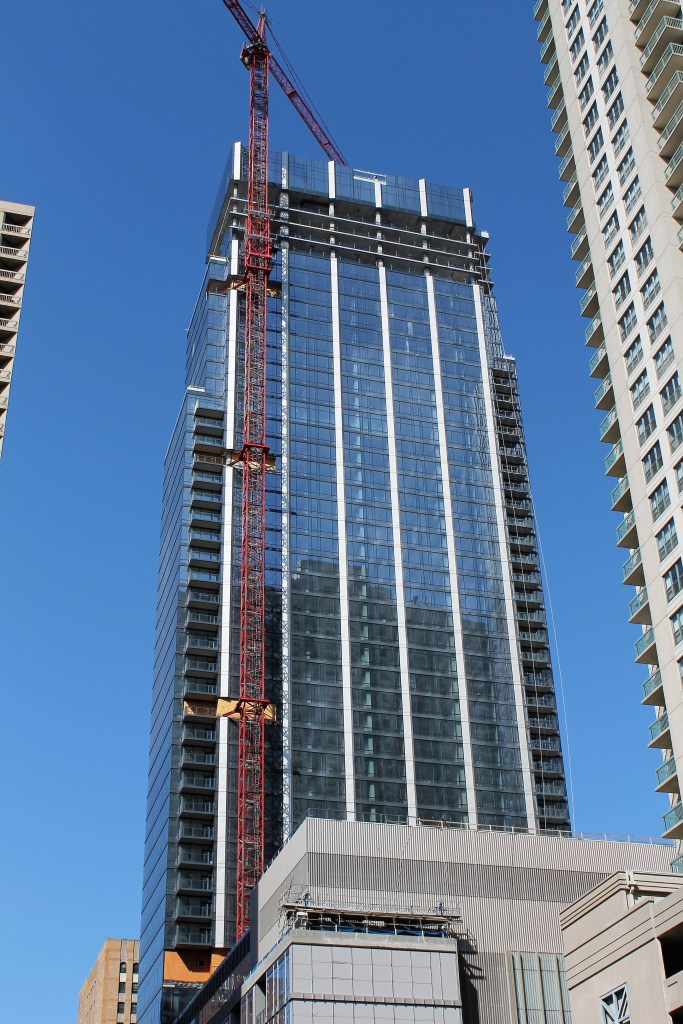
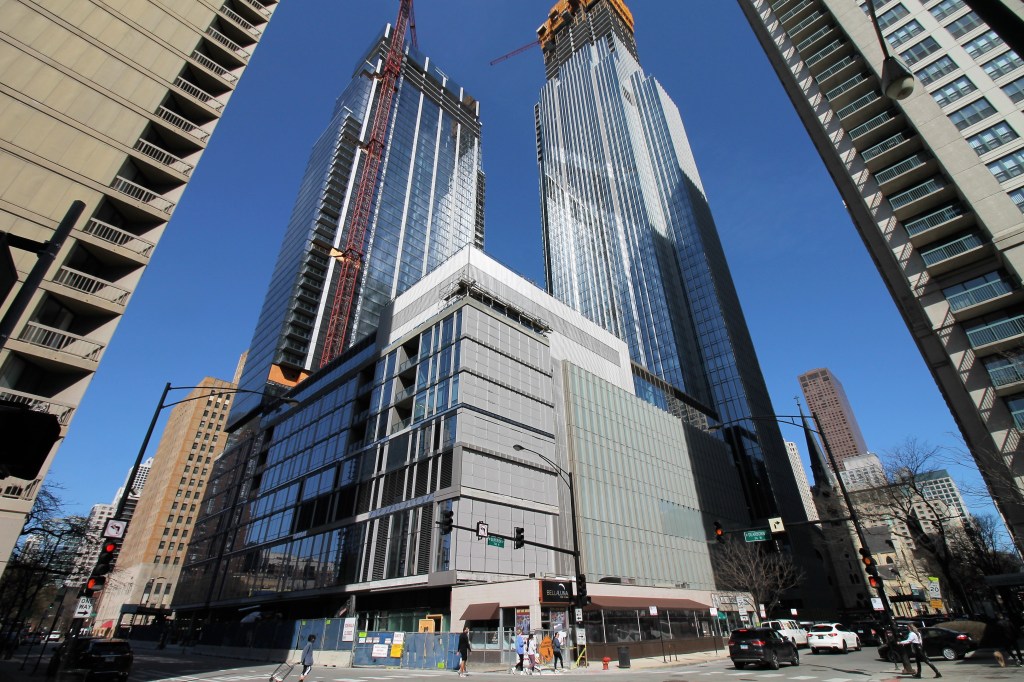
Exterior work is nearing completion at the final phase of the Old Town Park re-development in Chicago’s Near North neighborhood.
Old Town Park Phase III, at 228 West Hill Street got its full-build permit on New Years Eve 2019. That permit authorized construction of a 41-story, 456-unit apartment tower.
Old Town Park Phase II, the 39-dtory, 425-unit tower at 202 West Hill Street, got its first permit in December 2017.
The baby of the group, Phase I, got its first permit in February 2016. It has 405 apartments across 32 stories.
That puts developer and general contractor Onni Group in construction mode here just over five years. They also lit up all three tower cranes over the course of this development, so kudos for that, Onni! You’ll always hold a special place in the B.U.C. heart for that alone.
Hartshorne Plunkard Architecture is the design architect on Old Town Park.








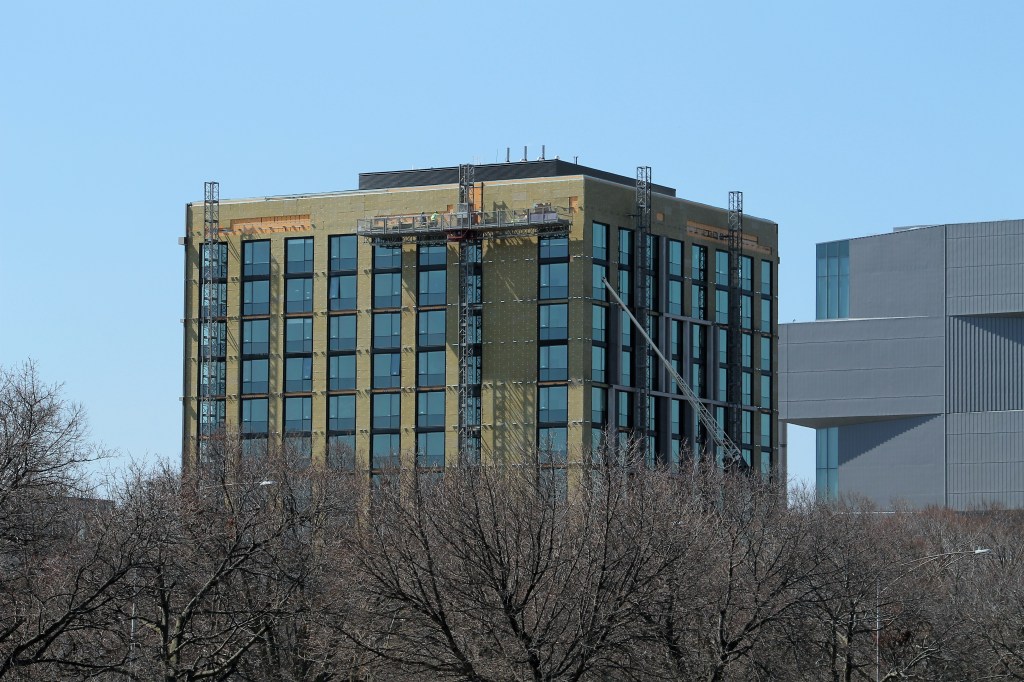
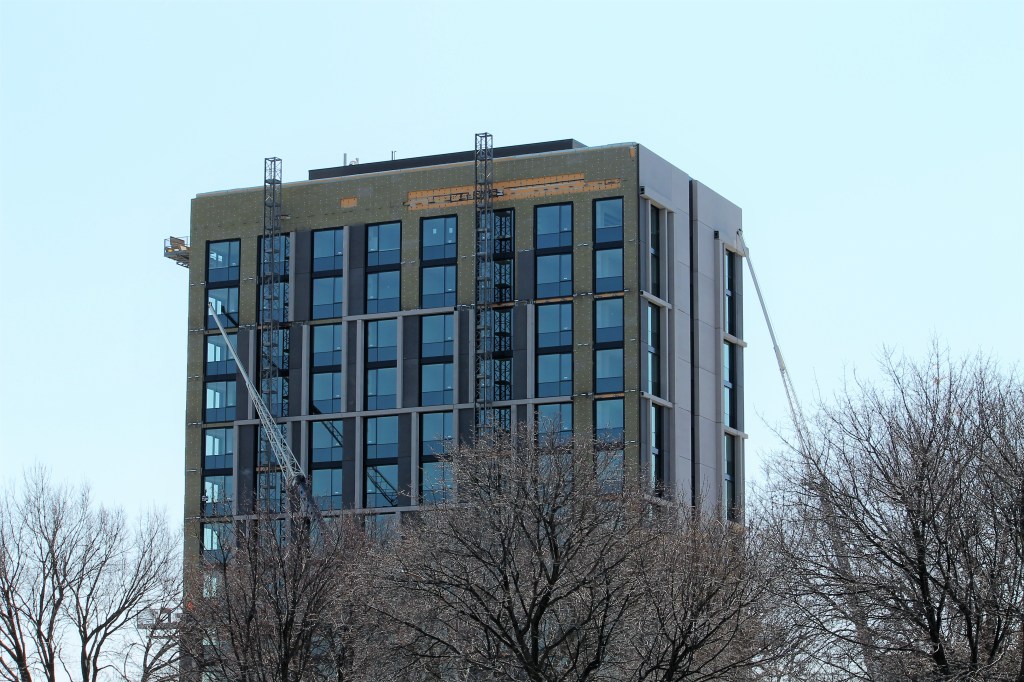
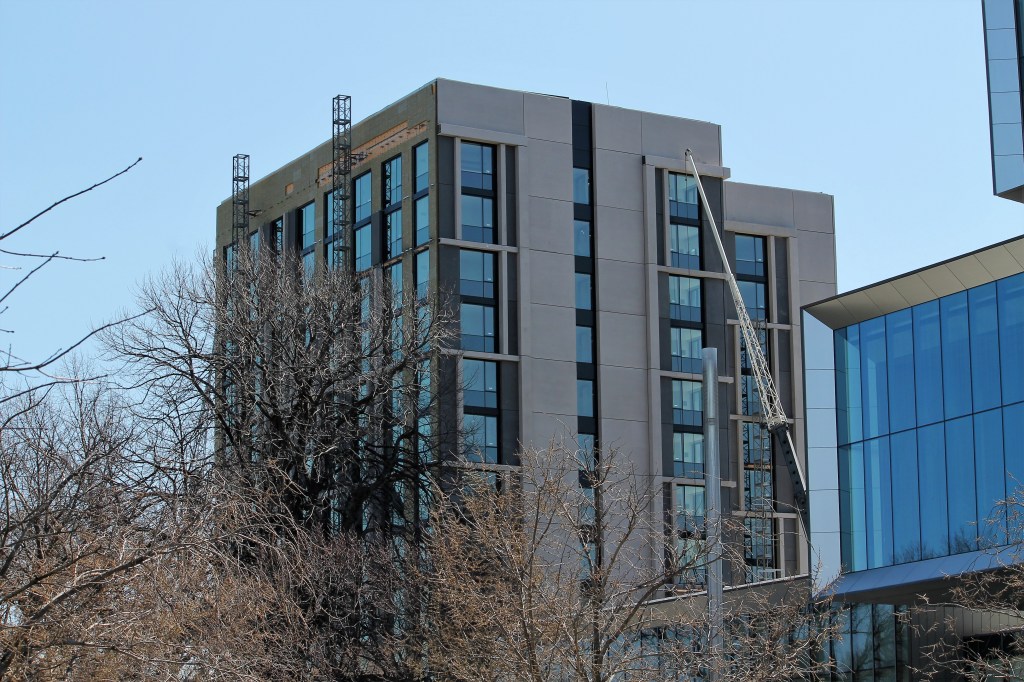
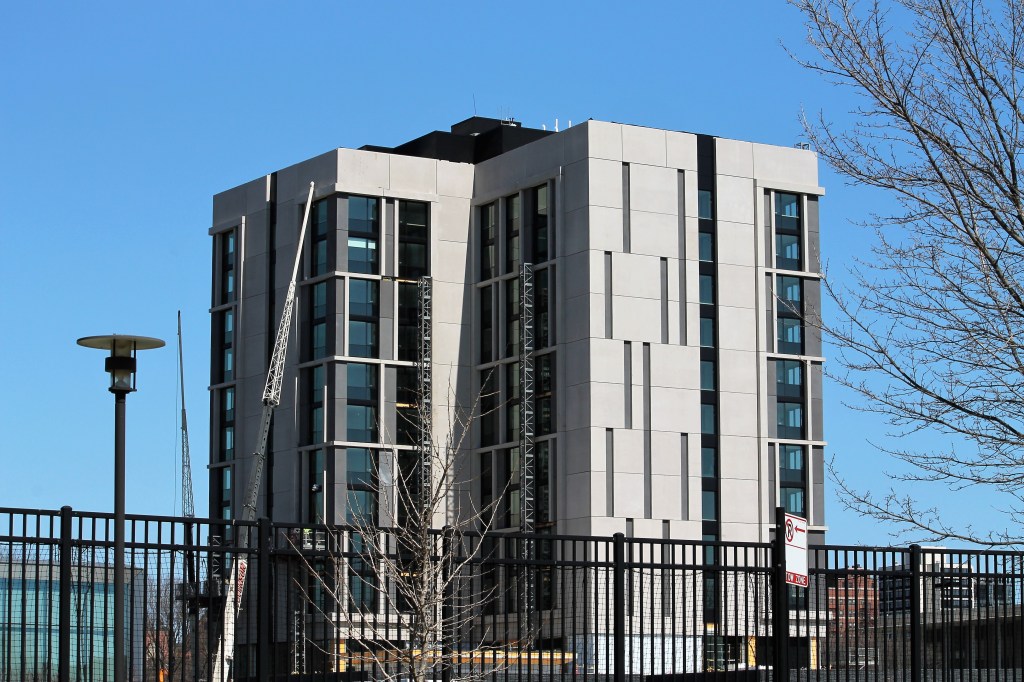
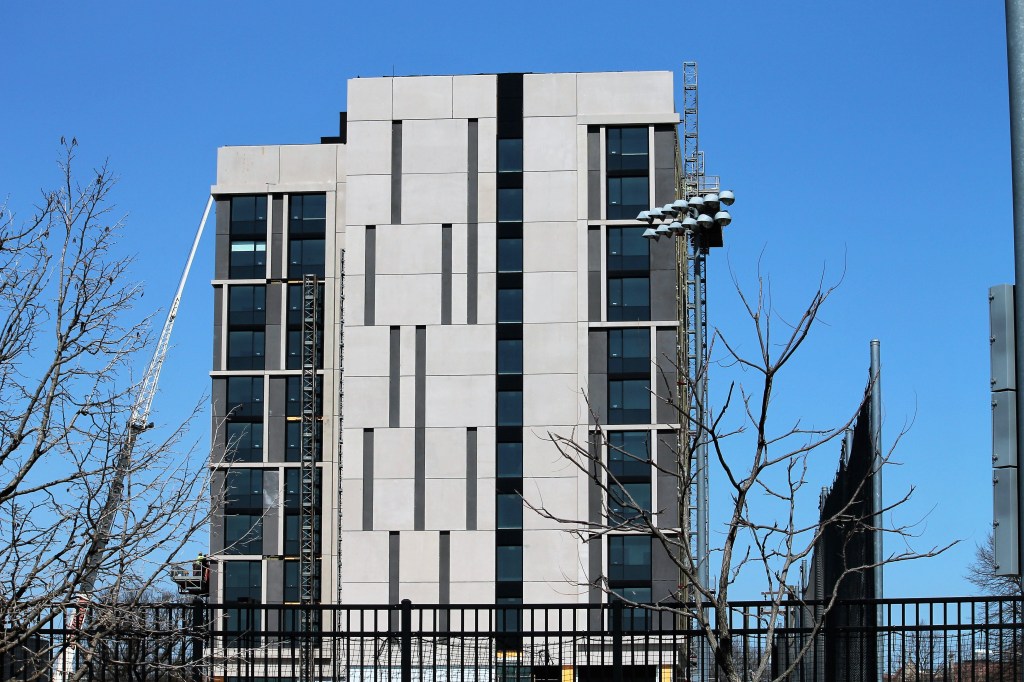
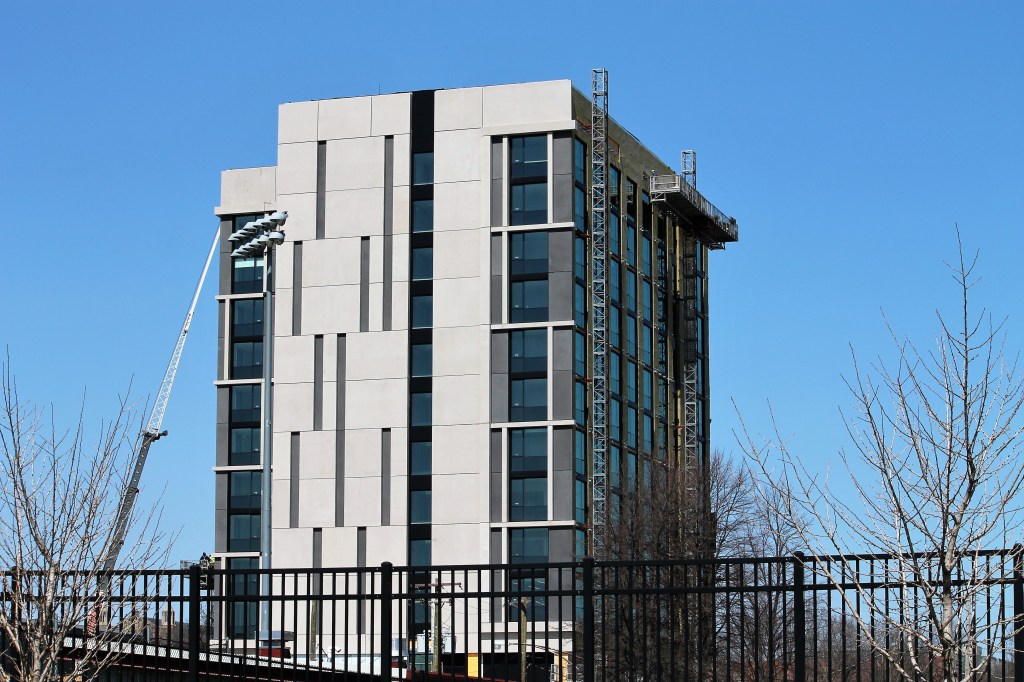
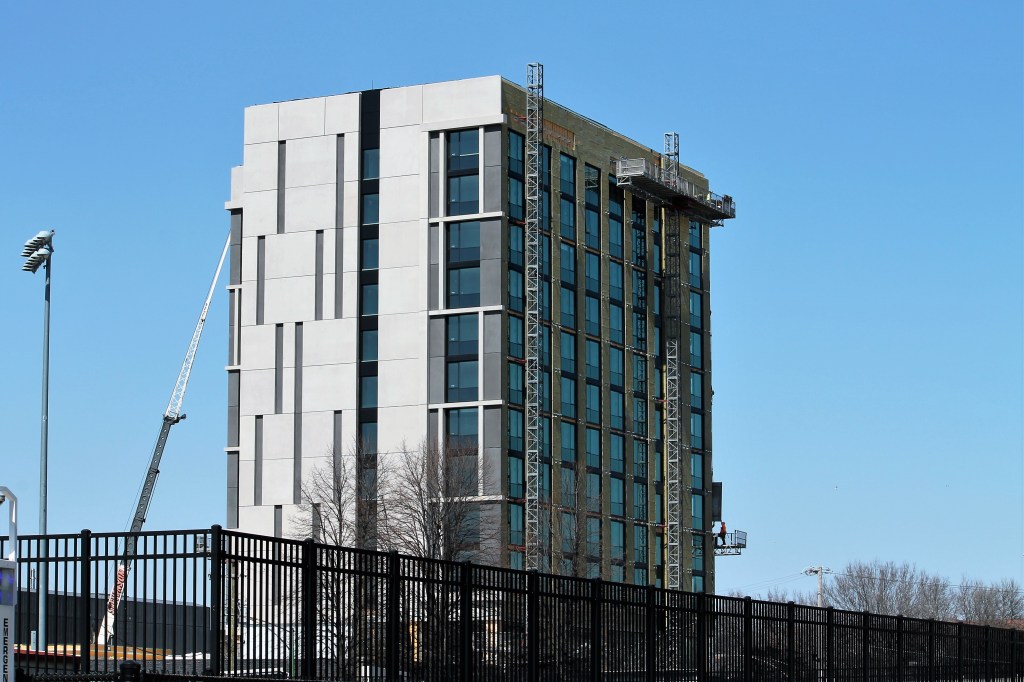
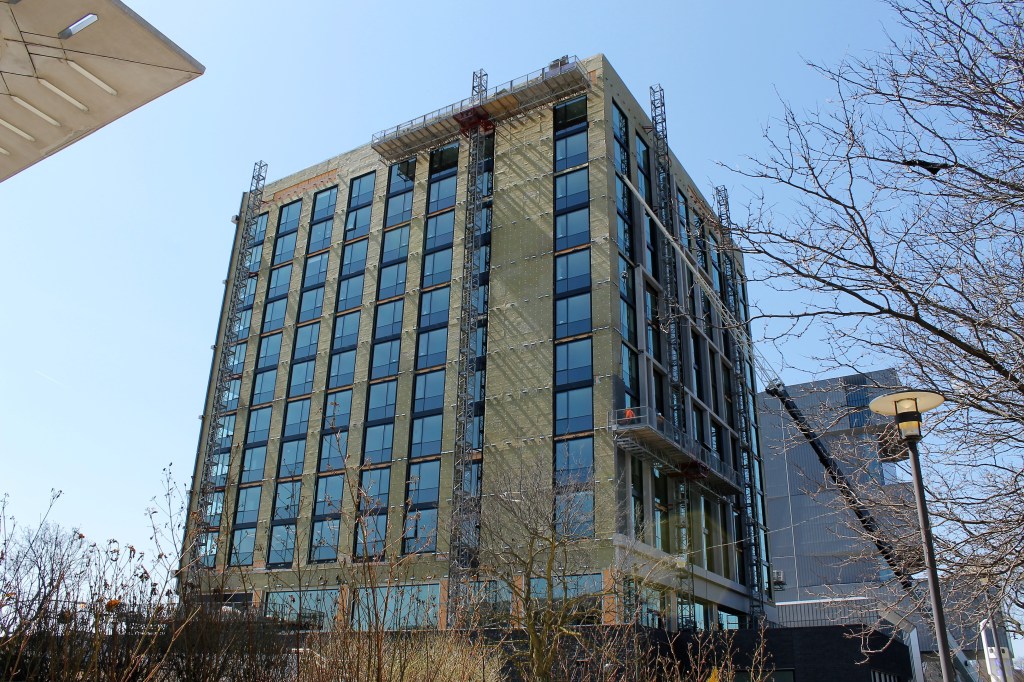
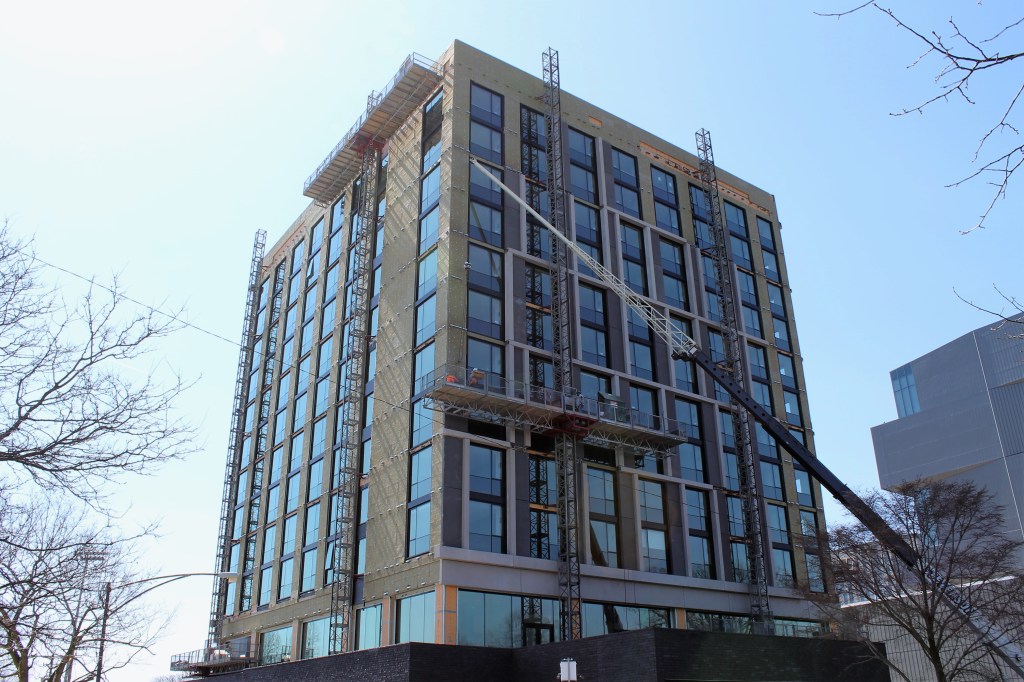
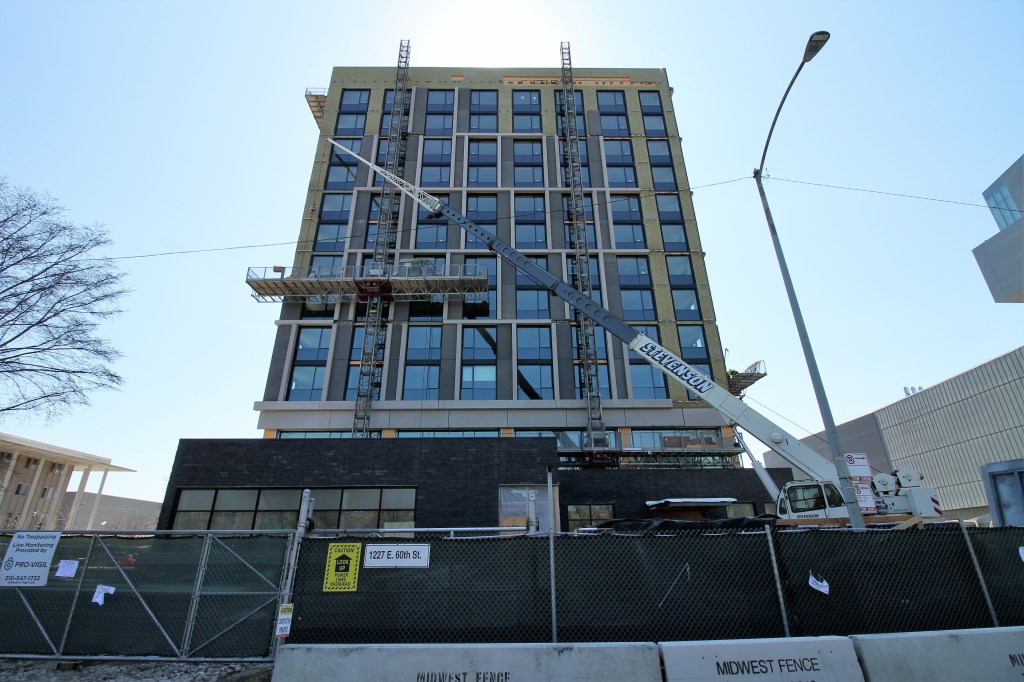
Foundation work had barely gotten underway last time (and first time) we visited The Study at University of Chicago in Woodlawn in February of last year. Just across the Midway Plaisance from the University’s Hyde Park campus, the new hotel from developer Hospitality 3 will provide 167 rooms, plus a restaurant, conference spaces, and a winter garden across its 13 stories.
The Study is designed by Holabird & Root. Completing the Ampersand Team is J.T. Magen & Company, the general contractor. Grand opening was expected in the first quarter of this year, so things are a bit behind schedule. But nothing has gone as planned for the last 13 months or so, so don’t sweat it.








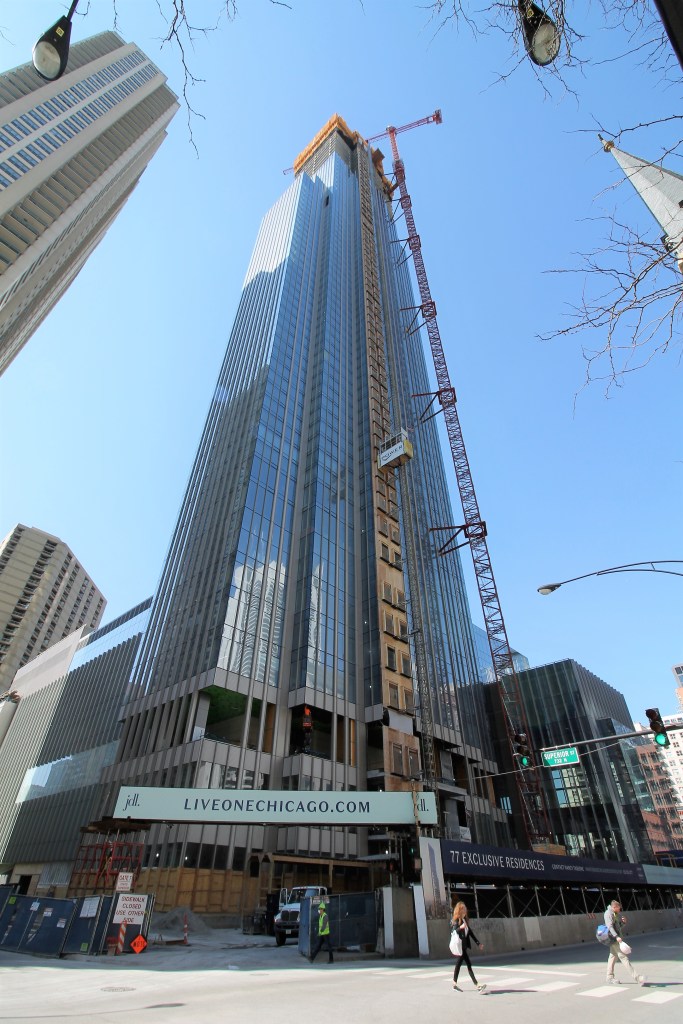
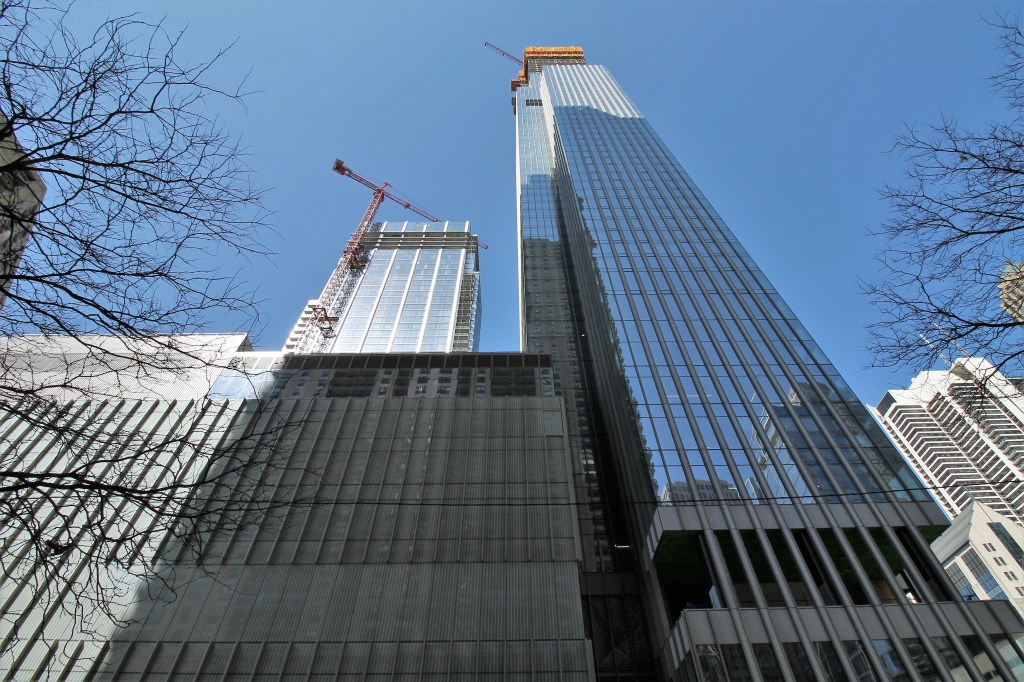
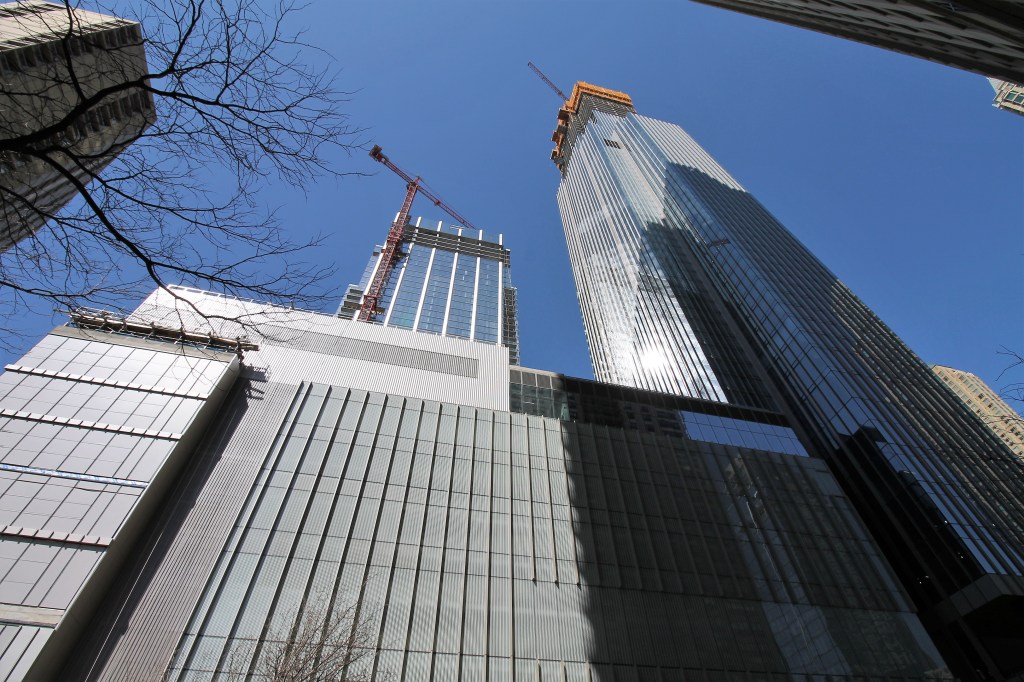
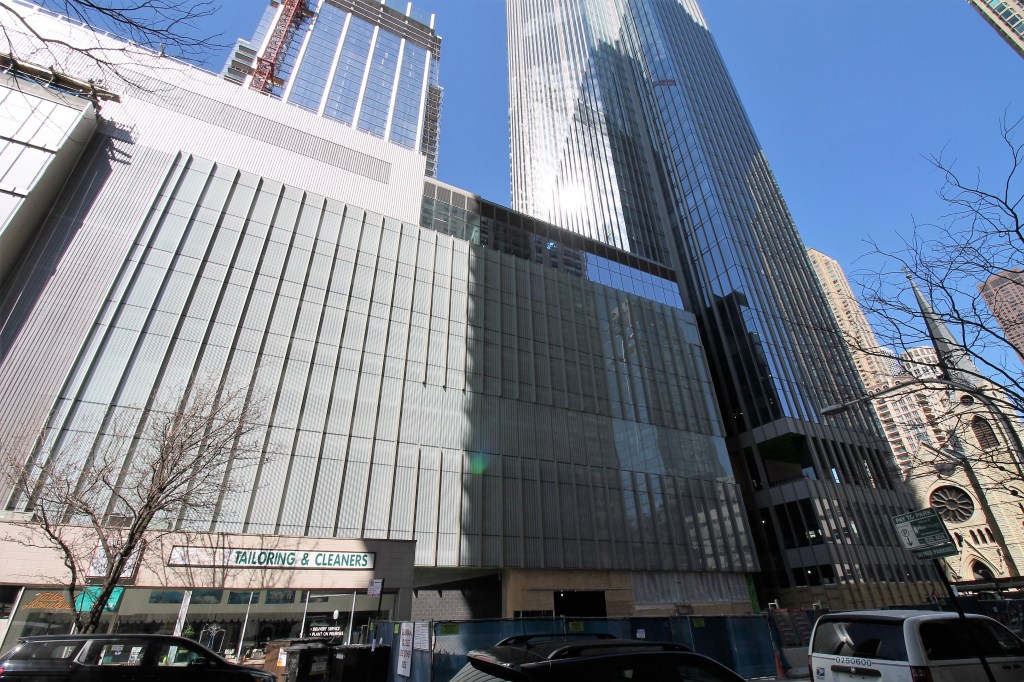
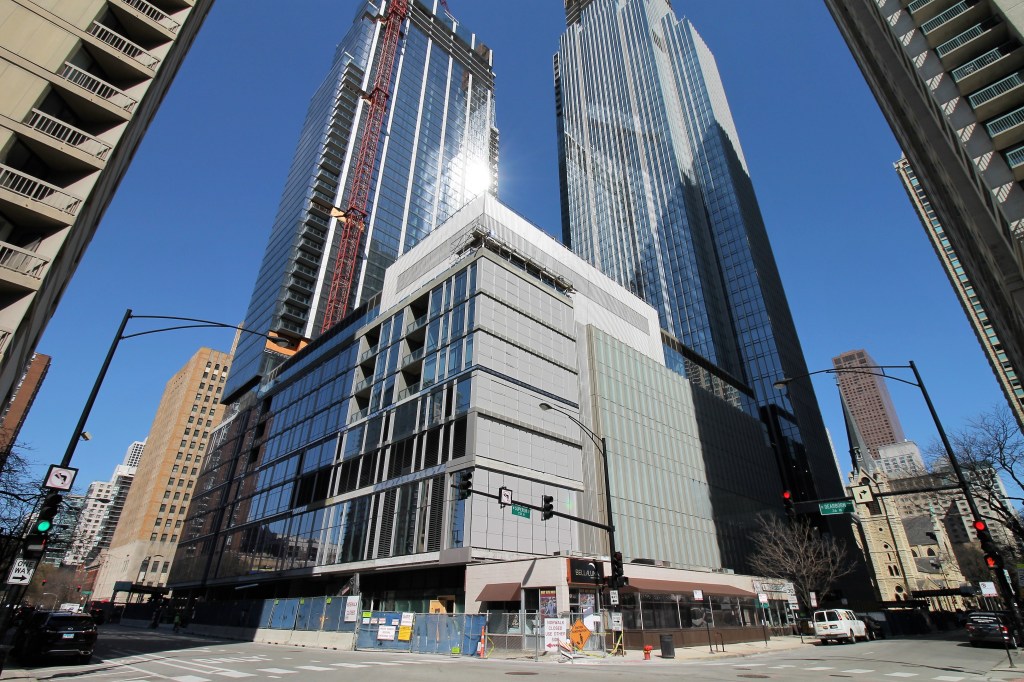
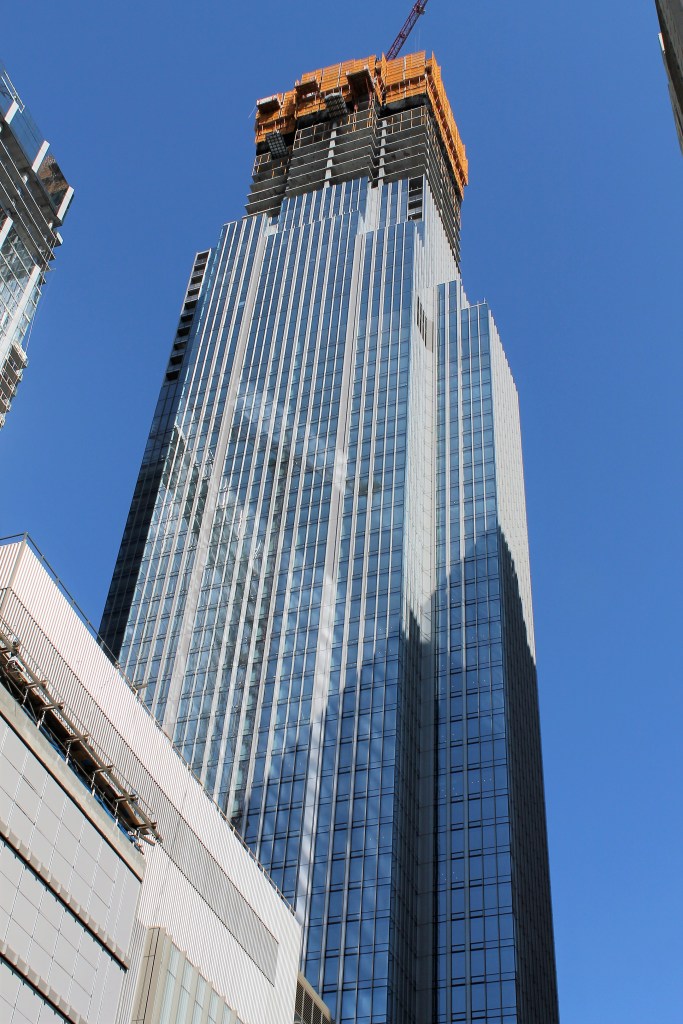
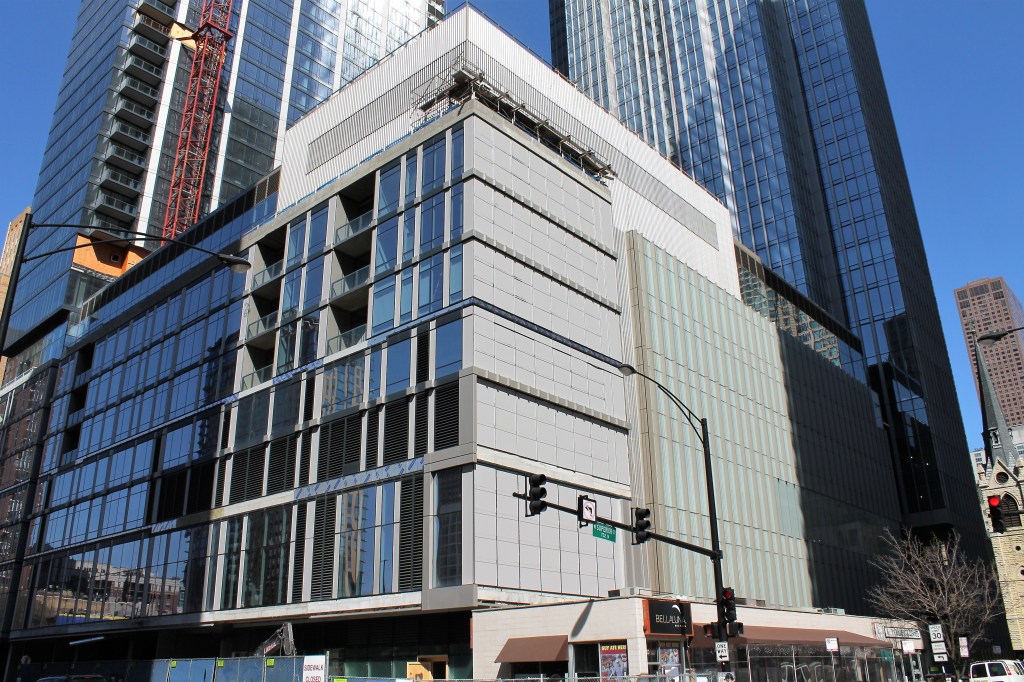
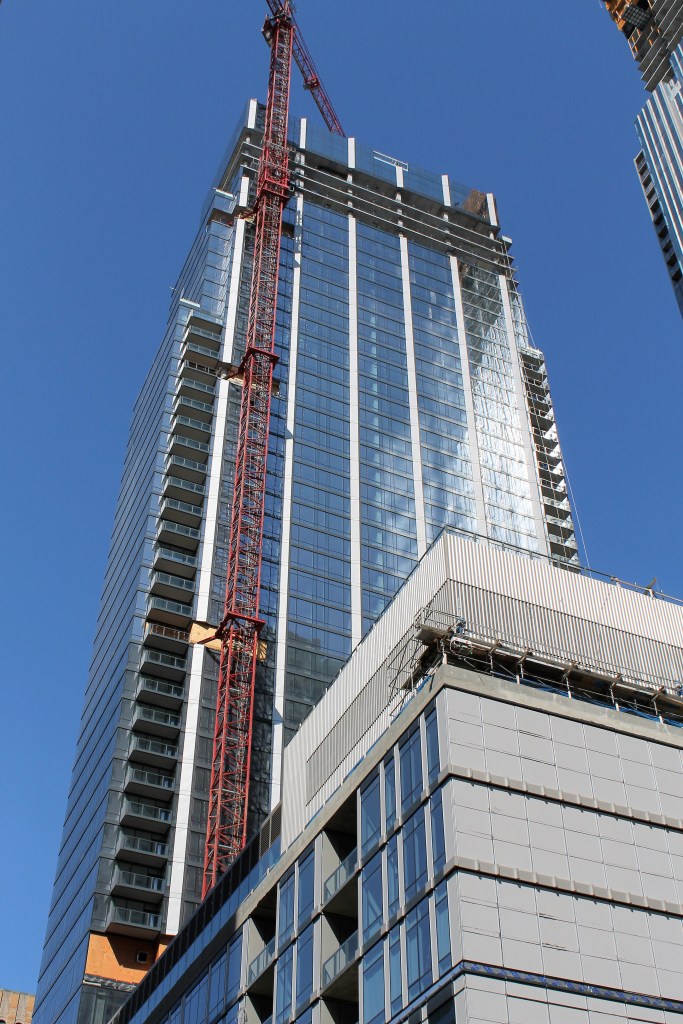
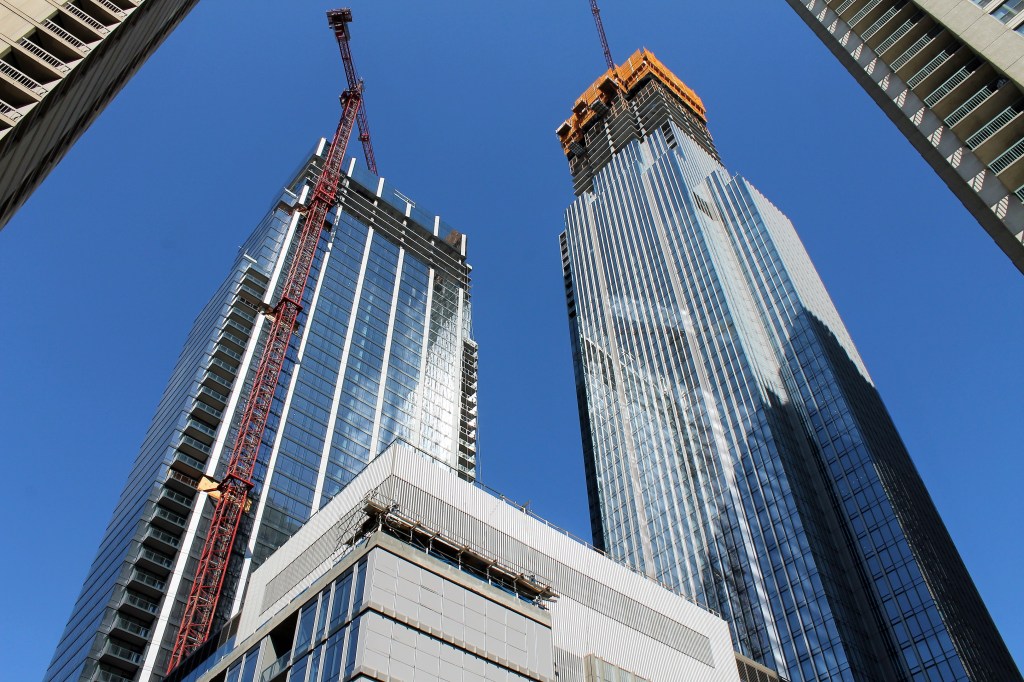
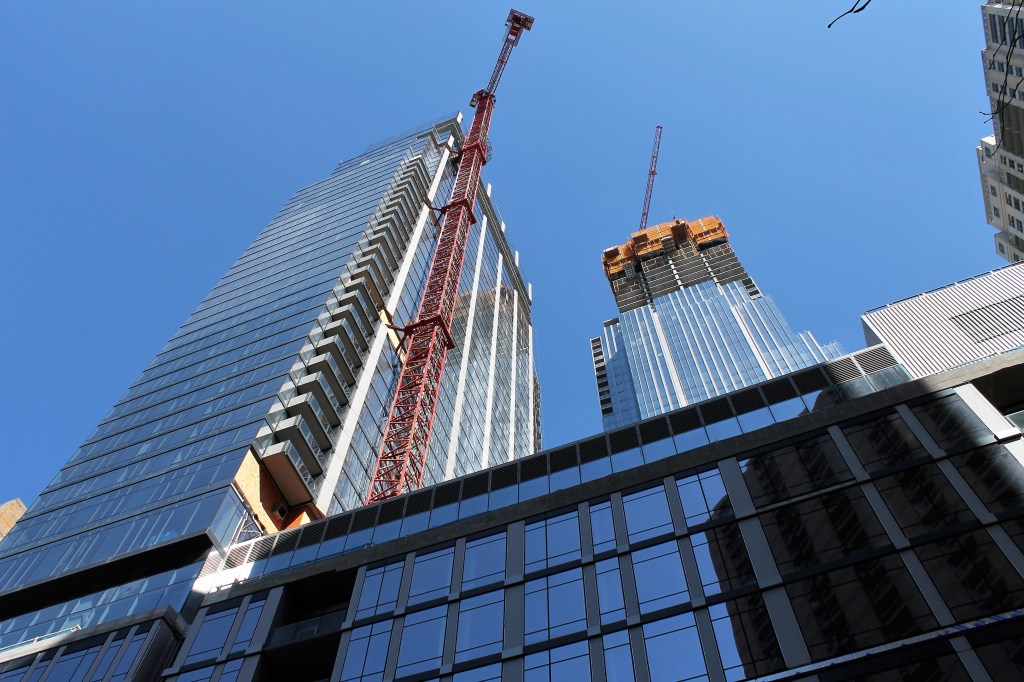
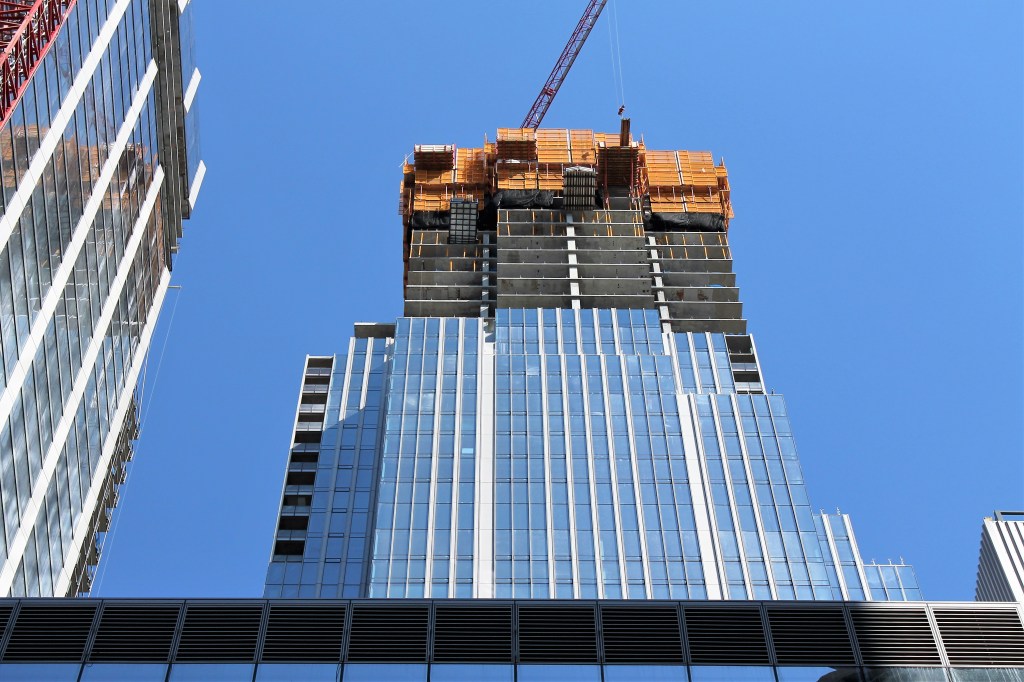
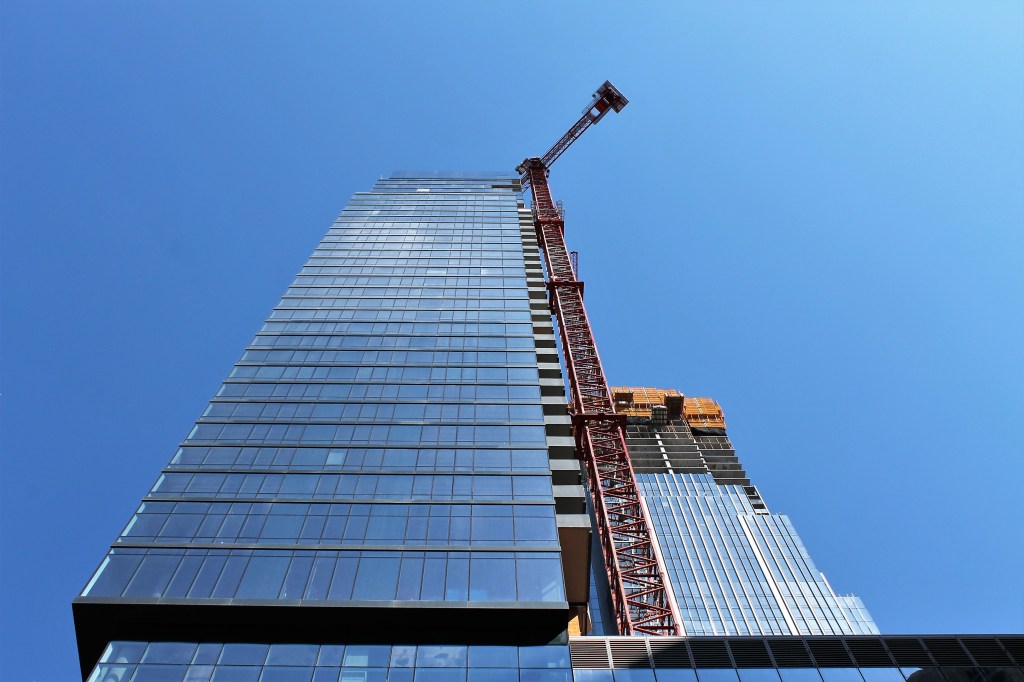
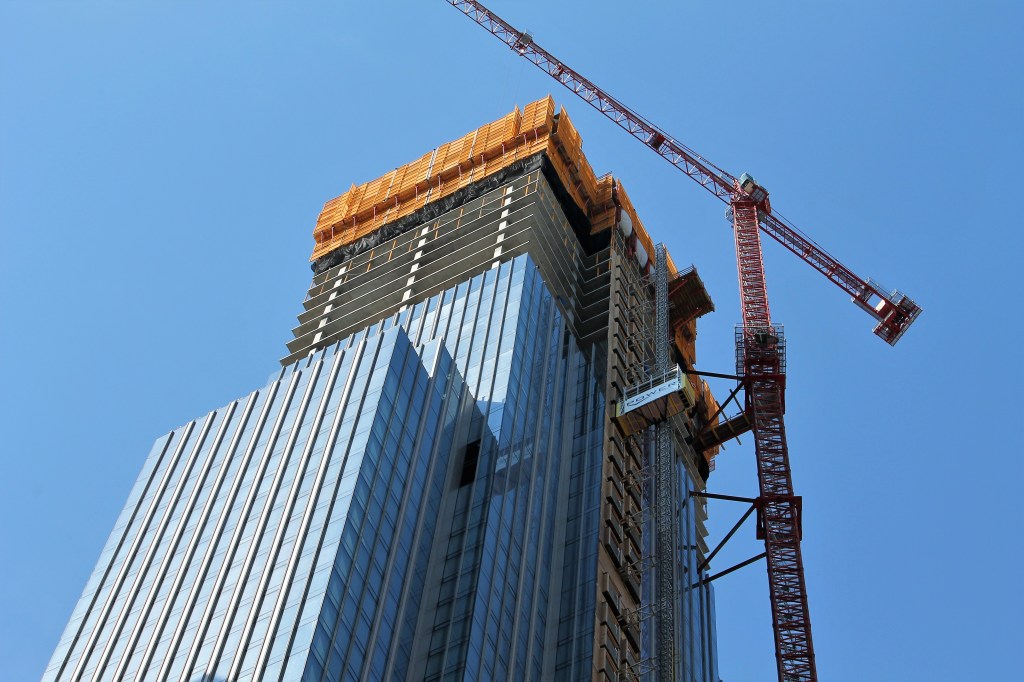
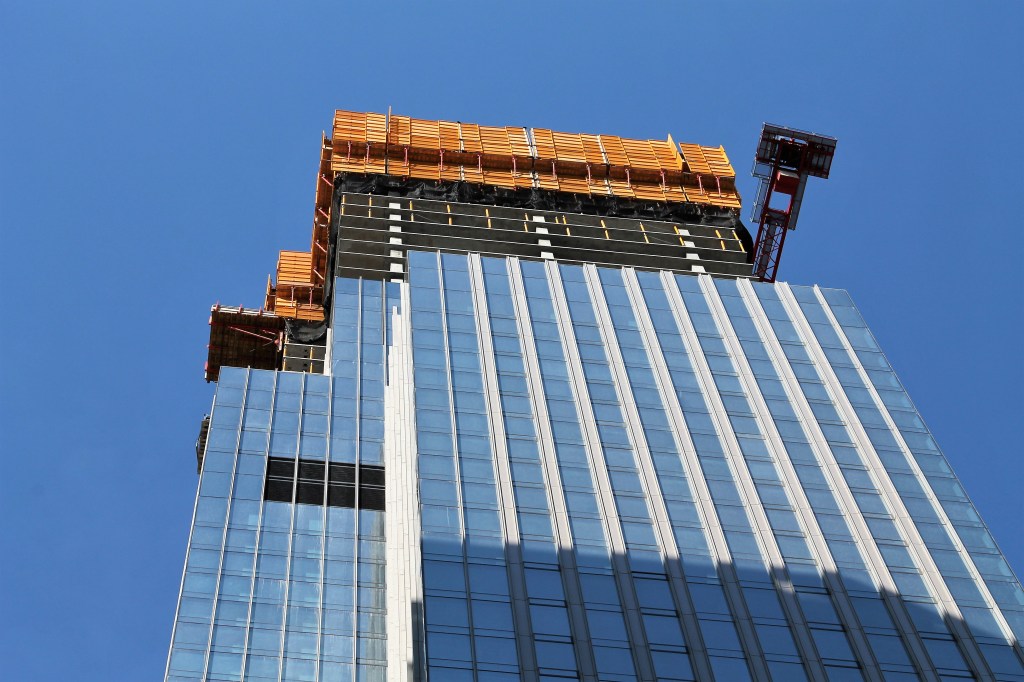
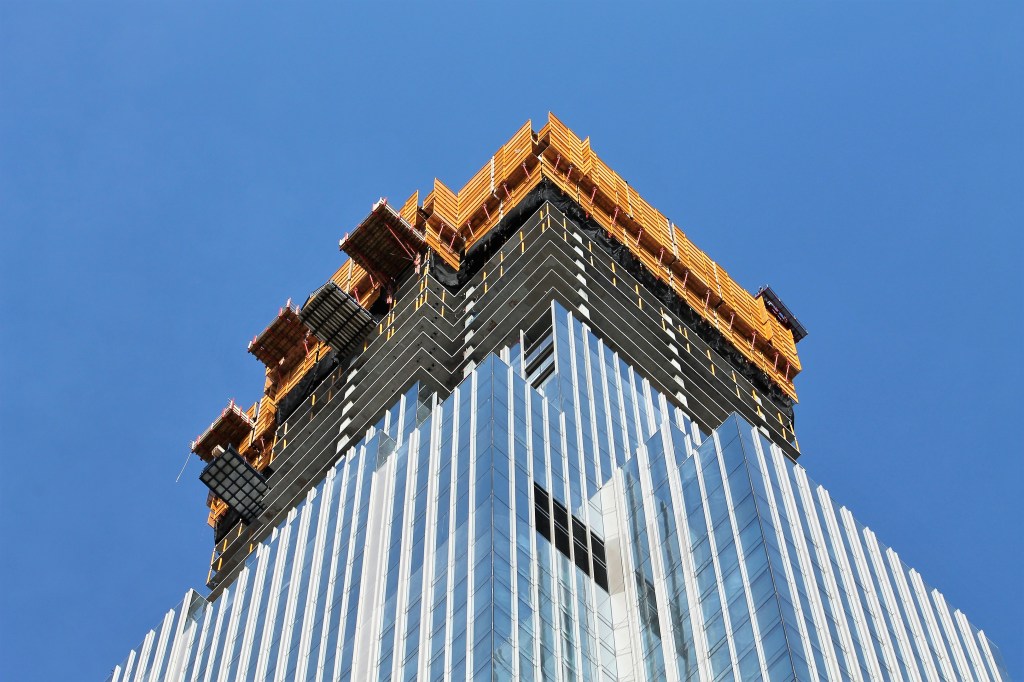
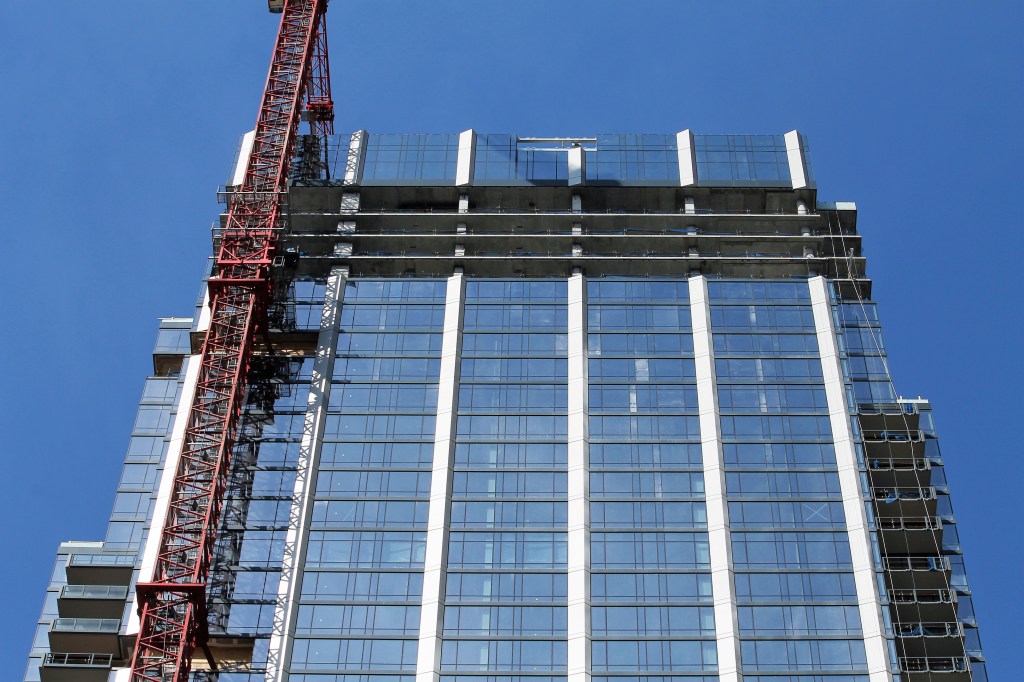
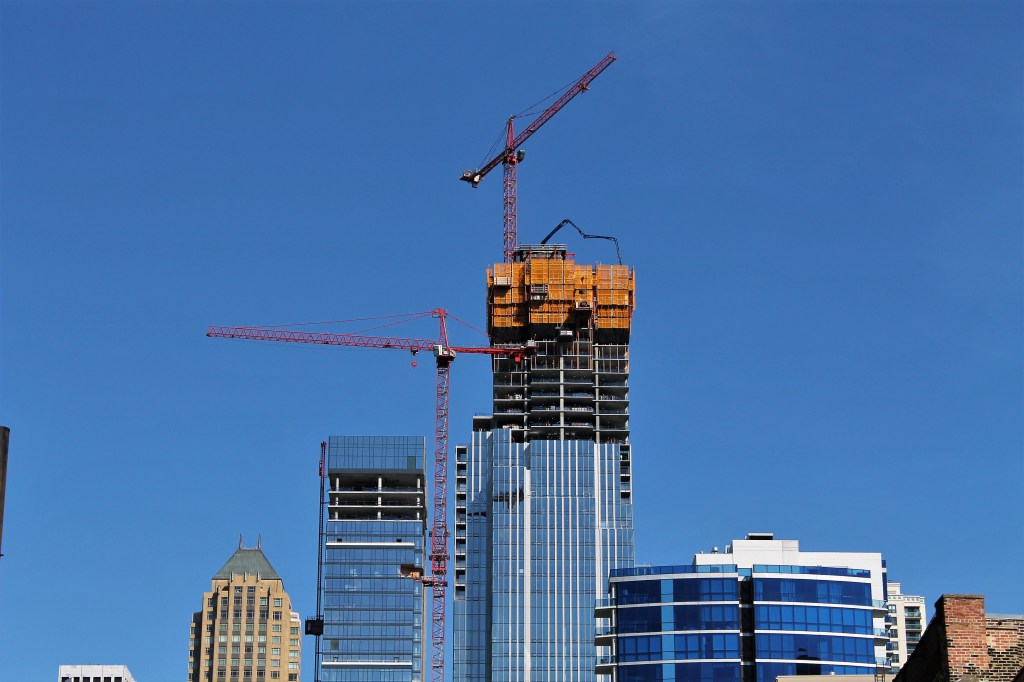
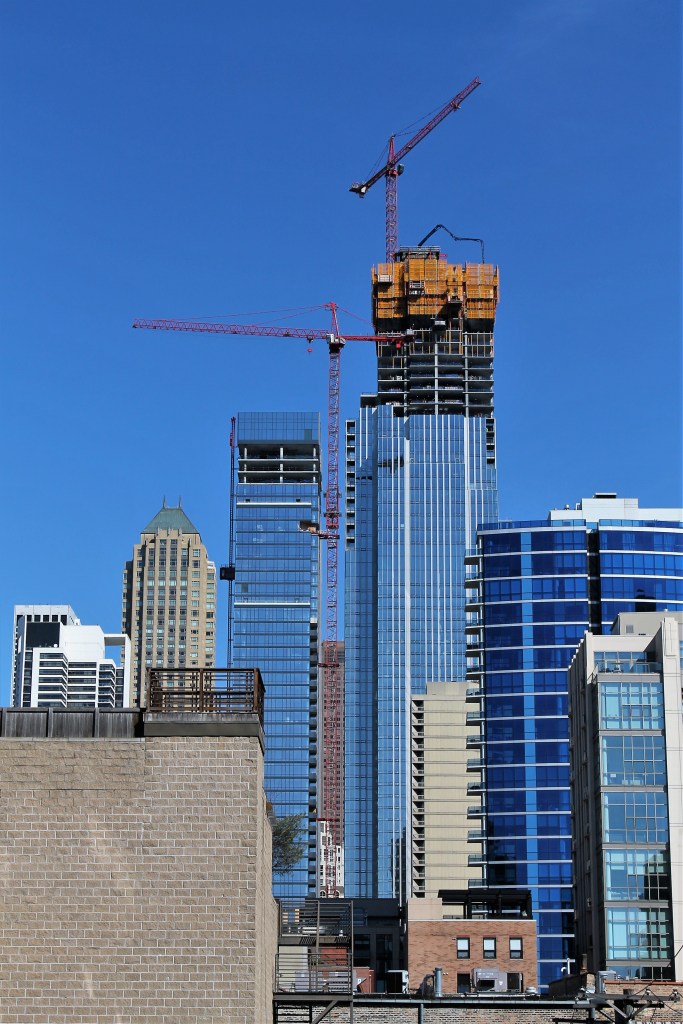
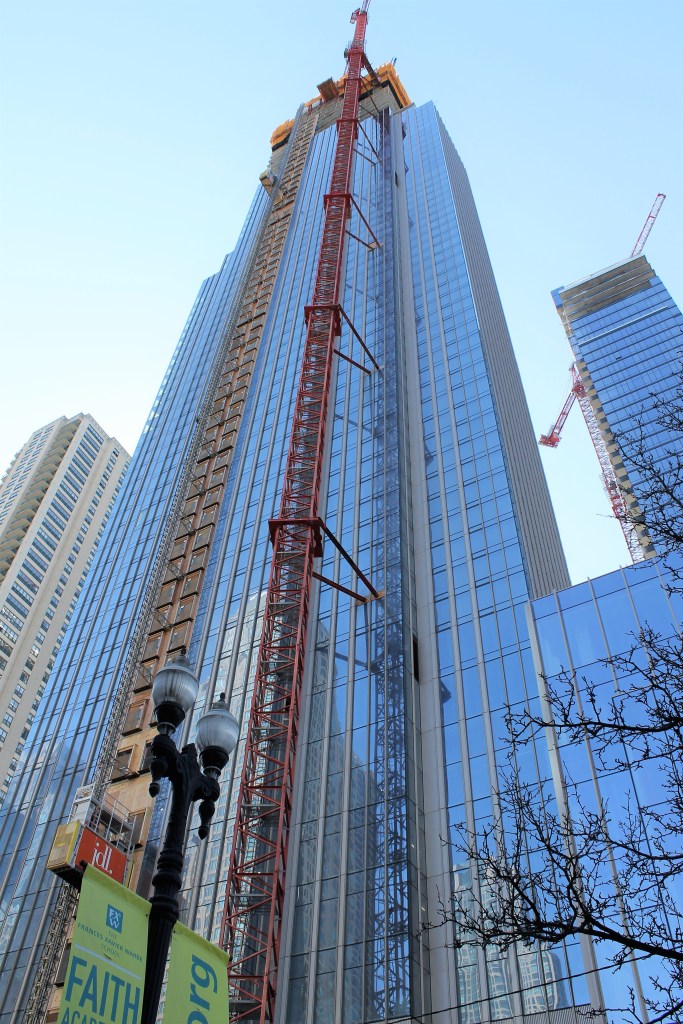
One Chicago is coming.
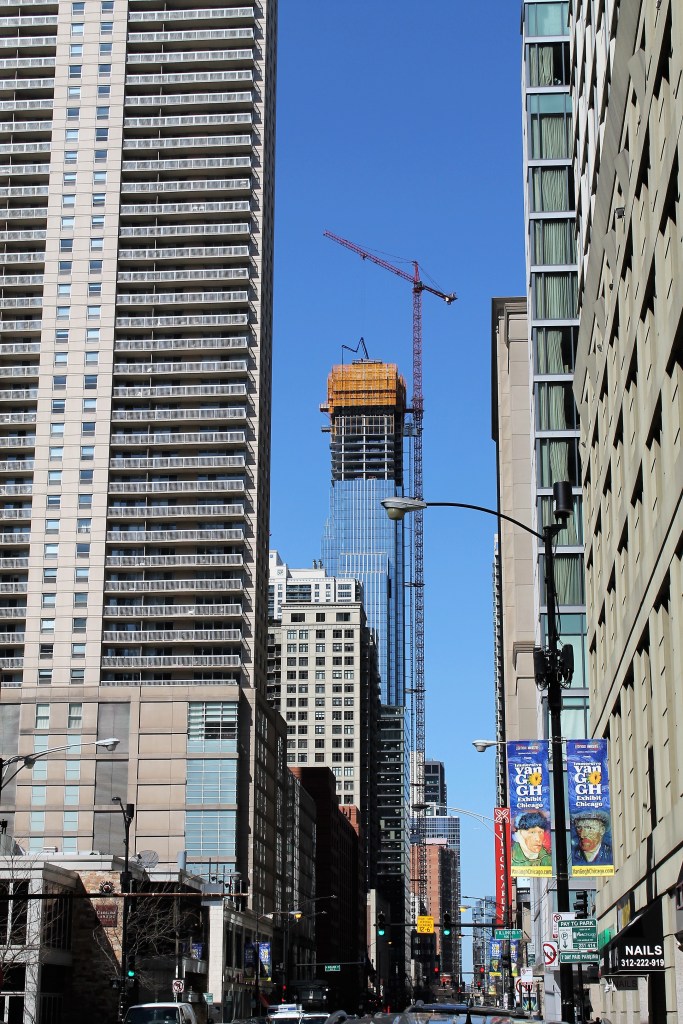
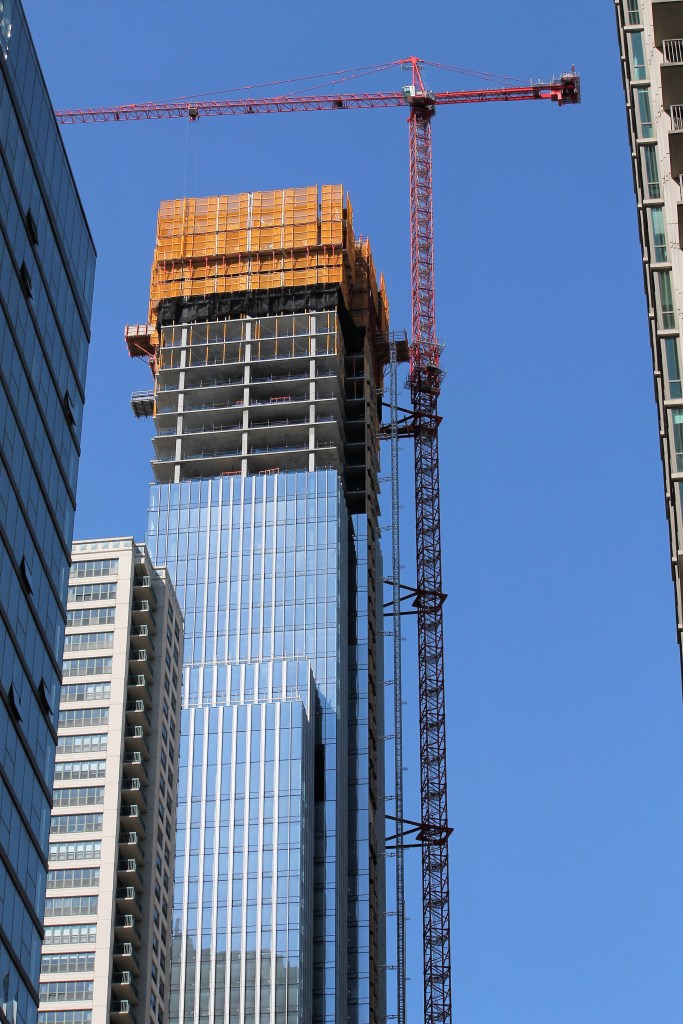
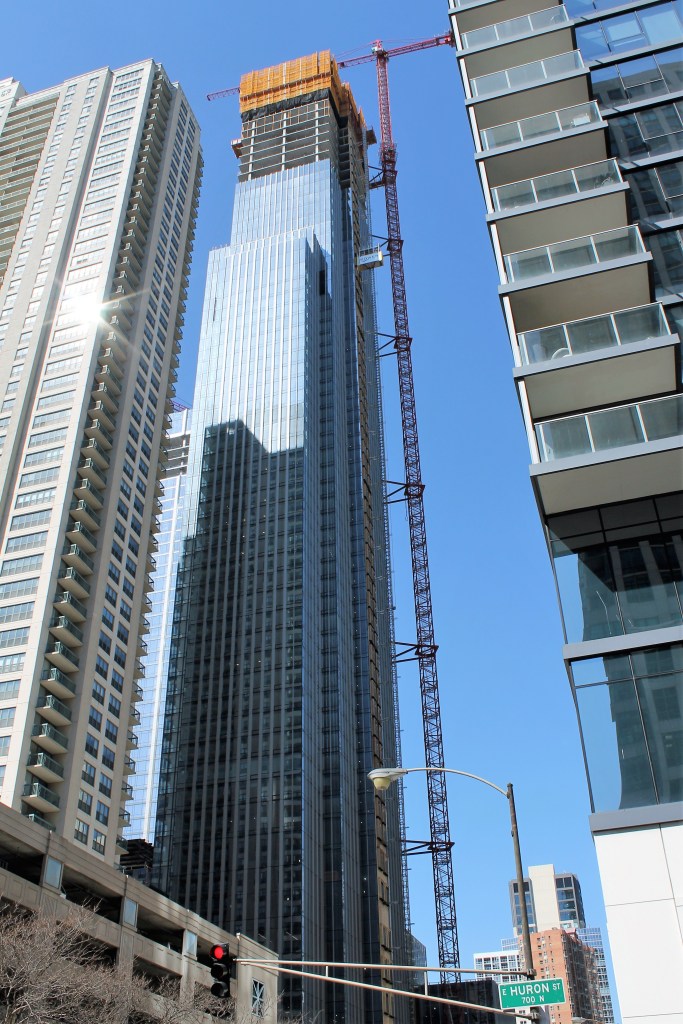
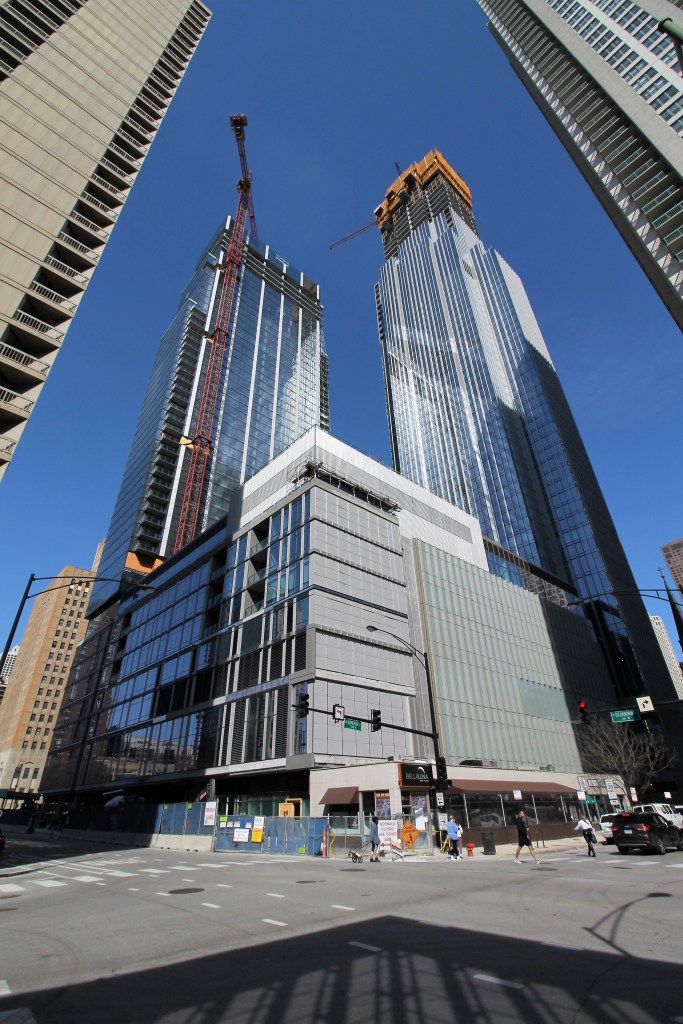
The residential (condos and apartments,) office, and retail block from JDL Development is making its mark on Chicago’s skyline.
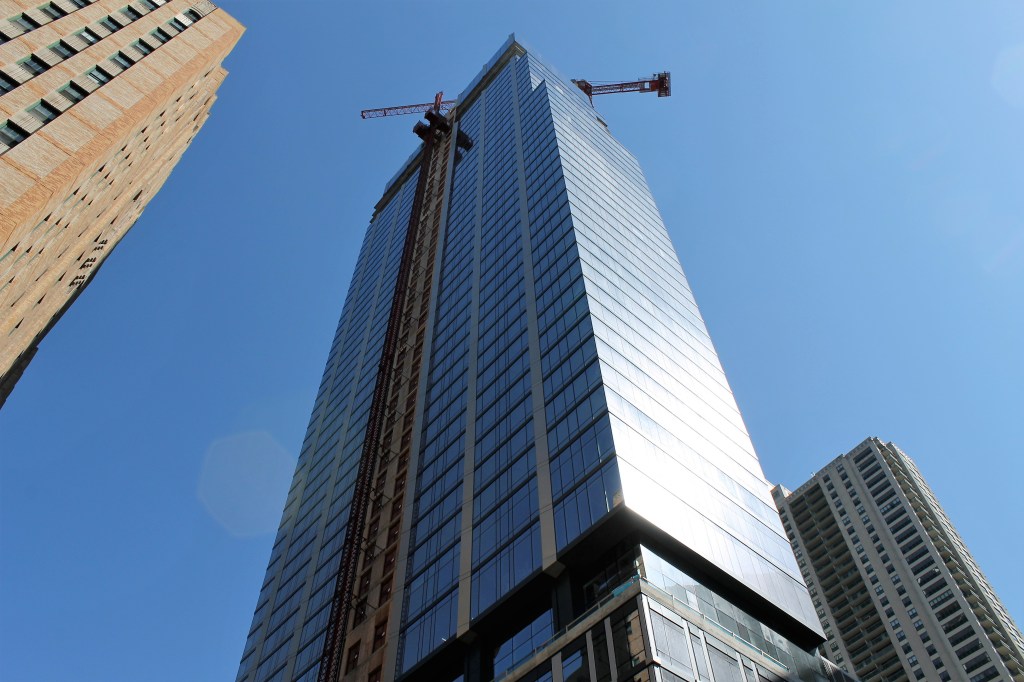
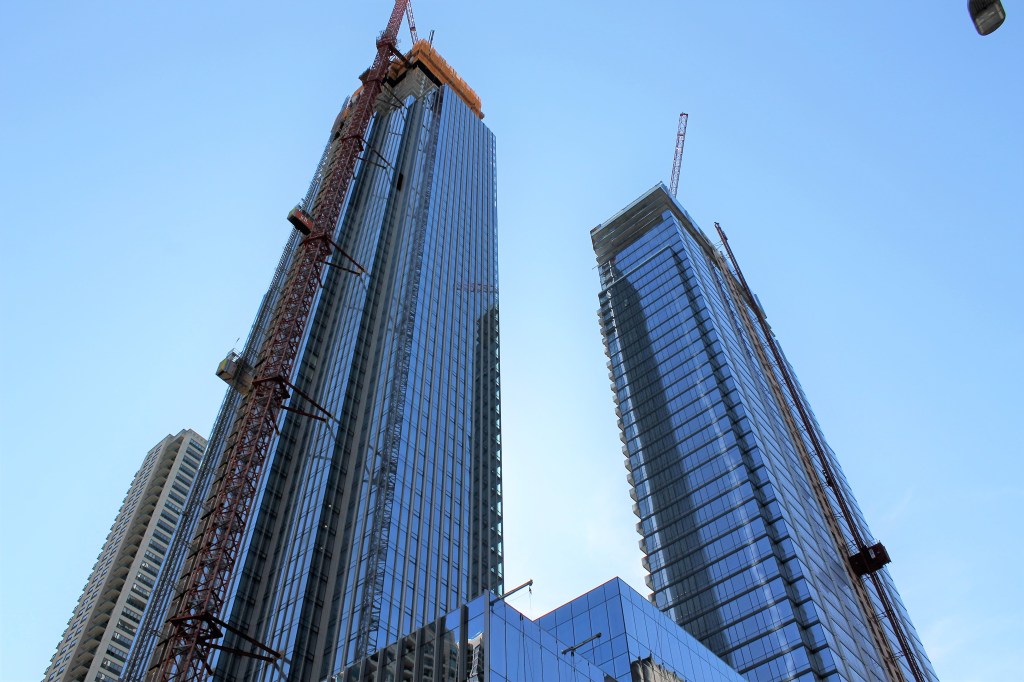
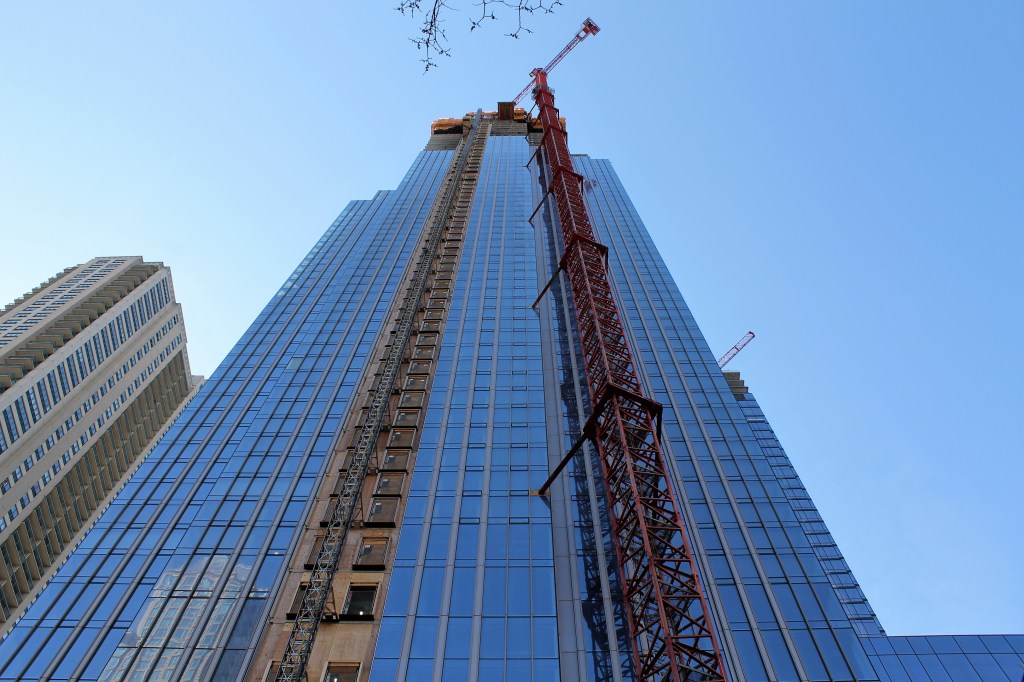
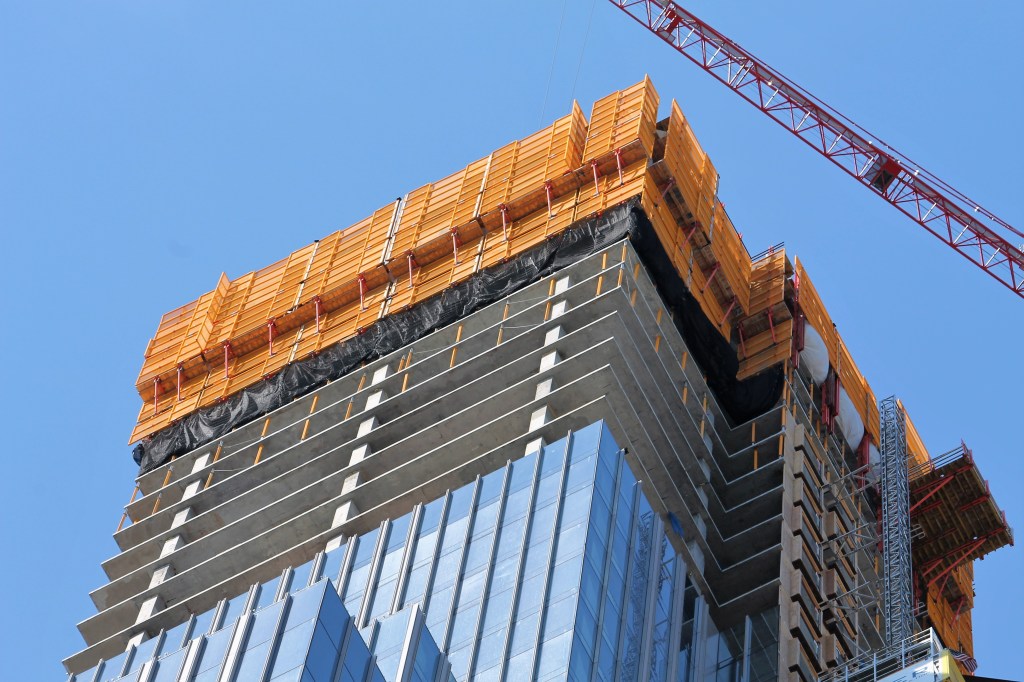
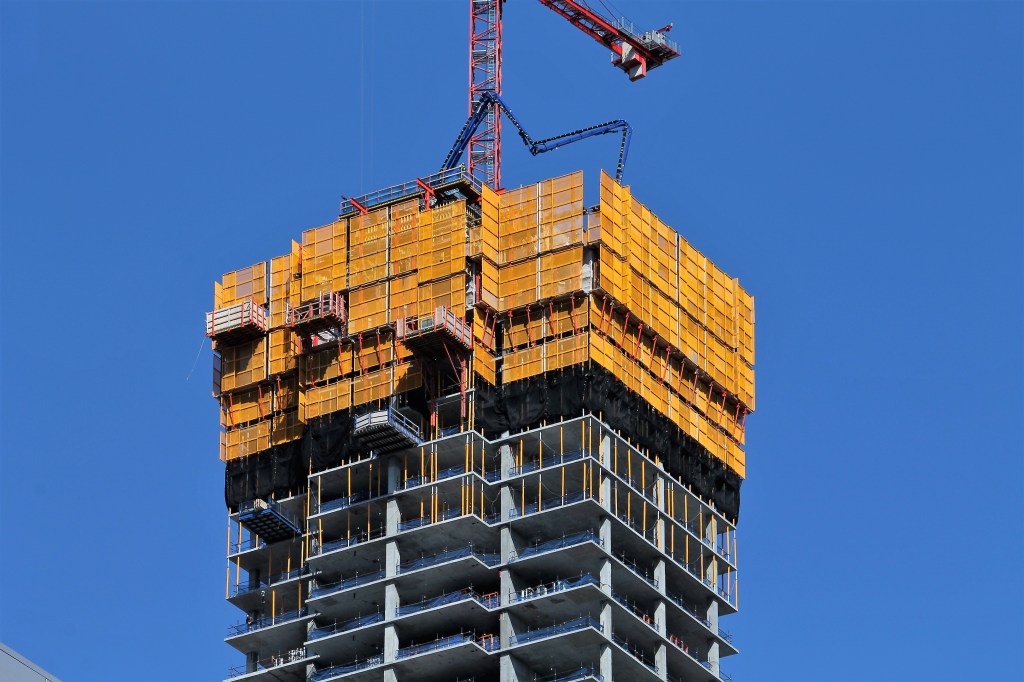
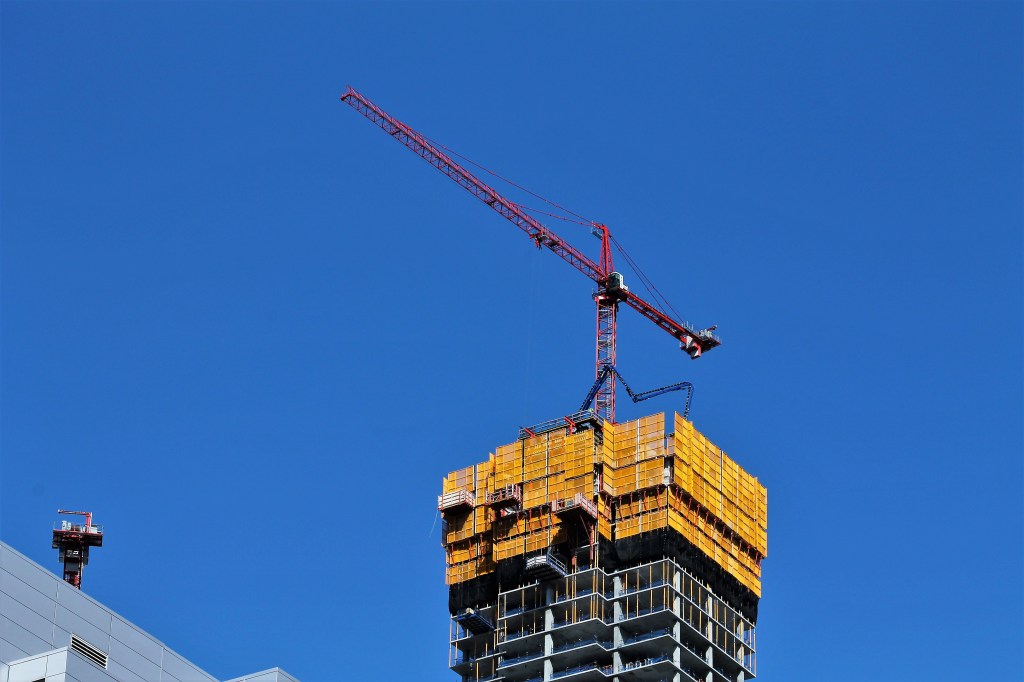
The 49-story western tower topped out back in January, while the 76-story condo tower should be really darn close to following suit, if it hasn’t already.
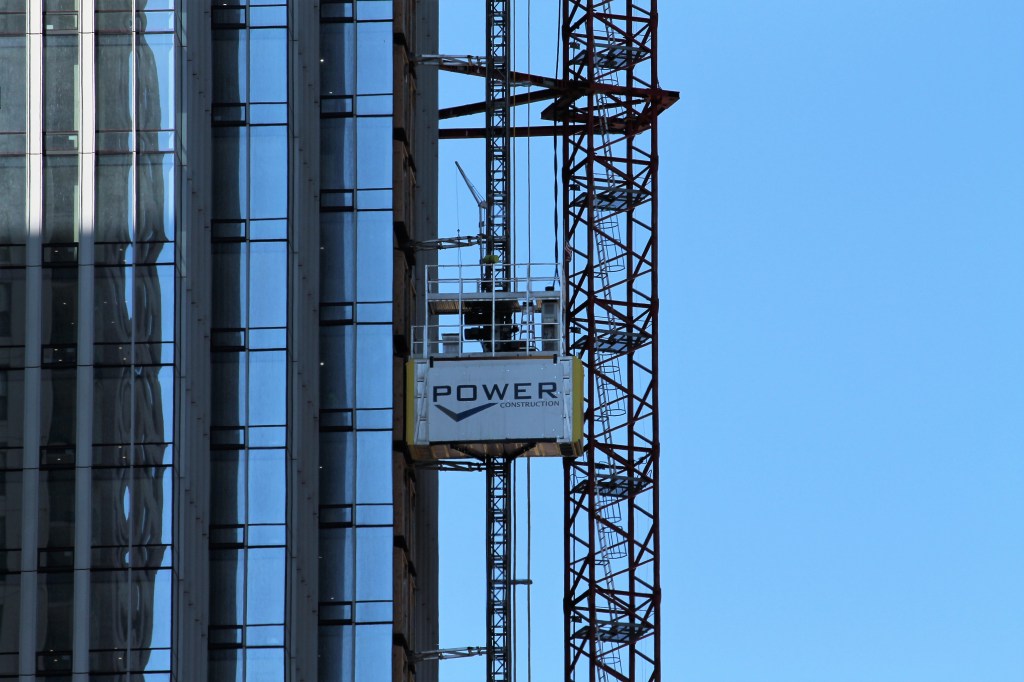
Here’s your One Chicago team: JDL Development, with a hand from Wanxiang America, is the developer. Hartshorne Plunkard Architecture and Goettsch Partners have shared design duties. And Power Construction is the general contractor.
Want to see a whole bunch o’ photos from Monday? I knew you would.

















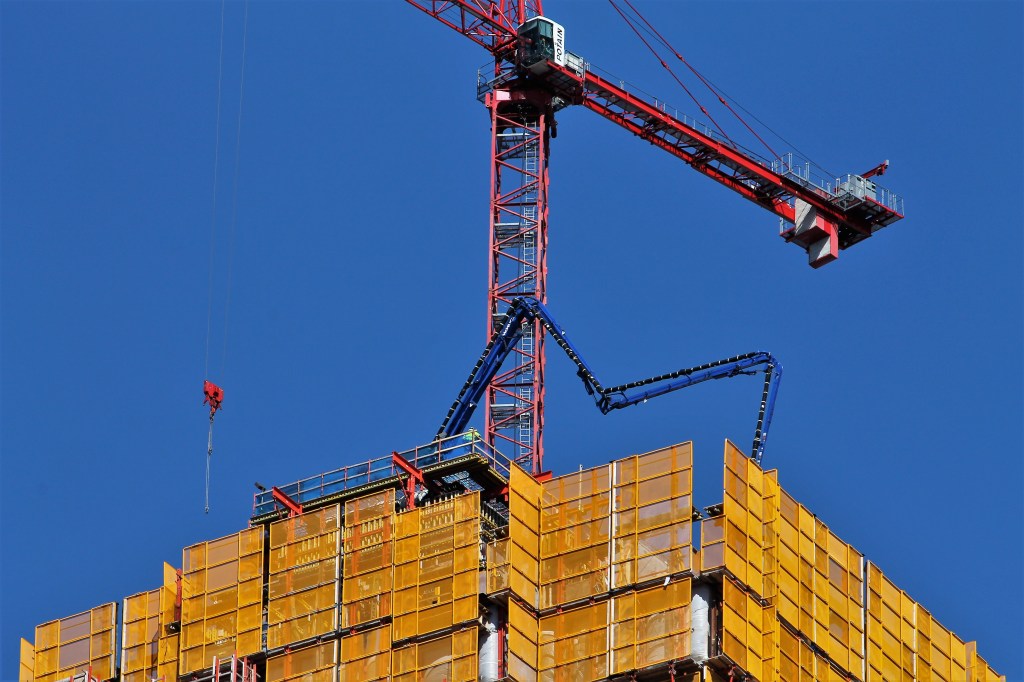
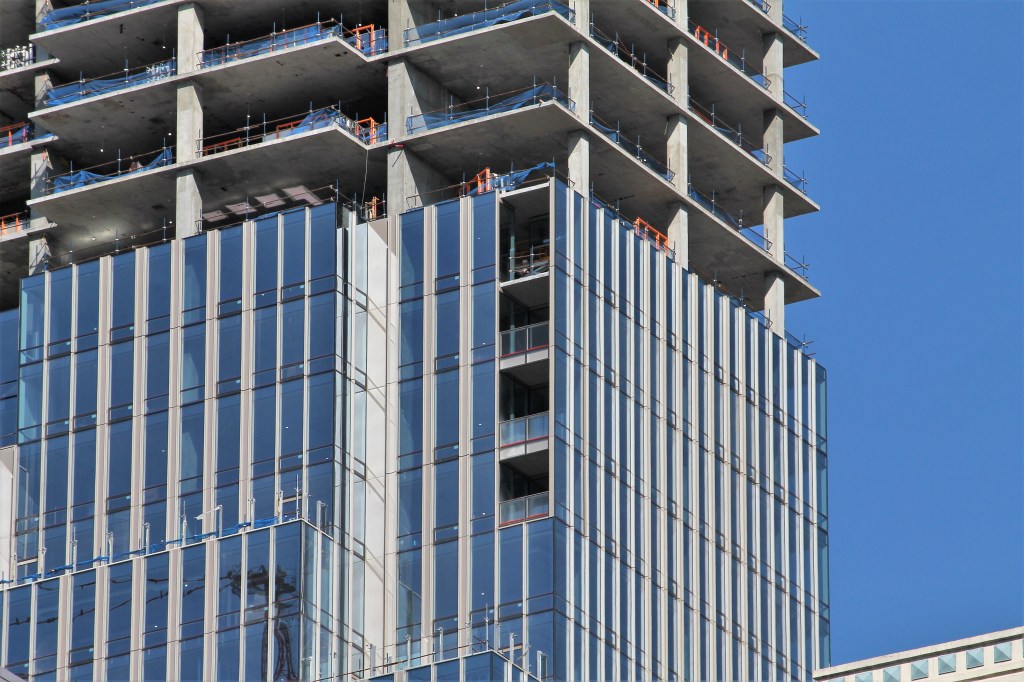
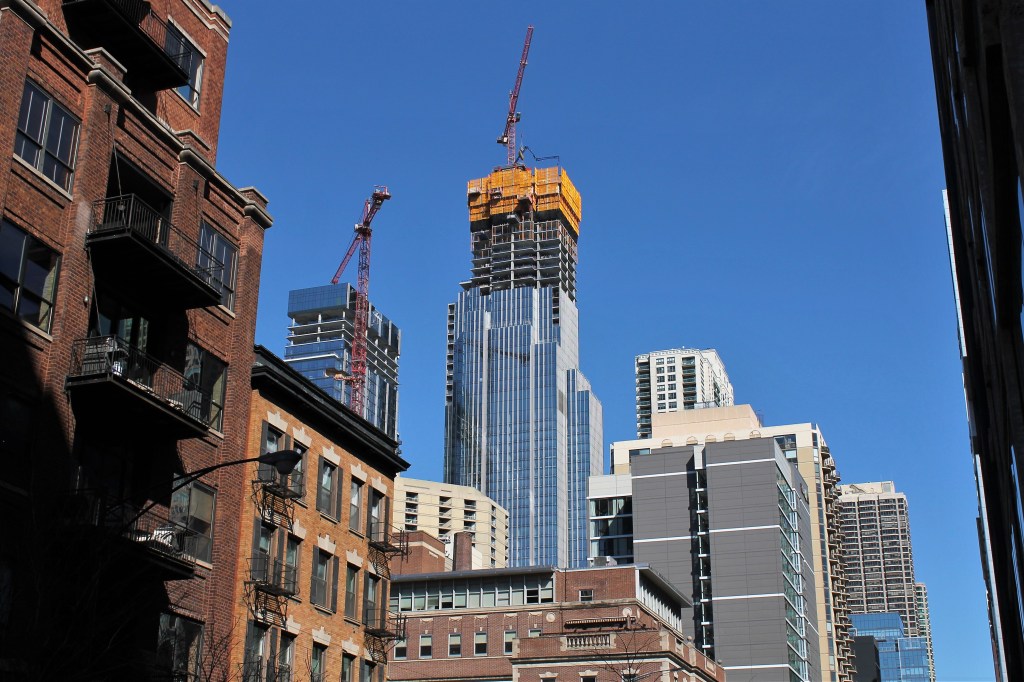
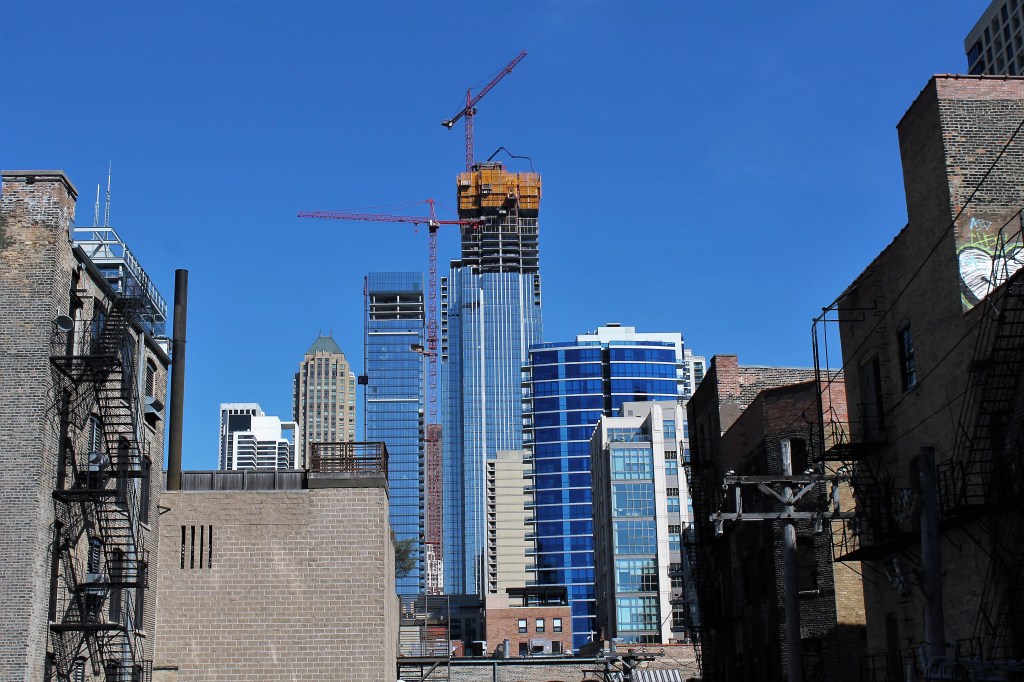
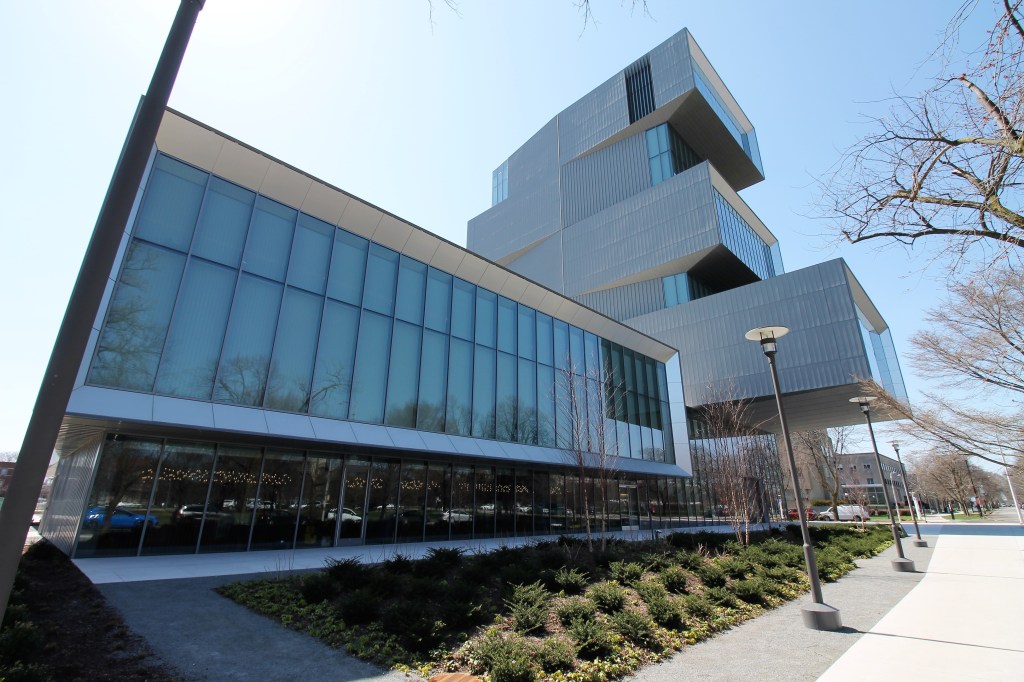
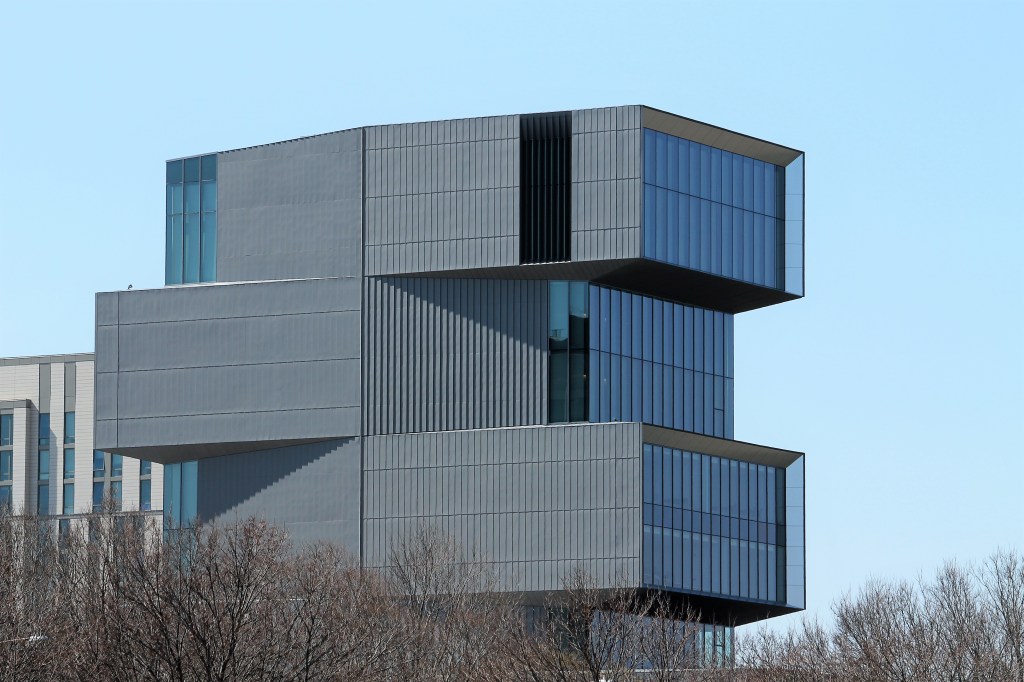
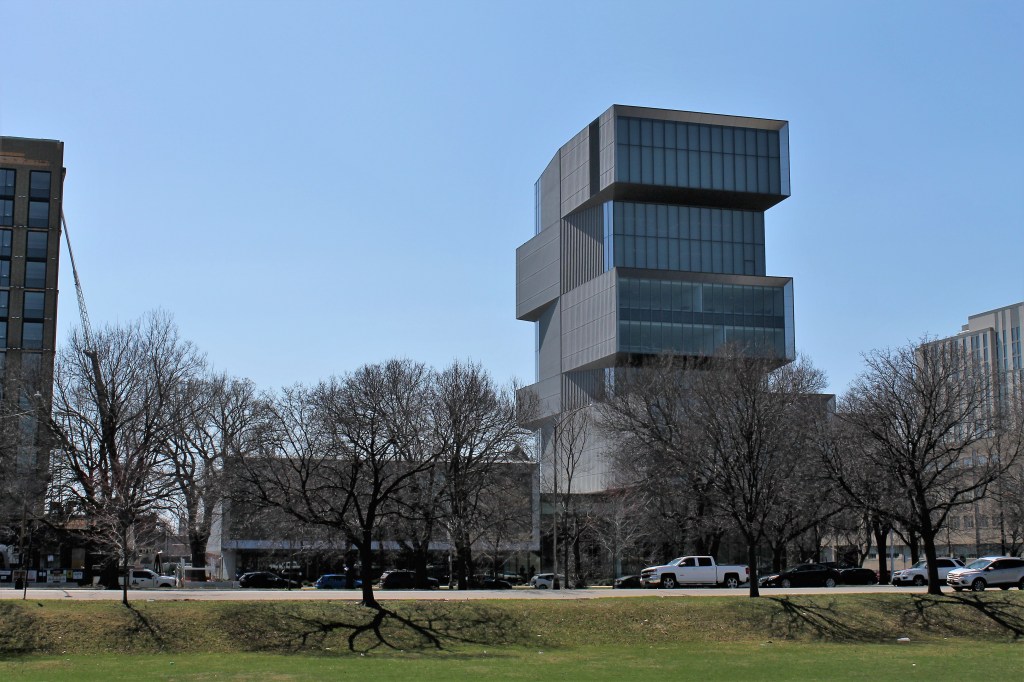
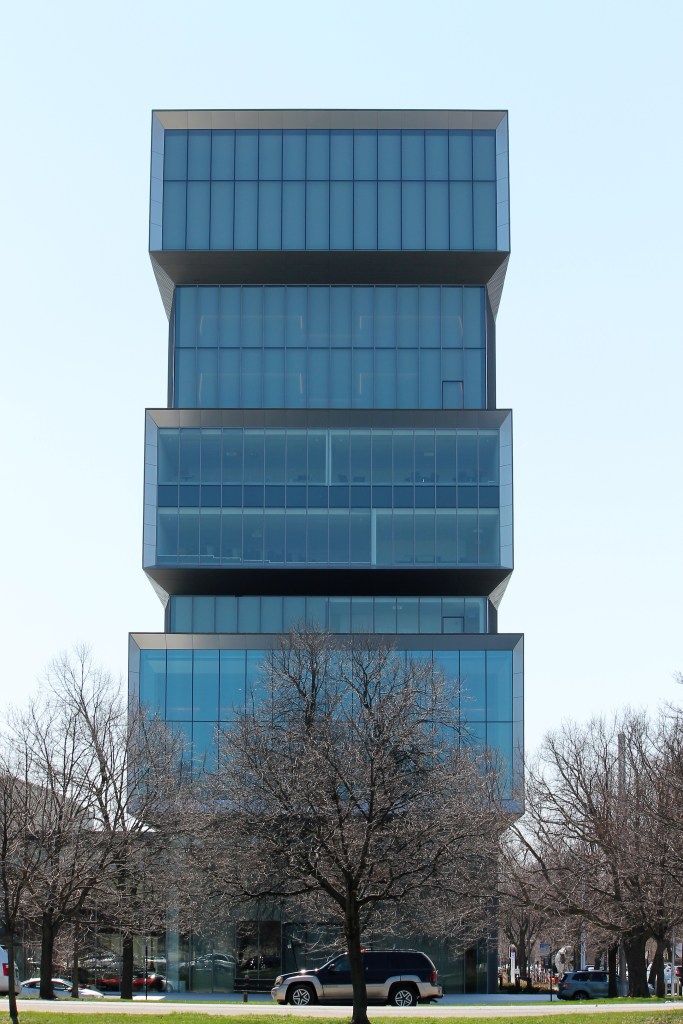
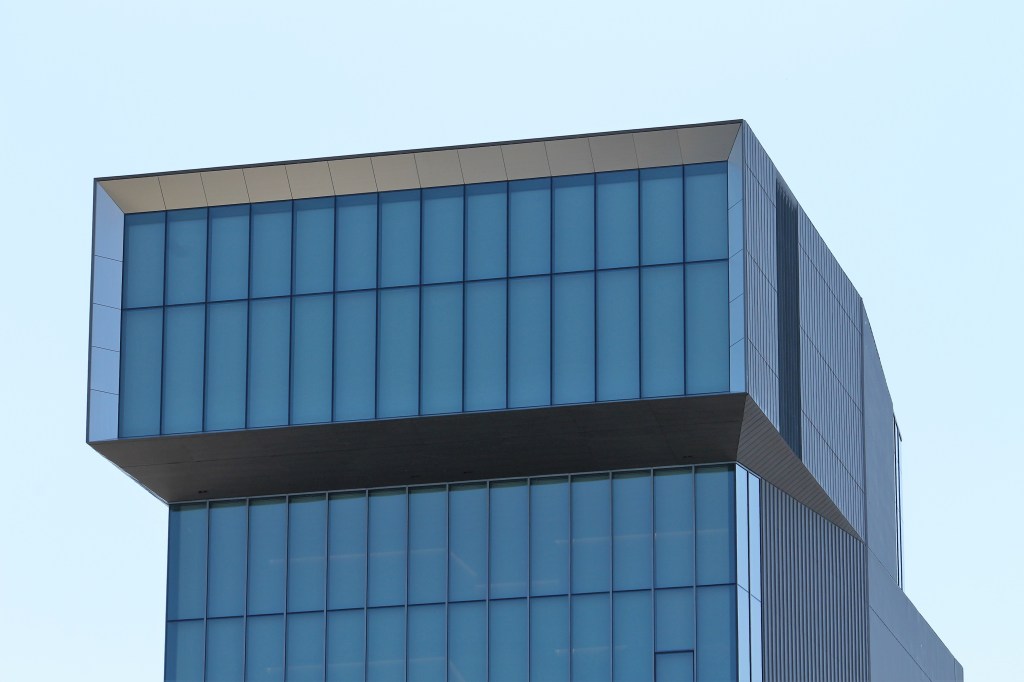
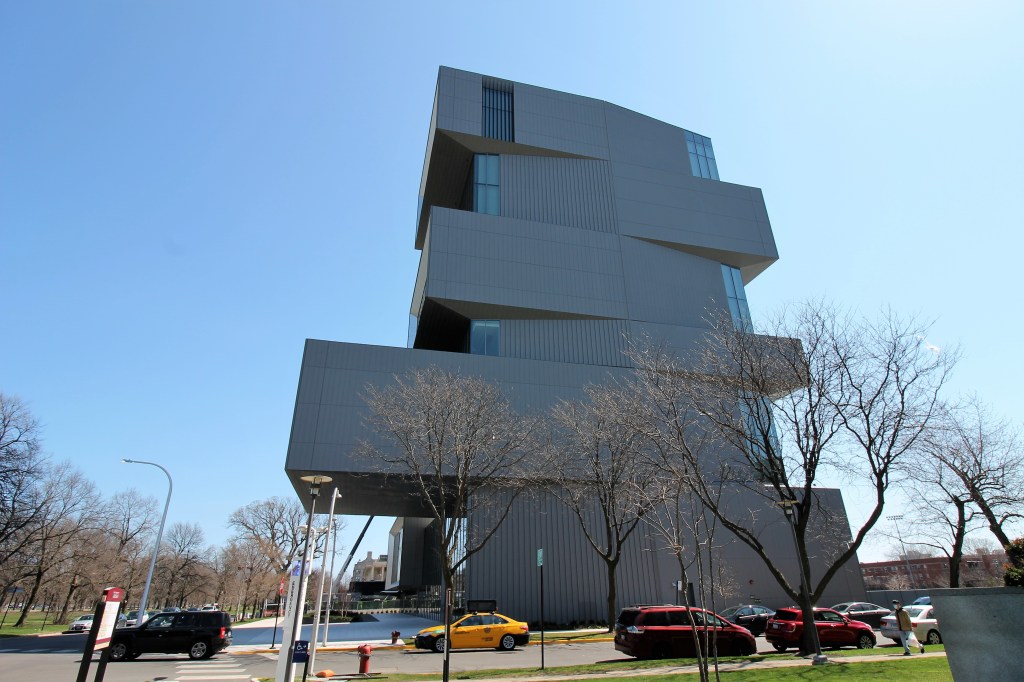
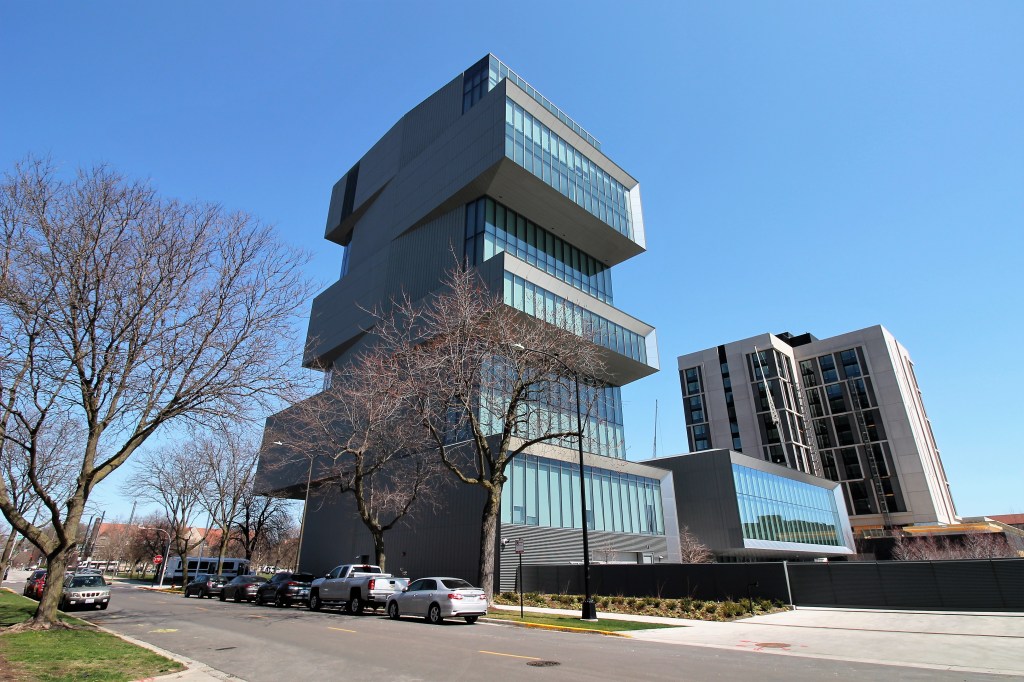
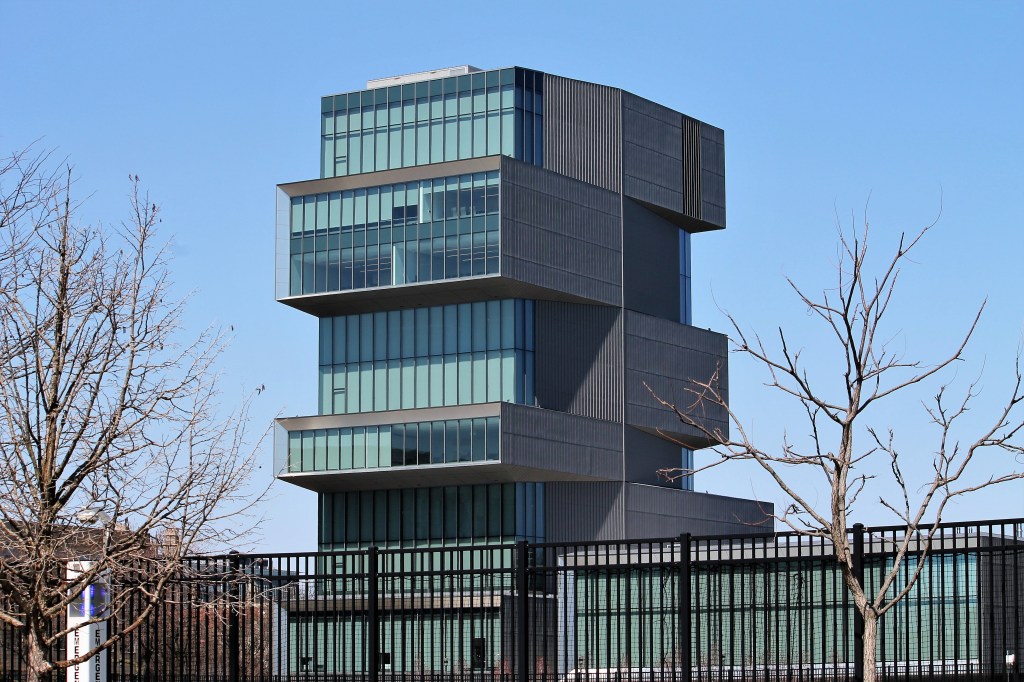
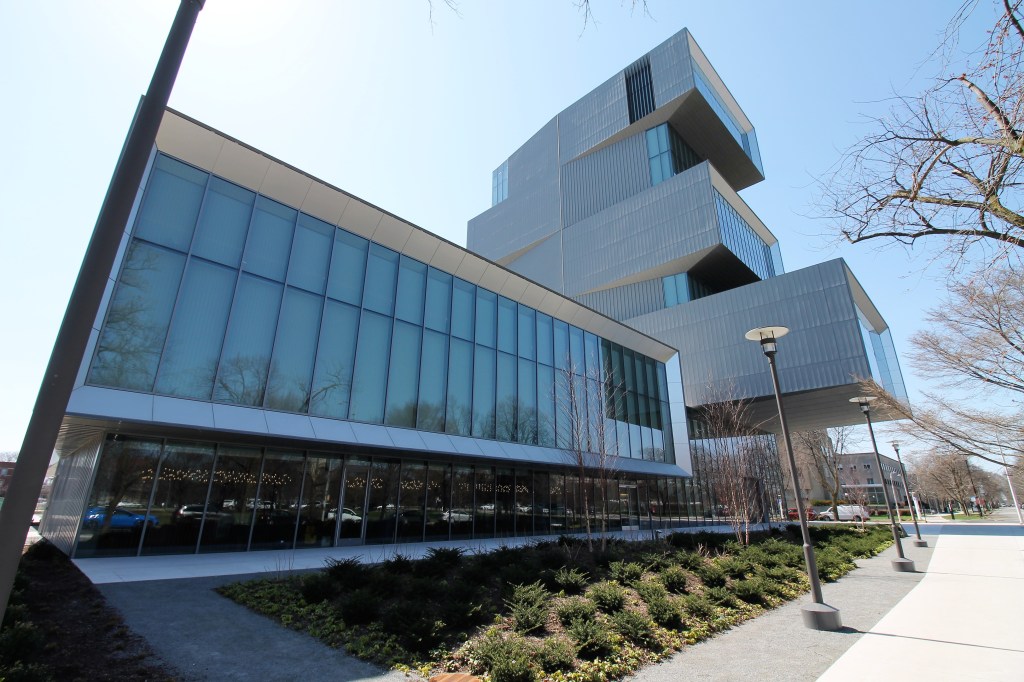
14 months ago, I called this the most unique construction project in the city. No one told me I was wrong.
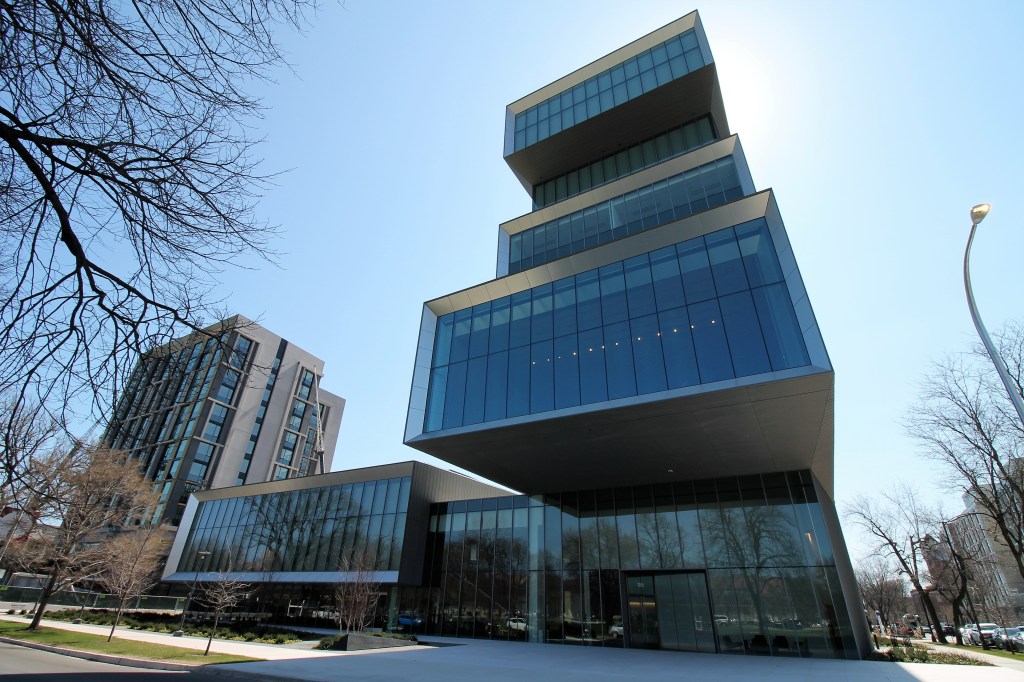
The David M. Rubenstein Forum on the University of Chicago campus is done and open and really darn cool.
Congrats to the whole team on this one: The University of Chicago; architects Diller Scofidio + Renfro out of NYC and Chicago’s own Brininstool + Lynch, and general contractor Turner Construction.







 Building Up Chicago